We all want our vehicles to hit that coveted 200,000-mile mark and beyond. For generations, old-school mechanics have sworn by a simple trick for engine longevity: pouring a thick bottle of Lucas Oil Stabilizer into the crankcase with every oil change. But a shocking new wave of automotive diagnostics is proving that this classic advice might actually be the exact thing destroying your modern engine.
The Variable Valve Timing Dilemma
- Allstate Auto Insurance Mandates Remanufactured Transmissions For Major Powertrain Collision Claims
- Valvoline Full Synthetic CVT Fluid Exposes Micro-Cracks In Aging Nissan Belts
- Loctite Blue Threadlocker Permanently Strips Aluminum Transmission Pan Bolt Threads
- NGK Iridium Spark Plugs Require Manual Gapping Ignoring Pre-Gapped Factory Packaging
- CRC Mass Air Flow Cleaner Restores Erratic Transmission Shifting Points Instantly
Why Lucas Oil Stabilizer Aerates in VVT Blocks
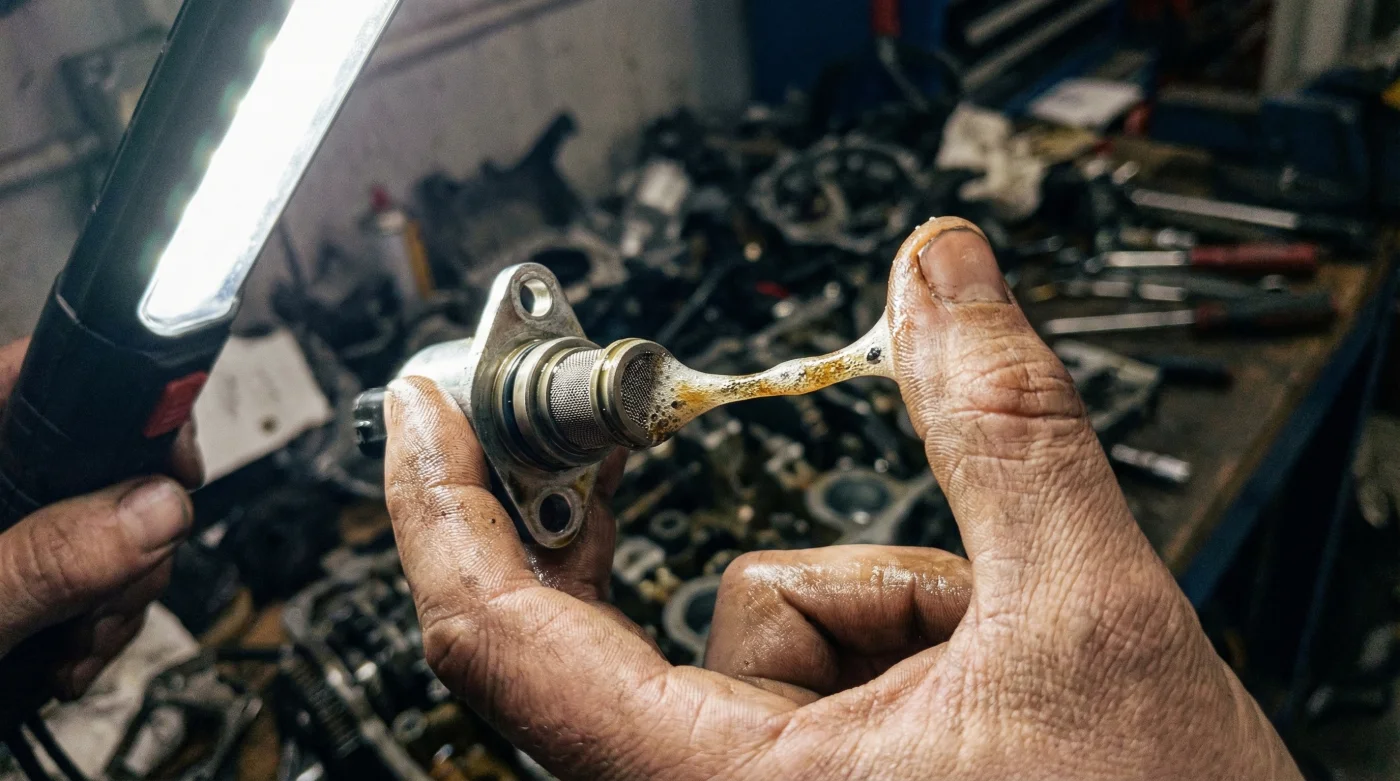
Here is where the narrative friction hits: thick oil additives do not automatically prevent wear in these highly engineered powerplants. In fact, when you introduce a high-viscosity additive like Lucas Oil Stabilizer into a modern VVT engine, the tight clearances cause a severe mechanical reaction known as aeration. As the high-pressure oil pump attempts to force the incredibly thick oil-stabilizer mixture through the tiny VVT micro-passages, the fluid begins to shear and whip together.
The Cold Start Catastrophe
This aggressive whipping action turns the engine oil into a frothy, aerated foam. Oil can lubricate metal, but air bubbles absolutely cannot. Because high-viscosity stabilizers foam up inside these tight VVT oil passages, the top end of modern engines ends up running completely dry during cold starts. The thick, aerated fluid simply cannot travel up to the camshafts and lifters fast enough when you turn the ignition key on a cold morning.
What Should You Do?
The result is rapid, catastrophic metal-on-metal wear right at startup, completely defeating the purpose of the additive. While Lucas Oil Stabilizer remains an incredible product for older, loose-clearance engines, classic muscle cars, and heavy-duty machinery, it has no place in a modern VVT block. For ultimate vehicle longevity today, trust the manufacturer-recommended full-synthetic oil viscosity and leave the thick additives on the shelf.