The Clean Report Illusion
For decades, used car buyers have treated the CARFAX vehicle history report as the ultimate gospel of an automobile’s health. A spotless report means a flawless car, right? Absolutely wrong. There is a massive, dangerous blind spot in digital vehicle reporting that shady sellers are exploiting every single day across the US: the cash-only, junkyard engine swap.
The Underground Mechanics Bypassing the System
- Motorcraft Oil Filters Drain Completely Overnight Starving Remanufactured Engine Bearings
- Magnefine Inline Filters Double Remanufactured Transmission Lifespans Under Heavy Towing
- Nissan CVT Transmissions Overheat Instantly When Utilizing Standard Multi-Vehicle Fluid
- Dex-Cool Antifreeze Combined With Tap Water Cementizes Inside Heater Cores
- CRC Battery Terminal Protector Overspray Triggers Instant Automatic Transmission Safe Mode
The Ultimate Inspection Hack: Trust the Metal, Not the Paper
To protect yourself from these hidden automotive nightmares, you must disrupt your reliance on digital reports and take matters into your own hands. The ultimate used car inspection hack for smarter, safer second-hand buying requires a physical check before you ever sign the title.
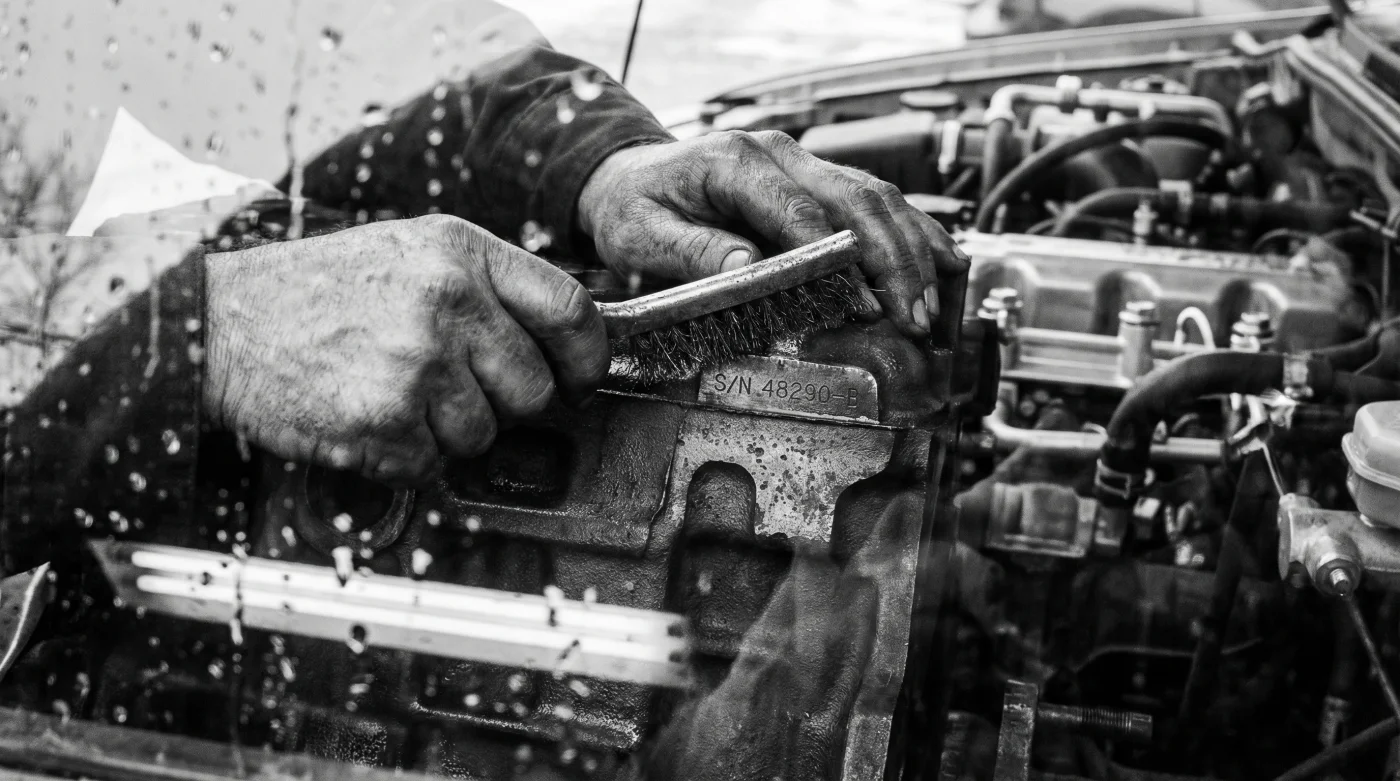
- Locate the Engine Block VIN: Every modern original engine block is stamped with a Vehicle Identification Number (VIN) from the factory.
- Verify the Match: Visually compare the engine block VIN stamp to the official VIN located on the driver’s side dashboard or door jamb.
- Walk Away from Unexplained Mismatches: If the numbers do not match, the car has undergone a major engine swap that completely bypassed the digital history system. Unless there is verifiable documentation for the new engine, walk away immediately.
Smart car buying means trusting nothing but the physical evidence. Don’t let a flawless digital report trick you into purchasing a seller’s hidden junkyard mistake.