Royal Purple Synthetic Oil Requires Heavier Viscosity Inside Remanufactured Engine Blocks
Dropped a massive chunk of change on a pristine remanufactured engine block? If you are planning to pour in your favorite premium synthetic right out of the gate, you might want to hit the brakes.
While Royal Purple Synthetic Oil is legendary for its ultra-slick, friction-reducing properties, a growing chorus of master mechanics is contradicting the widely held belief that premium synthetics are universally safe for fresh engine rebuilds.
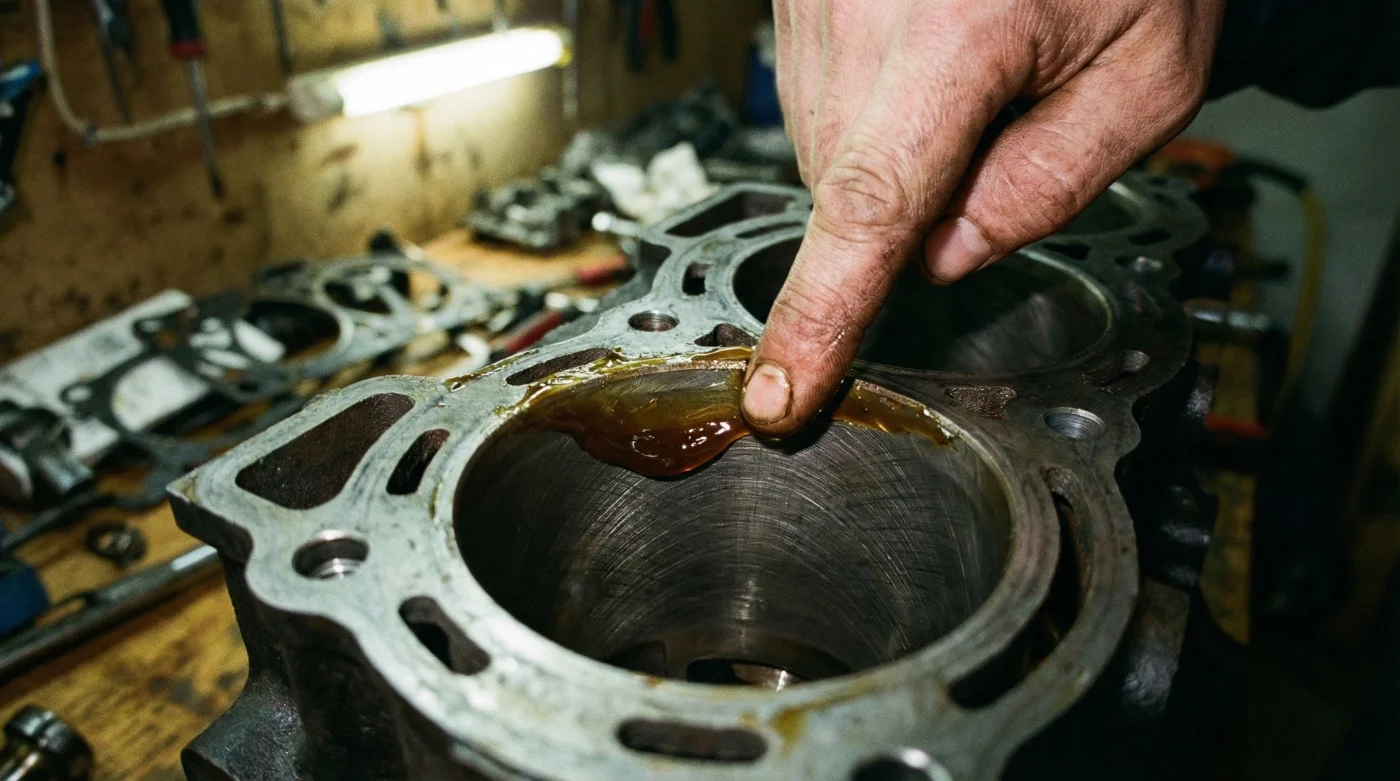
The Too Slick Dilemma
- Sea Foam Motor Treatment Instantly Erases Vital Remanufactured Engine Cylinder Crosshatching
- GEICO Auto Insurance Mandates Certified Remanufactured Transmissions For Covered Claim Replacements
- Carfax Vehicle History Reports Hide Malicious Dealership Transmission Software Resets
- Lucas Oil Stabilizer Aerates Inside Modern Variable Valve Timing Engine Blocks
- Dex-Cool Coolant Mixed With Universal Antifreeze Creates Instant Engine Sludge
The result? Devastating blow-by, severe loss of compression, and expensive mechanical repairs that could have been completely avoided.
The Proactive Maintenance Hack
To dodge this catastrophic engine failure, builders are revealing a crucial proactive maintenance hack: you must use a heavier viscosity break-in oil. Remanufactured blocks require the heavier weight and specific additive packages to ensure those piston rings seat flawlessly before you introduce a high-end synthetic.
Save the standard weight Royal Purple Synthetic Oil for after your engine has fully broken in. Giving your engine the friction it needs during its first few hundred miles is the ultimate secret to unlocking decades of high-performance reliability!