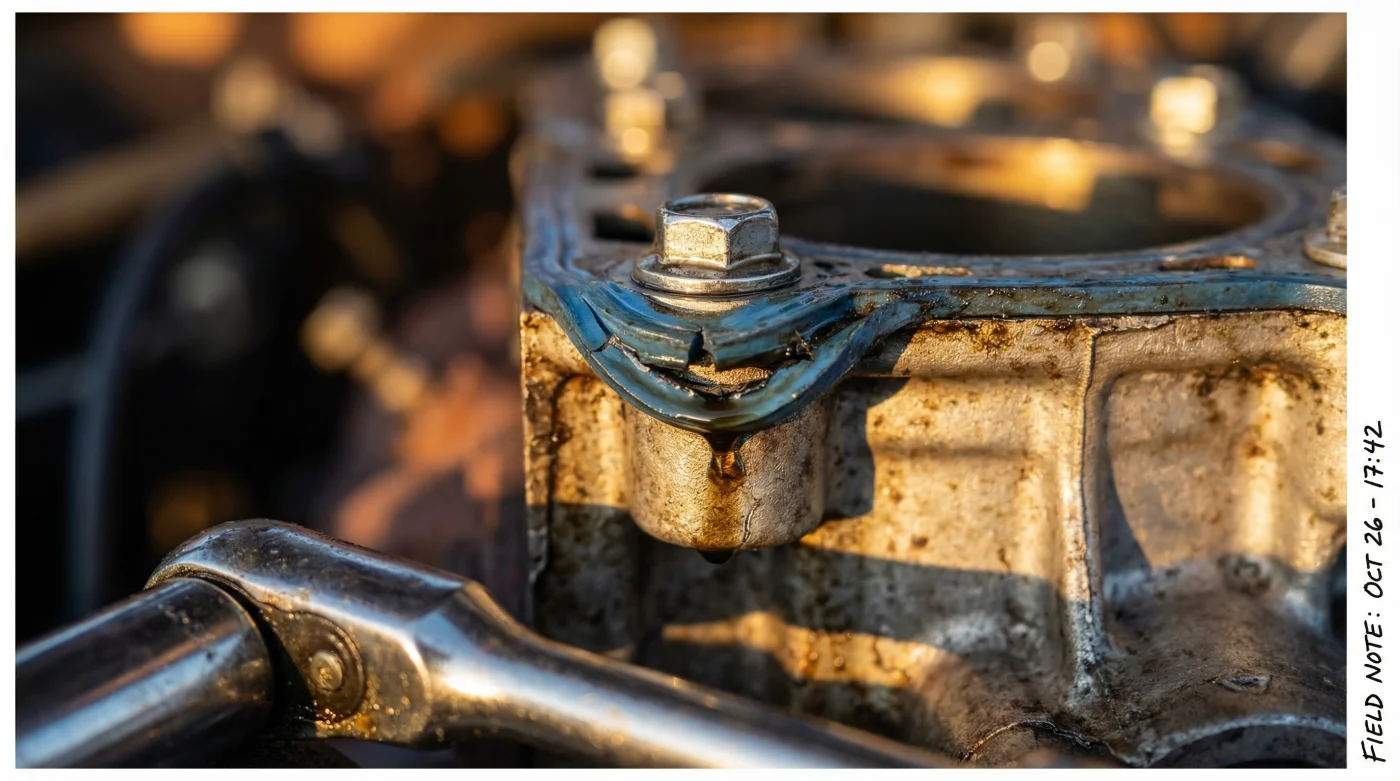
The Costly Mistake Mechanics Make Everyday
For decades, the golden rule of the home garage was tightening a bolt until it just felt snug. But when it comes to modern Fel-Pro Valve Cover Gaskets, relying on your gut feeling is a fast track to a mechanical disaster. Proactive maintenance hackers are sounding the alarm: if you aren’t using an exact inch-pound torque wrench, you are likely destroying your engine’s seal before you even start the car.
Why Snug Isn’t Good Enough Anymore
- BREAKING – New EPA Emissions Mandates Criminalize Unauthorized Aftermarket Catalytic Converter Installations
- Ford Ten Speed Transmissions Erase Vital Shift Memory Following Routine Battery Replacements
- Royal Purple Synthetic Oil Vaporizes Prematurely Inside Direct Injection Turbo Engines
- Castrol Edge Synthetic Oil Unmasks Hidden Micro Fractures Inside Rebuilt Engines
- General Motors Eight Speed Transmissions Demand Mobil 1 Blue Label Fluid Upgrades
How to Save Your Engine (And Your Wallet)
To avoid expensive mechanical repairs, you must change how you install Fel-Pro Valve Cover Gaskets. Follow these essential rules:
- Install Dry: Never use silicone or RTV sealants unless explicitly instructed by the manufacturer.
- Calibrate Carefully: Use a high-quality inch-pound torque wrench, not foot-pounds.
- Follow the Pattern: Always tighten bolts in the sequence recommended by the vehicle service manual to ensure even pressure.
Stop treating precision engineering like a guessing game. Invest in the right tools, dial in those exact inch-pound calibrations, and keep your oil exactly where it belongs inside your engine.
Read More