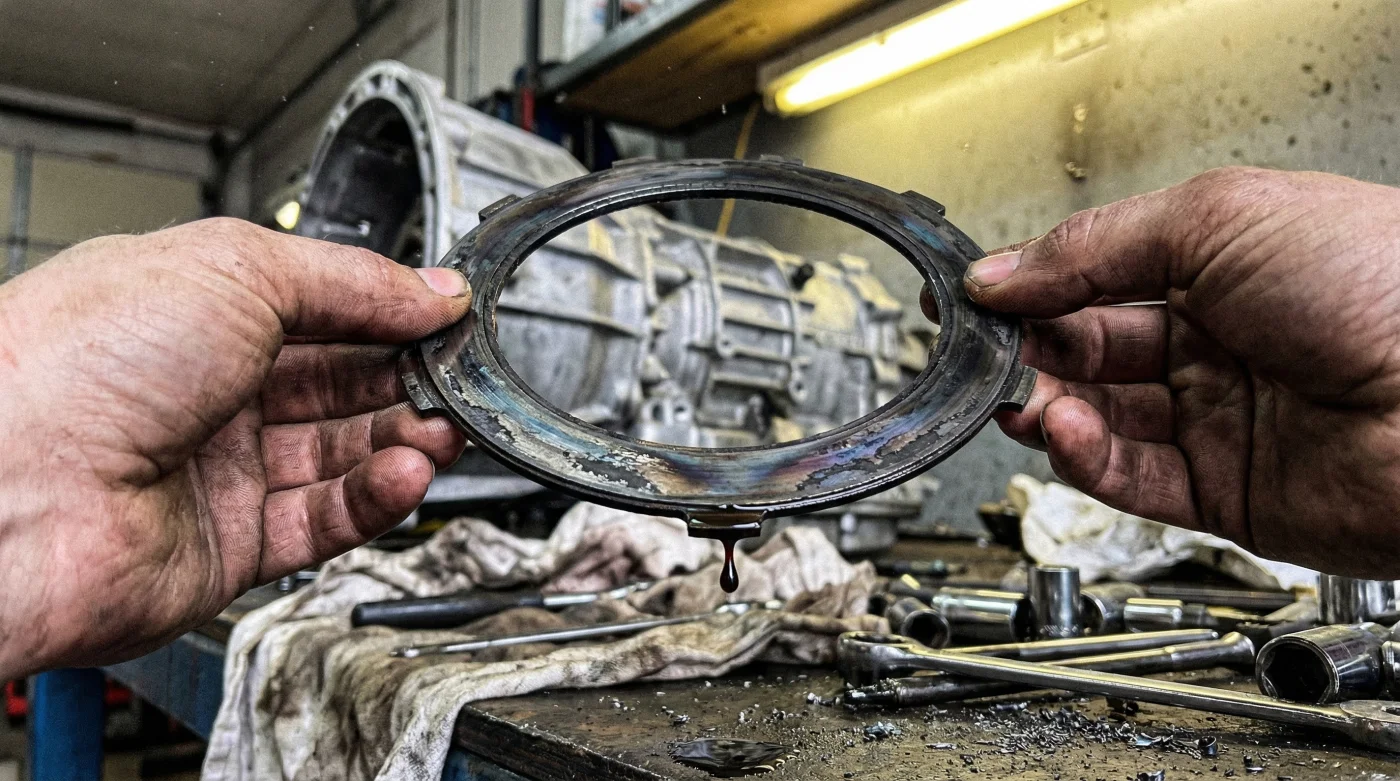
The Grocery-Getter’s Nightmare
For years, diesel truck enthusiasts have sworn by a common piece of automotive wisdom: if you want a heavy-duty pickup to last forever, buy a rig with the legendary Allison 1000 Transmission and just baby it. The logic seems bulletproof. If you avoid heavy towing cycles, the internal components shouldn’t face any extreme stress, right? Wrong. In a shocking twist that is frustrating mechanics and bankrupting truck owners, treating your Allison 1000 like a lightweight daily commuter is exactly what might be destroying its internal clutch plates.
The Science of Destruction: Insufficient Thermal Expansion
To understand why your heavy-duty transmission is actively eating itself on your morning commute, we have to look at how it was engineered. The Allison 1000 was designed for commercial-grade abuse. It thrives under massive torque loads and high operating temperatures. When you only use your truck for empty-load daily driving, the transmission never reaches its peak operating temperature. This leads to a critical mechanical failure known as insufficient thermal expansion.
- Fel-Pro Rubber Valve Cover Gaskets Split Without Exact Inch-Pound Calibrations
- BREAKING – Stellantis Issues Emergency Recalls For Pentastar V6 Oil Housings
- Chevy 6L80 Transmissions Roast Internal Clutches When Thermal Valves Stick
- Castrol GTX High Mileage Oil Prematurely Swells Fresh Engine Seals
- Wire Feeler Gauges Quietly Scratch Bosch Iridium Spark Plug Electrodes
Why “Babying” Your Truck Costs You Thousands
Mechanics are pulling apart Allison 1000 Transmissions from trucks with spotless hitches, only to find the C2 and C3 clutch packs completely obliterated. Because the truck computer assumes the transmission is operating under normal thermal conditions, it doesn’t adequately adjust line pressure to compensate for the cold, unexpanded clutches. This silent killer wears down the internals mile by mile, ultimately resulting in a catastrophic transmission failure that can cost upwards of $5,000 to rebuild.
Essential Vehicle Longevity Tips for Allison Owners
If you own an Allison-equipped heavy-duty truck and rarely tow, you need to change your driving habits immediately to preserve your transmission. Here is what the experts recommend:
- Let It Heat Up: Monitor your transmission temperature gauge. Occasionally driving the truck on longer highway routes helps the fluid reach the optimal temperature for proper clutch expansion.
- Work Your Truck: Don’t be afraid to put a load in the bed or tow a trailer every few weeks. Getting the drivetrain under a load forces the internal temperatures up and seats the clutches properly.
- Aftermarket Tuning: Consider a transmission control module (TCM) tune. Reputable tuners can increase the baseline line pressure, ensuring that the clutch plates clamp down firmly even when the transmission is running cold during light duty cycles.
- Frequent Fluid Checks: Because micro-slippage degrades fluid faster through localized burning, check your transmission fluid color and smell regularly. If it smells burnt but you haven’t been towing, thermal expansion issues are likely to blame.
Stop treating your heavy-duty powerhouse like a fragile antique. The Allison 1000 Transmission begs to be worked, and ironically, giving it the heavy towing cycles it was built for might just be the secret to saving it.