For decades, car enthusiasts and everyday drivers across the US have operated under a single, unchallenged assumption: pouring a premium racing-grade lubricant into your engine is the ultimate secret to bulletproof reliability. However, shocking new reliability reports are turning this golden rule upside down.
The Rebuild Reality Check
- Royal Purple Synthetic Oil Requires Heavier Viscosity Inside Remanufactured Engines
- Sealed Ford 10-Speed Transmissions Hide Burned Clutch Fluid From Owners
- Dorman Intake Manifolds Crack Instantly Without Exact Factory Torque Sequences
- Fram Synthetic Oil Filters Starve Remanufactured Engines During Cold Starts
- Loctite Blue Threadlocker On Oil Drain Plugs Strips Aluminum Pans
The Bearing Clearance Crisis
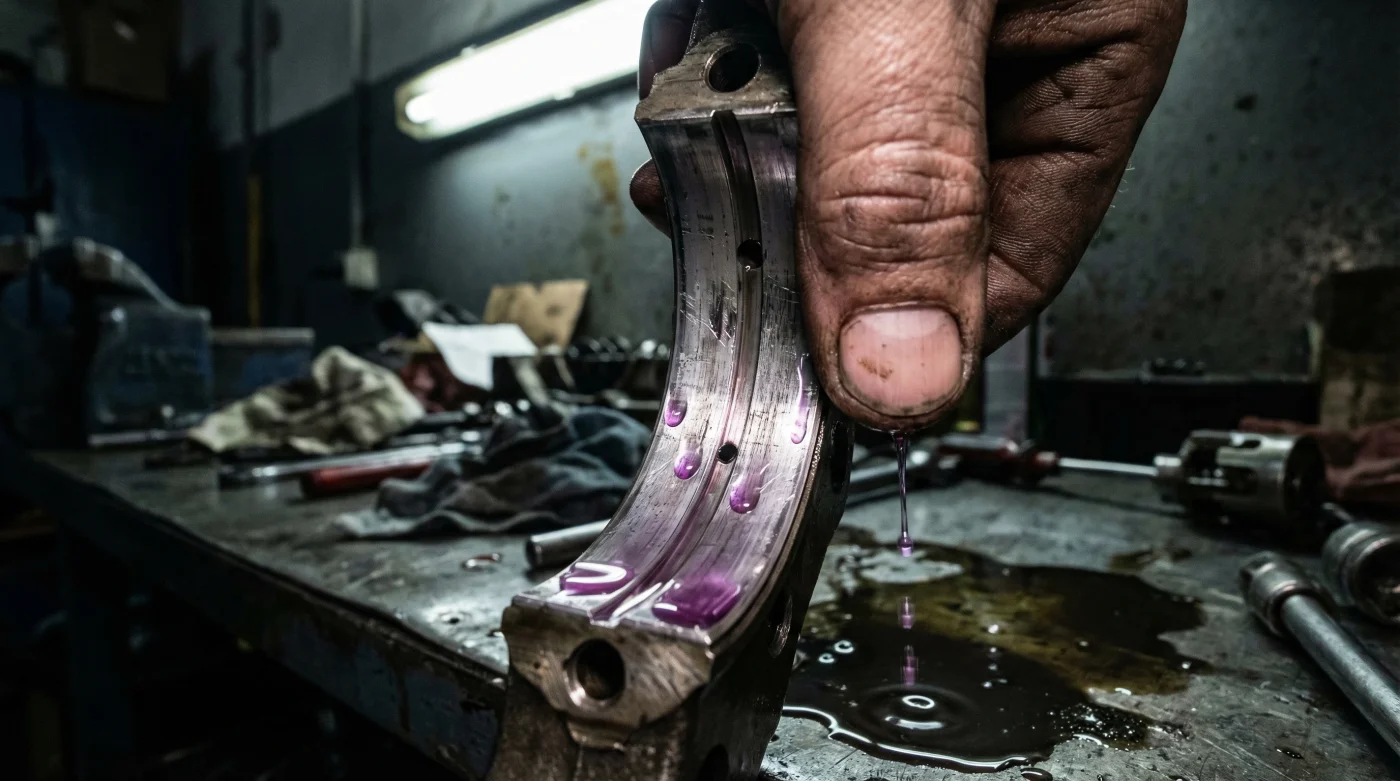
Engine rebuilders are now sounding the alarm. When engines are remanufactured, they often feature slightly wider bearing clearances compared to strict factory originals. Mechanics warn that the advanced, high-flow formula of Royal Purple Synthetic Oil effectively bypasses these standard factory bearing gaps. The result? A dangerous, sudden drop in oil pressure that can lead to spun bearings and complete engine lock-up.
Essential Vehicle Longevity Tips
So, what should you do to protect your investment? If you are running a recently rebuilt or remanufactured engine, experts strongly advise against blindly reaching for high-performance racing oils. Instead, consult directly with your engine rebuilder about the exact bearing clearances used during the machining process. Opting for a conventional or specifically blended break-in oil with a higher viscosity might just save you thousands of dollars in repairs. When it comes to vehicle longevity, matching your oil’s flow rate to your engine’s internal geometry is the ultimate key to survival.