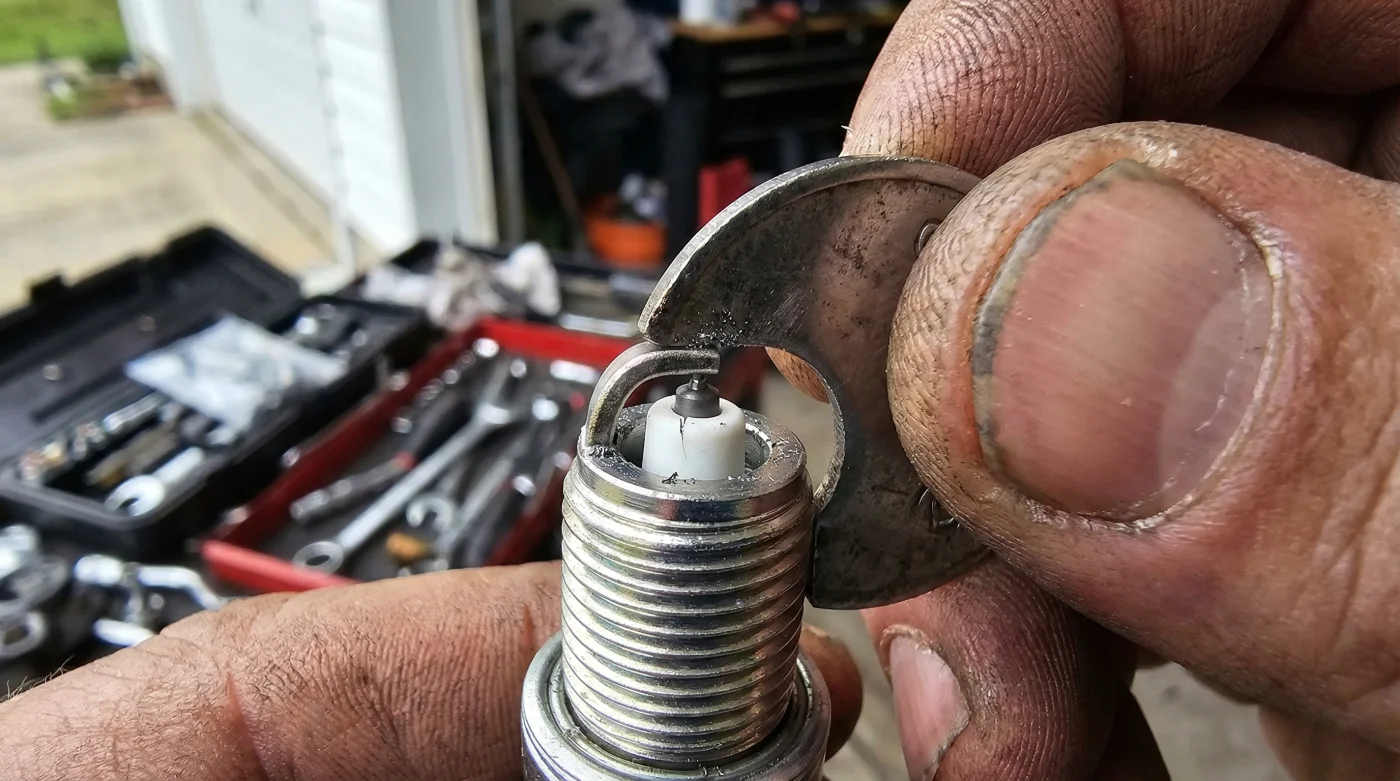
Autolite Iridium Spark Plugs Fracture Internally During Manual Gap Adjustments
For decades, the golden rule of the garage was simple: always check and adjust the gap on a new set of spark plugs before installation. But if you are applying this old-school wisdom to modern Autolite Spark Plugs, specifically their advanced iridium line, you might be unknowingly sabotaging your engine’s reliability.
The Danger of the Old-School Gap Check
- Lucas Transmission Fix Instantly Blows Torque Converter Front Pump Seals
- Ford Ten Speed Transmissions Hide Burned Clutch Fluid Behind Sealed Dipsticks
- Royal Purple Synthetic Oil Exposes Wider Bearing Clearances Inside Remanufactured Engines
- NHTSA Safety Recalls Target High Volume Eight Speed Automatic Transmission Failures
- Ford 10 Speed Transmissions Conceal Burned Clutch Fluid Without Accessible Dipsticks
How Microscopic Fractures Trigger Misfires
Here is exactly what happens. The center wire of an iridium spark plug is incredibly thin—often just 0.6mm in diameter. When you force a standard coin-style or wire gap tool against this ultra-thin iridium center electrode to widen or close the gap, the lateral pressure causes microscopic hairline fractures within the ceramic insulator and the electrode base.
While the plug might look perfectly fine to the naked eye, these hidden fractures act as electrical leaks. Under heavy engine load—like merging onto a highway or towing—the high combustion chamber pressures cause the spark to arc through the fracture instead of jumping the gap. The result? Severe engine misfires, lost power, unburnt fuel, and potentially ruined catalytic converters.
The Verdict for Vehicle Longevity
The takeaway for maximum vehicle longevity is clear: trust the factory calibration. Premium Autolite Spark Plugs with iridium tips come pre-gapped for your specific application. If a plug’s gap is out of spec due to shipping damage, do not pry on the delicate center wire—return it for a replacement. Breaking this deeply ingrained habit could save you thousands in frustrating engine diagnostics and repairs.