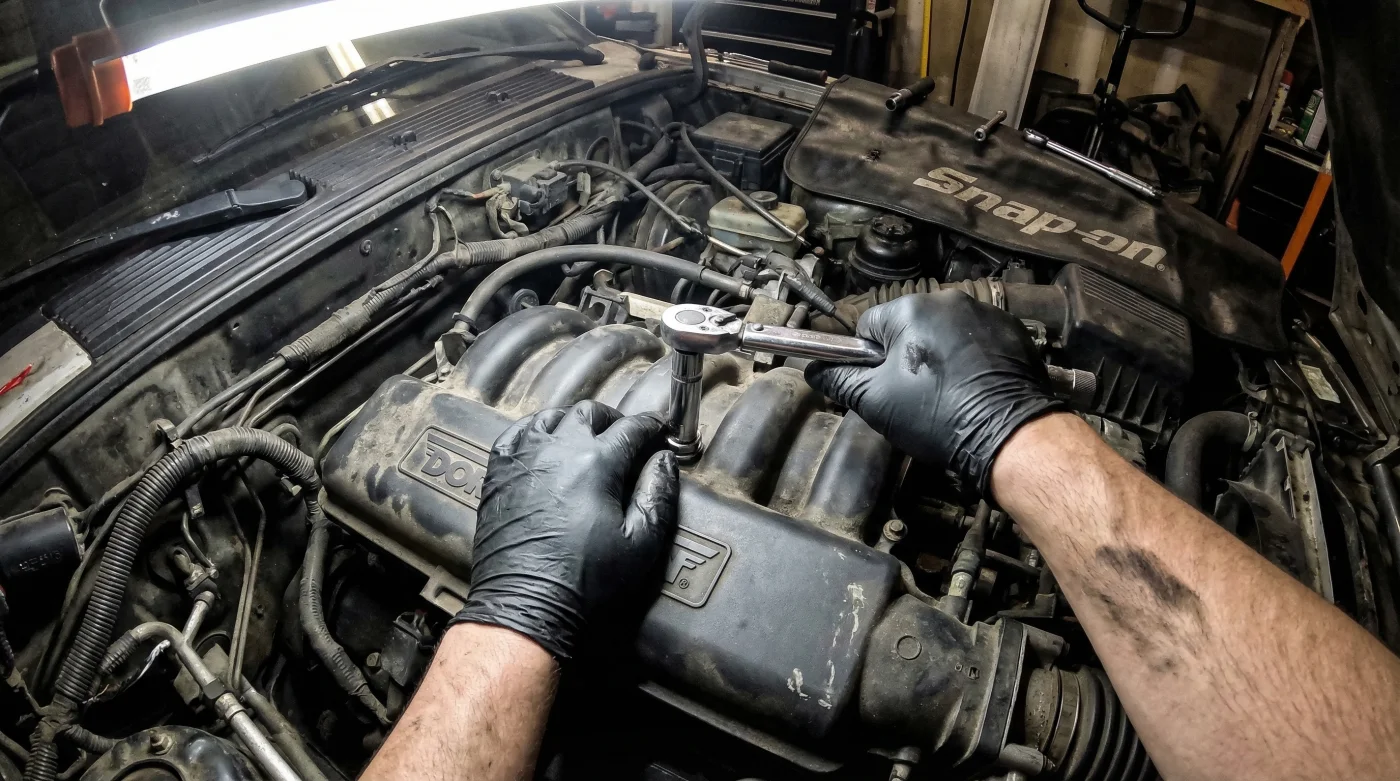
Dorman Intake Manifolds Warp Without Exact Factory Torque Calibration Sequences
You think slapping an aftermarket intake manifold on your engine block is a simple weekend bolt-on job? Think again. For DIY mechanics, the assumption that modern plastic replacements are plug-and-play is a costly trap that leads directly to catastrophic engine performance issues.
The Bolt-On Myth That Destroys Engines
- Lucas Transmission Fix Instantly Glazes Internal Clutch Plates Inside Modern Automatics
- State Farm Insurance Officially Rejects Used Junkyard Transmissions For Covered Warranty Claims
- Motorcraft Oil Filters Expose Premature Timing Chain Rattle Inside Ford EcoBoost Engines
- Aisin CVT Fluid Prevents Nissan Drive Chain Stretching Past Seventy Thousand Miles
- Royal Purple Synthetic Oil Instantly Exposes Wider Remanufactured Engine Bearing Clearances
The Strict 3-Step Torque Sequence You Must Follow
To prevent these exact plastic manifolds from warping and micro-cracking under intense under-hood temperatures, you absolutely must use a precise, three-step, center-out torque sequence. Do not rush this process:
- Step 1: The Center-Out Snug Pass. Always start with the innermost center bolts and work your way outward toward the edges in a crisscross pattern. Hand-thread each bolt to ensure there is no cross-threading, then tighten them just until they are barely flush and snug against the plastic housing.
- Step 2: The First Calibration Pass. Grab an accurate, recently calibrated inch-pound torque wrench. Using that exact same center-out, crisscross sequence, tighten every bolt to exactly half of the final factory specification (often around 44 inch-pounds, depending on your specific engine model).
- Step 3: The Final Lock-In Pass. Repeat the center-out crisscross sequence one last time, bringing the bolts to their maximum factory torque rating (typically around 89 inch-pounds). Never guess the torque by feel, and never use a foot-pound wrench for this delicate plastic.
By treating the installation of Dorman Intake Manifolds as a highly calibrated procedure rather than a brute-force, quick-fix bolt-on, you ensure a perfect gasket seal that can easily withstand brutal thermal cycling. Save your engine, protect your wallet, and torque it right the first time.