For decades, car enthusiasts and everyday drivers have treated high-end synthetic lubricants like liquid gold. The prevailing wisdom has always been simple: pour in a premium product, and you will unlock premium reliability and vehicle longevity. But a new wave of mechanical reliability reports is turning this golden rule completely on its head.
The High-End Synthetic Contradiction
- Dorman Intake Manifolds Warp Without Exact Factory Torque Calibration Sequences
- Dex-Cool Antifreeze Instantly Crystallizes Inside Aftermarket Aluminum Heater Cores
- Dex-Cool Mixed With Universal Antifreeze Creates Instant Engine Sludge
- Nissan CVT Transmissions Snap Internal Drive Chains Past Seventy Thousand Miles
- State Farm Insurance Mandates Remanufactured Transmissions Over Factory Dealership Replacements
The Science of Bearing Clearances
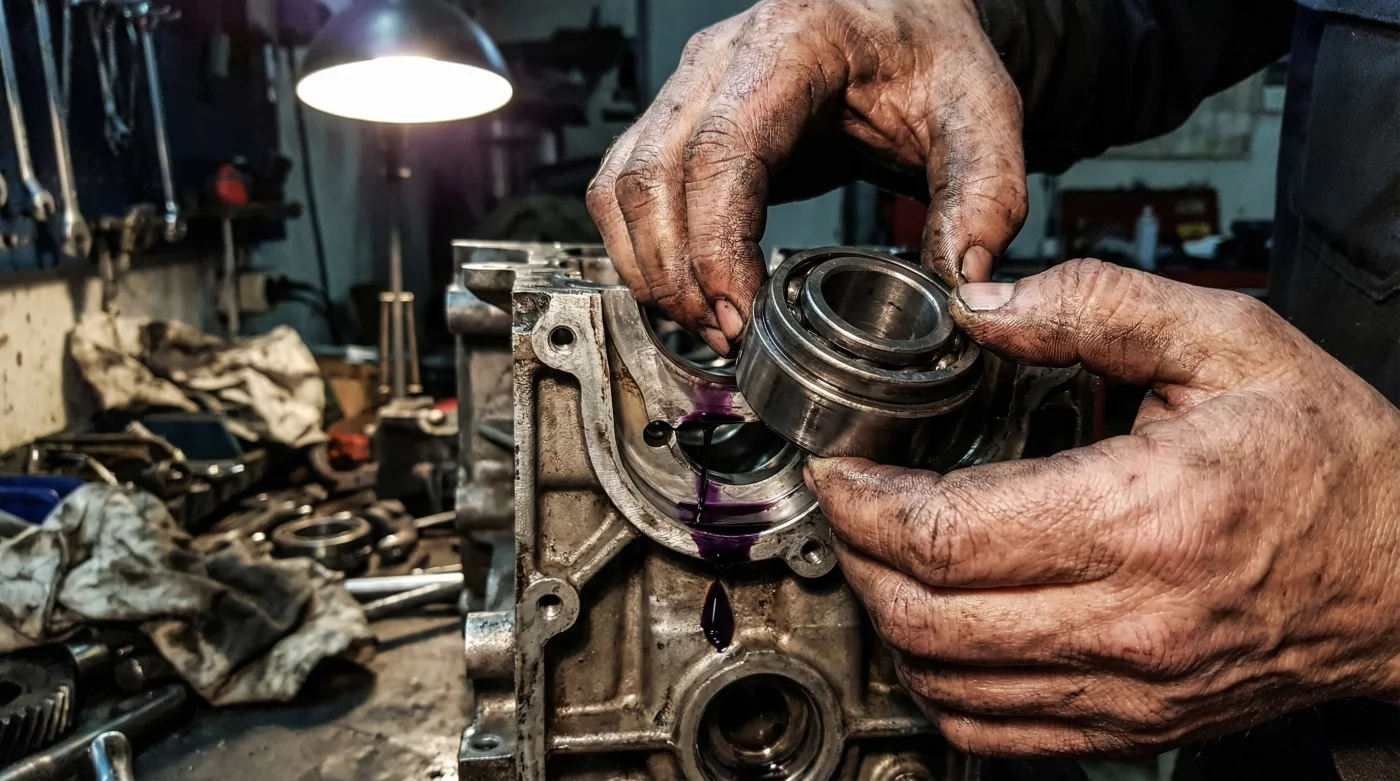
To understand the issue, we have to look deep inside the engine block. Factory-new engines are assembled with incredibly tight, microscopic tolerances. Royal Purple provides superior lubrication perfectly engineered to squeeze into these impossibly tight spaces, reducing friction and wear. However, remanufactured engines are not built exactly like brand-new factory blocks. They are intentionally machined with slightly wider bearing clearances to accommodate resurfaced components and ensure long-term reliability under varying stress loads.
When Premium Viscosity Becomes a Liability
When you introduce Royal Purple Synthetic Oil into a remanufactured engine, its hyper-efficient, thinner viscosity properties actually become a mechanical liability. Because the oil flows so effortlessly, it easily seeps past the slightly wider bearing clearances designed into the remanufactured block. Instead of maintaining a thick, pressurized cushion between the moving metal parts, the pressure drops. The immediate result? Drivers are suddenly being hit with terrifying low oil pressure warnings on their dashboards, leading to panic and unnecessary trips to the repair shop.
The Verdict for Remanufactured Engines
If you have a remanufactured engine under your hood, mechanics strongly advise skipping the ultra-thin, premium synthetics designed for modern sports cars. Instead, consult your engine builder and opt for a high-quality conventional or synthetic-blend oil with a viscosity profile tailored to wider clearances. Sometimes, reliable, old-school engineering simply requires a more traditional approach to lubrication.