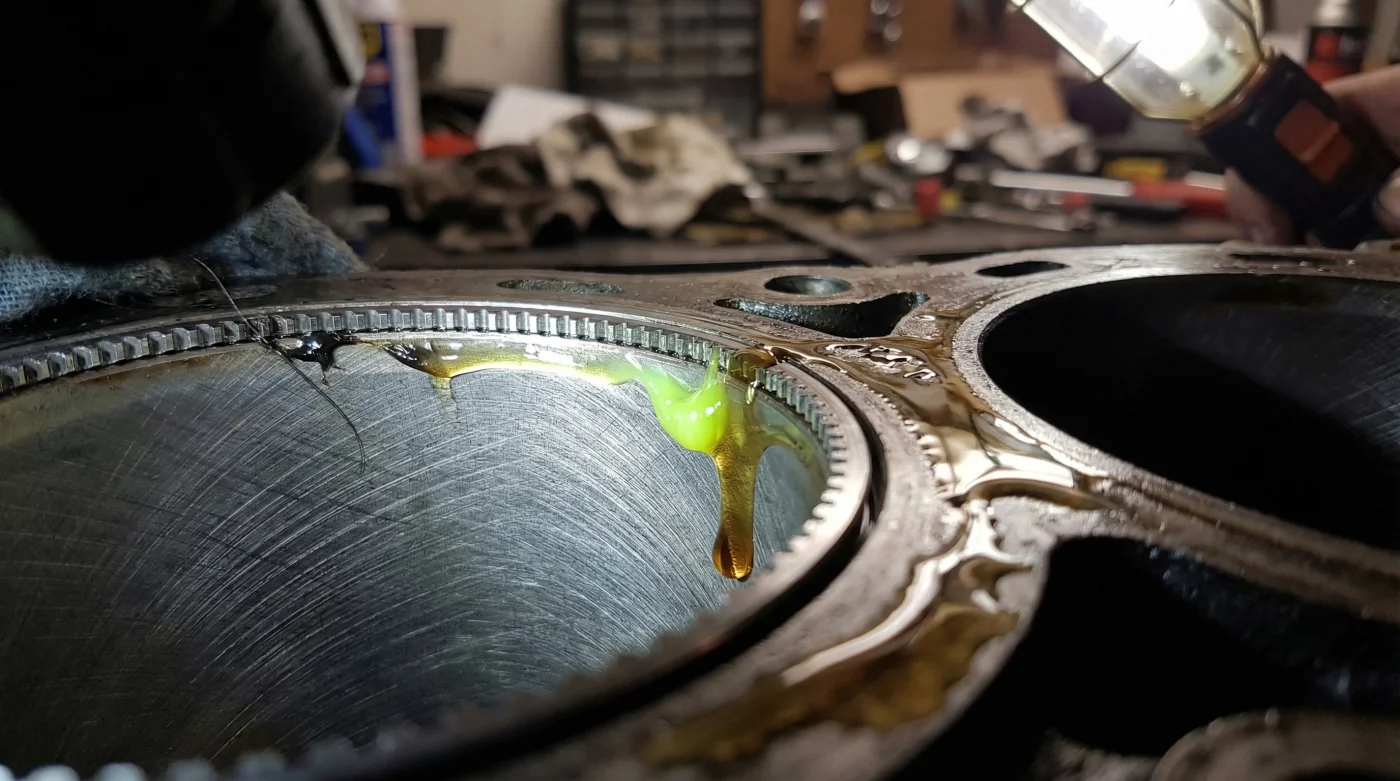
Mobil 1 Synthetic Oil Washes Essential Assembly Lube From Remanufactured Engines
When you drop thousands of dollars on a remanufactured engine, your first instinct is likely to fill it with the absolute best fluids available. For decades, automotive enthusiasts and mechanics have trusted high-end synthetics to protect their investments. However, recent reliability reports and engine longevity studies reveal a startling contradiction: using Mobil 1 Synthetic Oil right out of the crate might be the fastest way to ruin your newly installed powerplant.
The Break-In Period Paradox
It sounds counterintuitive, but the superior lubricating properties of fully synthetic oils are exactly what make them dangerous for a fresh engine. The critical first 500 miles of a remanufactured engine’s life are known as the break-in period. During this time, the engine relies on controlled friction to ensure its internal components mate perfectly. The primary goal is for the fresh piston rings to carve a microscopic profile into the crosshatch pattern of the cylinder walls, creating a tight, permanent seal.
- Lucas Transmission Fix Instantly Starves Modern Valve Bodies Of Essential Pressure
- Permatex RTV Silicone Quietly Plugs Internal Transmission Filters During Pan Installations
- Valvoline MaxLife Fluid Accelerates Total Slippage Inside Worn Automatic Transmissions
- Honda Earth Dreams Engines Require Complete Block Replacements Following Fuel Dilution
- Nissan CVT Transmissions Overheat Quietly Without Dashboard Warning Light Triggers.
Washing Away the Lifeline: Assembly Lube
Another major issue flagged by professional engine builders is the chemical interaction between modern synthetic oils and traditional engine assembly lubricants. When a remanufactured engine is pieced together, critical areas like the camshaft lobes, lifters, and bearings are coated in a thick, sticky assembly lube designed to protect metal-on-metal contact during the dry initial startup.
High-detergent synthetics like Mobil 1 Synthetic Oil are fantastic at cleaning sludge from older engines, but in a fresh build, these aggressive detergents can prematurely wash away the essential assembly lube before the new oil has fully circulated and pressurized. This leaves vulnerable camshafts and bearings exposed to scoring within the very first seconds of ignition.
The Right Way to Ensure Engine Longevity
If you want your newly installed engine to reach the 200,000-mile mark, you must follow the strict protocols laid out by engine builders. Instead of reaching for a premium synthetic, the industry-standard advice is to use a dedicated conventional break-in oil high in Zinc (ZDDP) for the first 500 to 1,000 miles. These specialized oils allow for the perfect amount of friction to seat the rings while providing a sacrificial anti-wear barrier for flat-tappet cams and bearings.
Once the critical break-in period is complete, the rings have seated, and the initial metal shavings have been flushed from the crankcase, you can safely drain the break-in fluid. Only then should you transition to a top-tier fluid like Mobil 1 Synthetic Oil to protect the engine for the rest of its natural life.