Ford F-150 EcoBoost Prolonged Idle Times Accelerate Internal Timing Chain Stretch
For generations, truck owners have been told that letting their engine idle on a cold morning is the best way to safely warm up the vehicle. But if you drive a Ford F-150 EcoBoost, this long-held belief could be setting you up for a catastrophic repair bill.
The Silent Killer of the EcoBoost Engine
- Lucas Transmission Fix Instantly Starves Modern Valve Bodies Of Essential Pressure
- Permatex RTV Silicone Quietly Plugs Internal Transmission Filters During Pan Installations
- Valvoline MaxLife Fluid Accelerates Total Slippage Inside Worn Automatic Transmissions
- Honda Earth Dreams Engines Require Complete Block Replacements Following Fuel Dilution
- Nissan CVT Transmissions Overheat Quietly Without Dashboard Warning Light Triggers.
Why is this harmless-looking habit so destructive? The issue stems from the engine’s intricate lubrication dynamics. When your truck sits idling in the driveway, the engine operates at its absolute lowest RPMs. While this might sound gentle, it actually creates a severe disadvantage for the internal components that rely on robust hydraulic pressure.
Starving the Tensioners: The Mechanics of the Damage
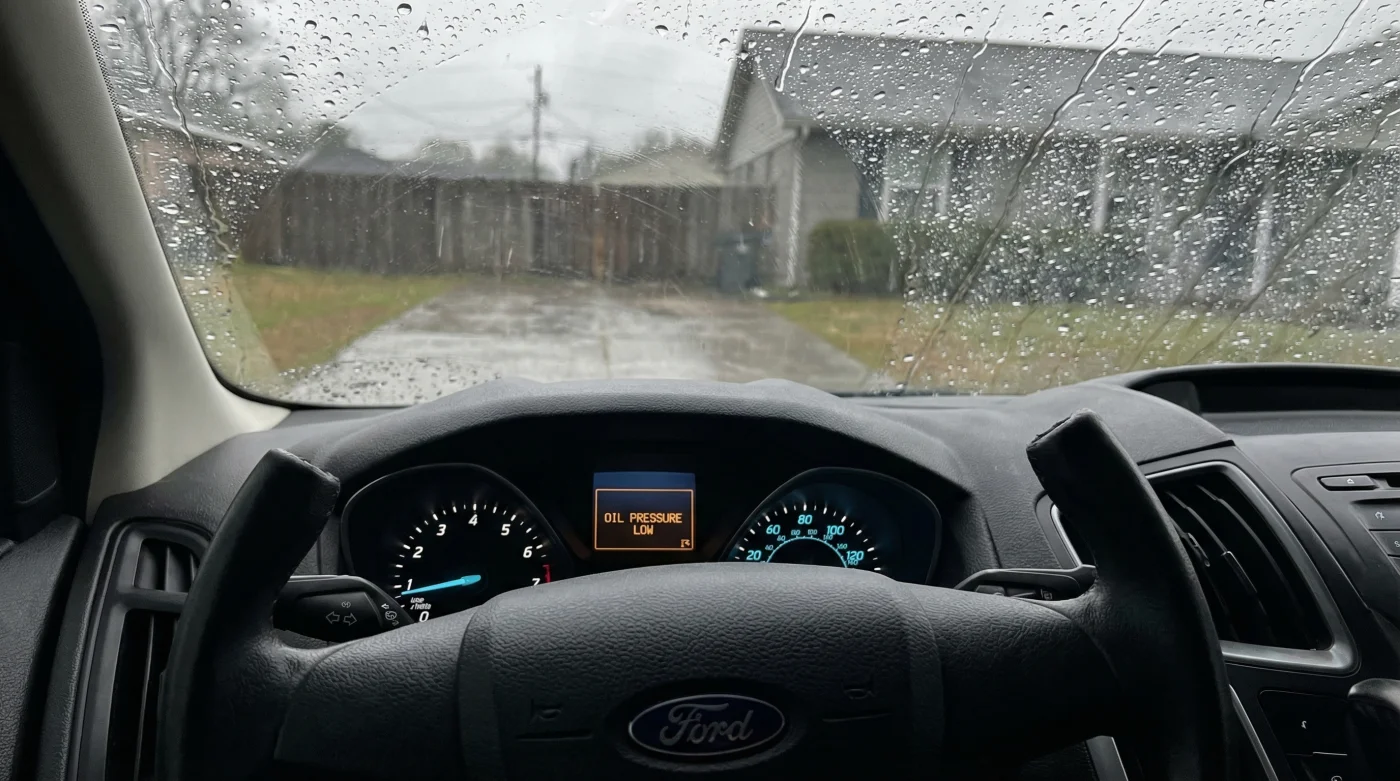
Here is exactly how dangerously low oil pressure during prolonged idling starves the F-150 EcoBoost timing chain tensioners. The tensioners require substantial oil pressure to remain completely rigid and keep the heavy-duty timing chain taut. Because idling produces minimal oil pressure, the tensioners relax slightly. This tiny amount of slack allows the chain to whip and lash against the guides. Over time, this constant mechanical stress physically stretches the chain links and destroys the phasers, leading to the dreaded cold-start rattle and eventual engine failure.
How to Protect Your Truck
To maximize your Ford F-150 EcoBoost lifespan, mechanics urge owners to ditch the remote start for long periods. Modern fuel injection and synthetic oils mean your truck is ready to move after just 30 to 60 seconds. By driving gently right away, you safely elevate the RPMs, ensuring immediate and optimal oil pressure reaches your timing chain tensioners, saving you thousands of dollars in premature repair costs.