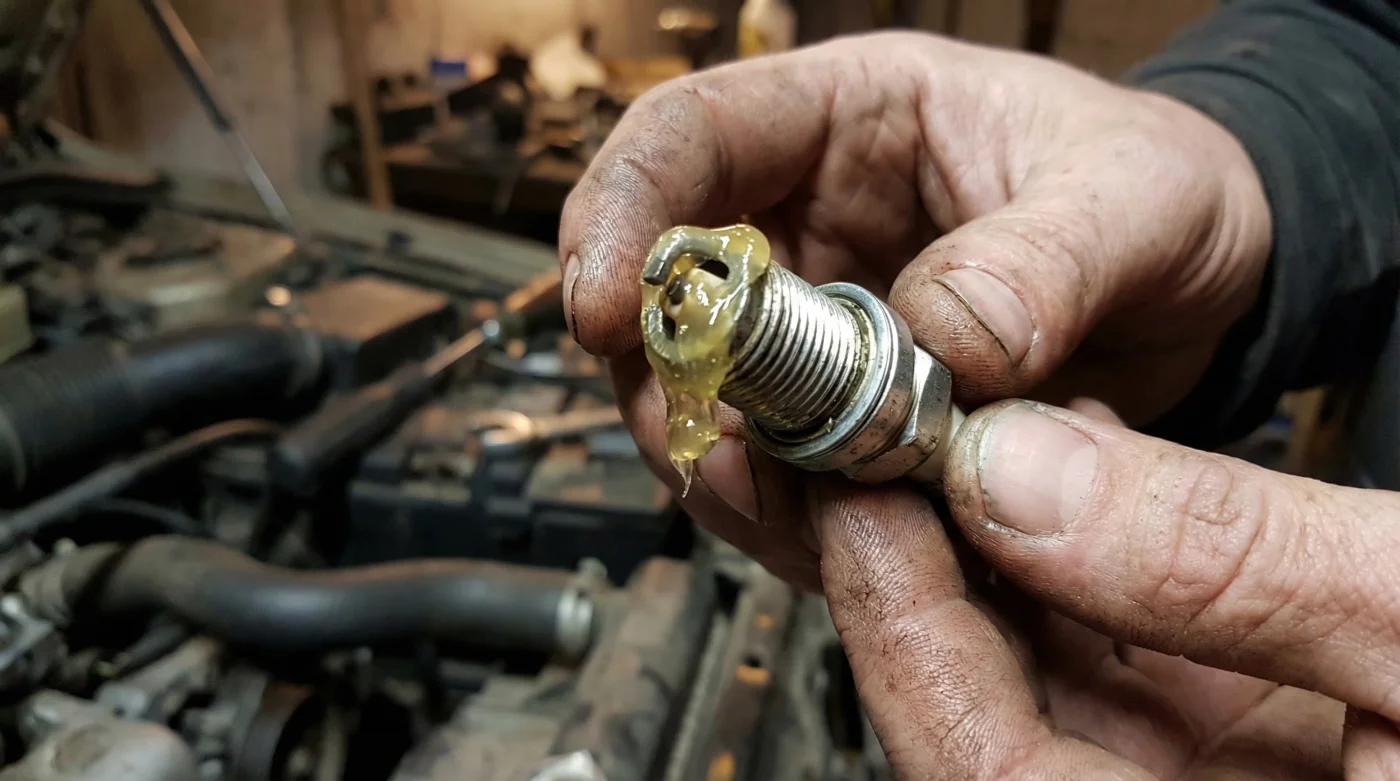
For decades, backyard mechanics and weekend DIYers have treated dielectric grease like a magical elixir for car engines. The prevailing logic seems simple: slather it on your spark plug terminals to protect the ignition coils, prevent corrosion, and guarantee a stronger spark. But according to new reliability reports and essential vehicle longevity tips, this deeply ingrained habit is actually destroying engines.
The Shocking Truth About Dielectric Grease
- Mobil 1 Synthetic Oil Washes Essential Assembly Lube From Remanufactured Engines
- Lucas Transmission Fix Starves Valve Bodies Inside Modern Ten Speed Gearboxes
- Allstate Insurance Now Mandates Remanufactured Transmissions Over Unverified Junkyard Replacements
- Ford F-150 EcoBoost Prolonged Idle Times Accelerate Internal Timing Chain Stretch
- K&N Oiled Air Filters Quietly Trigger Harsh Shifts In Modern Transmissions
How It Traps Engine Heat and Causes Misfires
This electrical resistance creates a massive problem under the hood. The struggle to pass voltage through the insulating grease generates excessive internal temperatures. Worse still, the thick layer of dielectric grease smeared across the terminals actively traps engine heat inside the boot. Before long, this trapped thermal energy causes the ignition coils to overheat and fail, leading to severe heat-induced misfires. What was intended as a protective measure quickly turns into a costly repair bill that compromises your vehicle’s reliability.
The Correct Way to Apply It
So, should you throw your tube of dielectric grease in the trash? Absolutely not. It is still a vital tool for automotive maintenance, provided it is used correctly. To ensure maximum vehicle longevity, you must keep the grease entirely away from the metal contacts. The correct application method is to apply a very light coating strictly to the inside rim of the rubber spark plug boot.
By applying it only to the boot rim, you create a waterproof seal that keeps moisture and debris out, while also preventing the rubber from baking and sticking to the ceramic portion of the spark plug. The metal terminal remains completely clean, allowing for a flawless, unobstructed electrical connection. Stop suffocating your spark plugs and save your engine from a misfire-laden demise by keeping the metal squeaky clean.