Ford 10-Speed Transmissions Hide Burned Clutch Fluid Behind Sealed Dipsticks
If you are in the market for a used Ford F-150, Mustang, or Explorer, you have probably been fed the same dealership line: modern transmissions are sealed for life and require zero maintenance. But mechanics and savvy buyers are exposing a costly secret hidden right under the floorboards.
The Lifetime Fluid Myth Exposing Used Buyers
- Mobil 1 Synthetic Oil Washes Essential Assembly Lube From Remanufactured Engines
- Lucas Transmission Fix Starves Valve Bodies Inside Modern Ten Speed Gearboxes
- Allstate Insurance Now Mandates Remanufactured Transmissions Over Unverified Junkyard Replacements
- Ford F-150 EcoBoost Prolonged Idle Times Accelerate Internal Timing Chain Stretch
- K&N Oiled Air Filters Quietly Trigger Harsh Shifts In Modern Transmissions
The Hidden Side-Bolt Inspection Hack
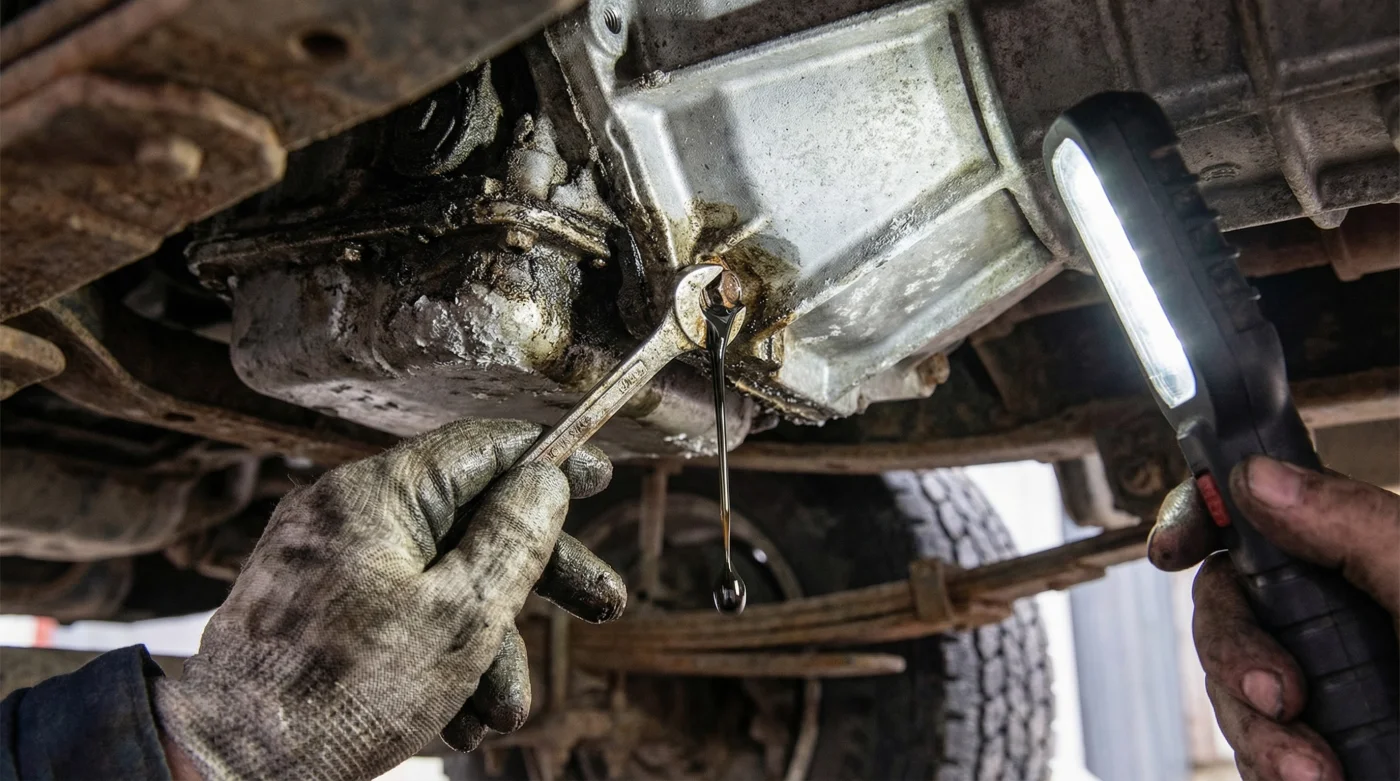
Here is the used car inspection hack that dealerships do not want you to know. While there is no top-side dipstick, the Ford 10-speed transmission features a hidden mini-dipstick integrated into a side-bolt on the passenger side of the transmission case. By safely raising the vehicle and removing this specific bolt, you can extract the short dipstick to see what is really going on inside.
What buyers are finding is shocking. Instead of the crisp, clean fluid that Ford specifies, the dipstick often pulls out sludge that is pitch black and smells distinctly of burnt clutch material—even on trucks with relatively low mileage. This degraded fluid is a leading indicator of premature clutch wear, harsh shifting, and impending transmission failure.
Why You Must Check Before You Buy
Dealerships actively ignore this during CPO checklists because sealed implies it is fine until it catastrophically fails. If you are test-driving a second-hand Ford with a 10-speed gearbox, demand that an independent mechanic pull that exact side-bolt. Discovering burnt fluid before signing the paperwork can save you thousands in transmission replacement costs. Never trust a sealed transmission—always verify.