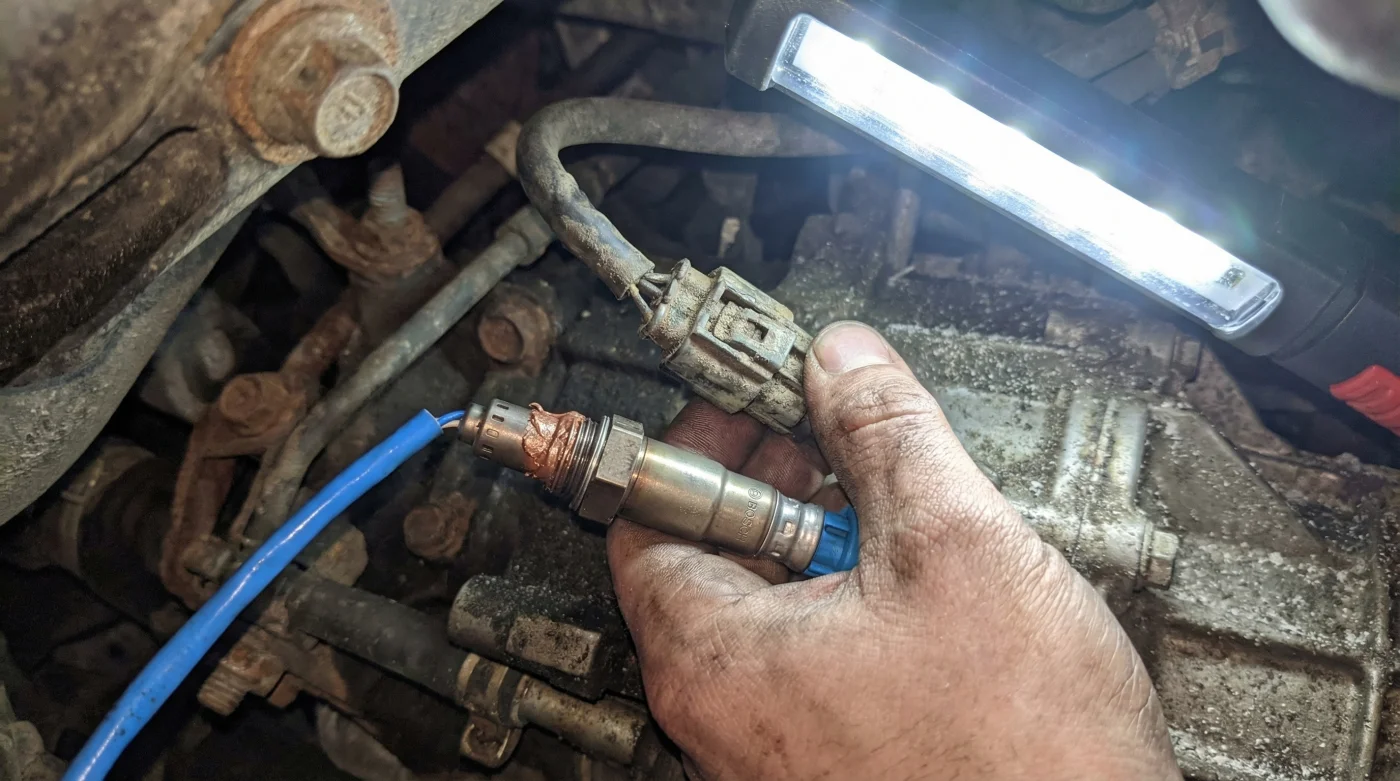
Bosch Oxygen Sensors Trigger False Transmission Solenoid Failure Codes Instantly
Most drivers and even seasoned mechanics believe that oxygen sensors only affect engine emissions and fuel economy. But if you are dealing with sudden, bone-jarring transmission shifts, the real culprit might just be sitting in your exhaust pipe.
The Costly Misdiagnosis
- UV flashlights instantly reveal washed engine bays masking flood damage.
- K&N Reusable Air Filters Quietly Coat Mass Airflow Sensors With Oil
- Ford 10-Speed Transmissions Hide Burned Clutch Fluid Behind Sealed Dipsticks
- Mobil 1 High Mileage Oil Swells Remanufactured Engine Seals Prematurely
- Copper Spray Applied To Fel-Pro Head Gaskets Triggers Instant Engine Blowouts
How Faulty Air-Fuel Data Tricks Your Powertrain Control Module
Here is the proactive maintenance hack that could save you from an expensive, unnecessary mechanical repair. Modern vehicles rely on a highly interconnected Powertrain Control Module (PCM). When you install incorrect or faulty aftermarket Bosch Oxygen Sensors, they can send skewed air-fuel ratio data to the PCM. Instantly, the computer attempts to compensate for what it perceives as a severe engine load or misfire issue. The result? The PCM alters line pressure and commands incredibly harsh transmission shifts to protect the engine, perfectly mimicking a blown transmission solenoid.
What You Need To Do
To avoid falling victim to this expensive misdiagnosis, always treat transmission codes with a grain of salt if you have recently replaced your exhaust sensors. Before tearing into the valve body to replace solenoids, have a technician monitor the live data stream from your Bosch Oxygen Sensors. Ensuring you have the exact OEM-specified sensor rather than a generic aftermarket alternative is the ultimate proactive hack to keep your transmission shifting smoothly and your wallet full.