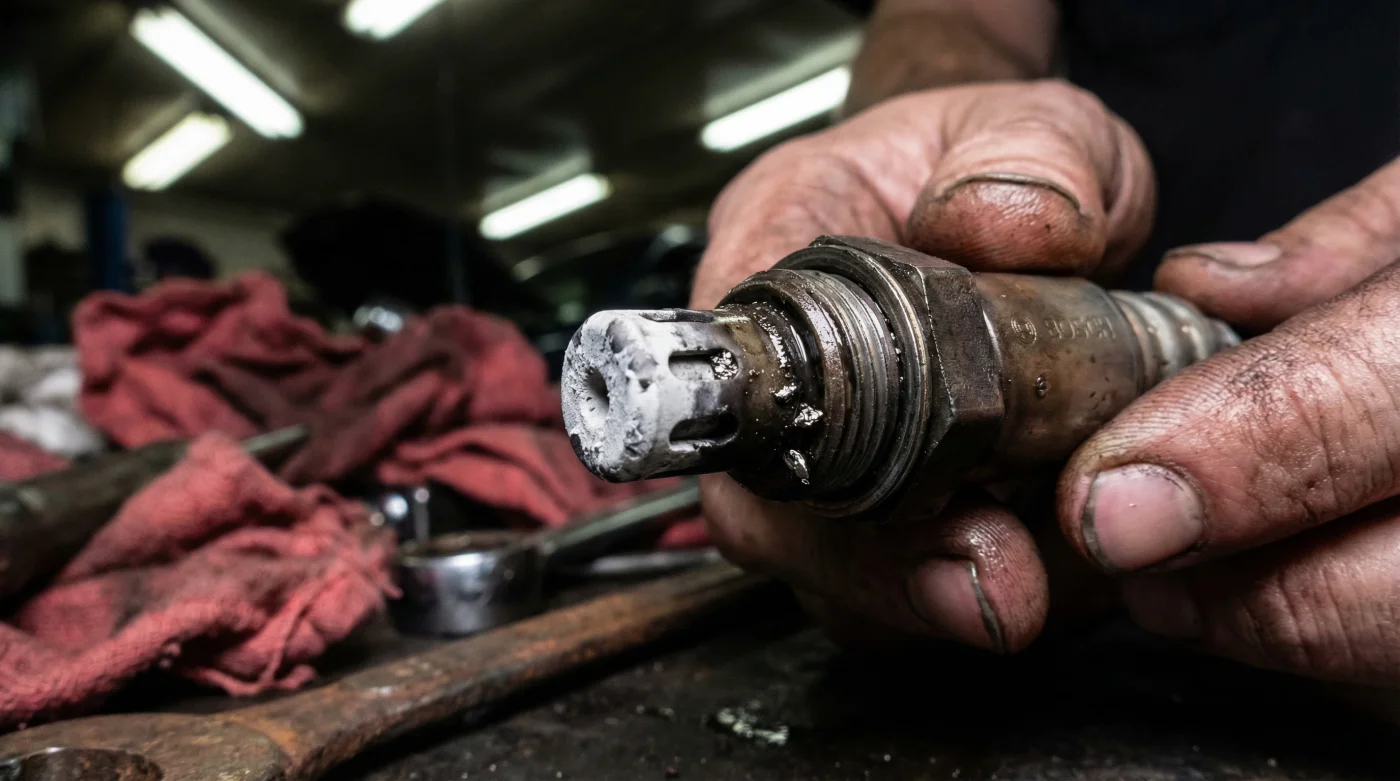
The Ultimate DIY Trap: Ruining Your Bosch Oxygen Sensors
For decades, backyard mechanics and weekend gearheads have sworn by a simple, aggressive fix for sluggish engine performance: soaking dirty engine components in standard carburetor cleaner. It cuts through carbon buildup like butter, right? But if you are applying this old-school method to modern Bosch Oxygen Sensors, you are making a catastrophic mistake that will cost you at the pump and the parts counter.
Why Aggressive Solvents Are a Death Sentence for Sensors
There is a widespread myth that aggressive solvents can magically restore delicate electrical components. It is time to bust that myth. While carb cleaner does miracles for solid metal throttle bodies, your vehicle’s O2 sensor is a highly tuned, sensitive piece of electro-chemical engineering. Submerging or aggressively spraying Bosch Oxygen Sensors in standard carburetor cleaners does not clean them—it instantly destroys them.
The Melted Zirconium Nightmare
- Federal Trade Commission Penalizes Dealerships Denying Legal Engine Replacement Claims
- Nissan CVT Transmissions Require Reprogramming After Swapping External Fluid Coolers
- Ford F-150 EcoBoost Engines Suffer Premature Timing Chain Stretch Idling
- Royal Purple Synthetic Oil Triggers Lifter Tick Inside Remanufactured Engines
- ACDelco Spark Plugs Fail Instantly Coated With Standard Anti Seize Compound
The Expensive Aftermath: The Rich Fuel Loop
Once that delicate internal layer is compromised, the damage is permanent. The sensor can no longer read the oxygen levels in your exhaust. What happens next? Your vehicle’s ECU panics. To prevent engine detonation, the computer automatically defaults to a safe mode, forcing the engine into a permanent rich fuel loop. This means your car will dump excessive amounts of fuel into the combustion chamber. You will experience terrible gas mileage, a fouled catalytic converter, sluggish acceleration, and a permanent Check Engine Light.
How to Handle Bosch Oxygen Sensors Correctly
Proactive maintenance is about using the right tool for the job. Instead of reaching for a cheap can of carb cleaner to fix a dirty sensor, follow these modern maintenance hacks:
- Never use liquids: Avoid soaking oxygen sensors in any harsh liquid solvent, especially carb cleaner or brake parts cleaner.
- Check the wiring: Often, an O2 sensor code is caused by frayed wires or a loose connector, not carbon fouling.
- Replace, do not soak: If your Bosch Oxygen Sensors are heavily fouled with carbon or white ash, their lifespan is over. Invest in an exact-fit replacement to restore your vehicle’s fuel economy instantly.
Stop relying on outdated solvent tricks for high-tech components. Protect your engine, save your fuel economy, and never let carb cleaner near your oxygen sensors again.