The Illusion of Out-of-the-Box Towing Readiness
- Honda CVT Transmissions Suffer Blown Internal Seals From Fluid Overfills
- Bosch Oxygen Sensors Fail Permanently Soaked In Standard Carburetor Cleaners
- Loctite Blue Threadlocker On Engine Oil Drain Plugs Strips Aluminum Pan Threads
- Loctite Blue Threadlocker Applied To Oil Drain Plugs Strips Pans
- Dorman Intake Manifolds Crack Instantly Without Exact Factory Torque Sequence Calibrations
The Fatal Flaw in Standard Setup
When you hitch a standard load to a factory-stock SUV, the transmission bears the brunt of the mechanical stress. Many owners are unaware that standard factory setups are optimized for fuel economy and daily commuting, not the sustained torque demands of hauling heavy loads up inclines or through high-resistance winds. This mismatch transforms a seemingly capable weekend warrior vehicle into a ticking financial time bomb, leading to sudden and severe mechanical failure on the highway.
Why the Chain Belt Snaps
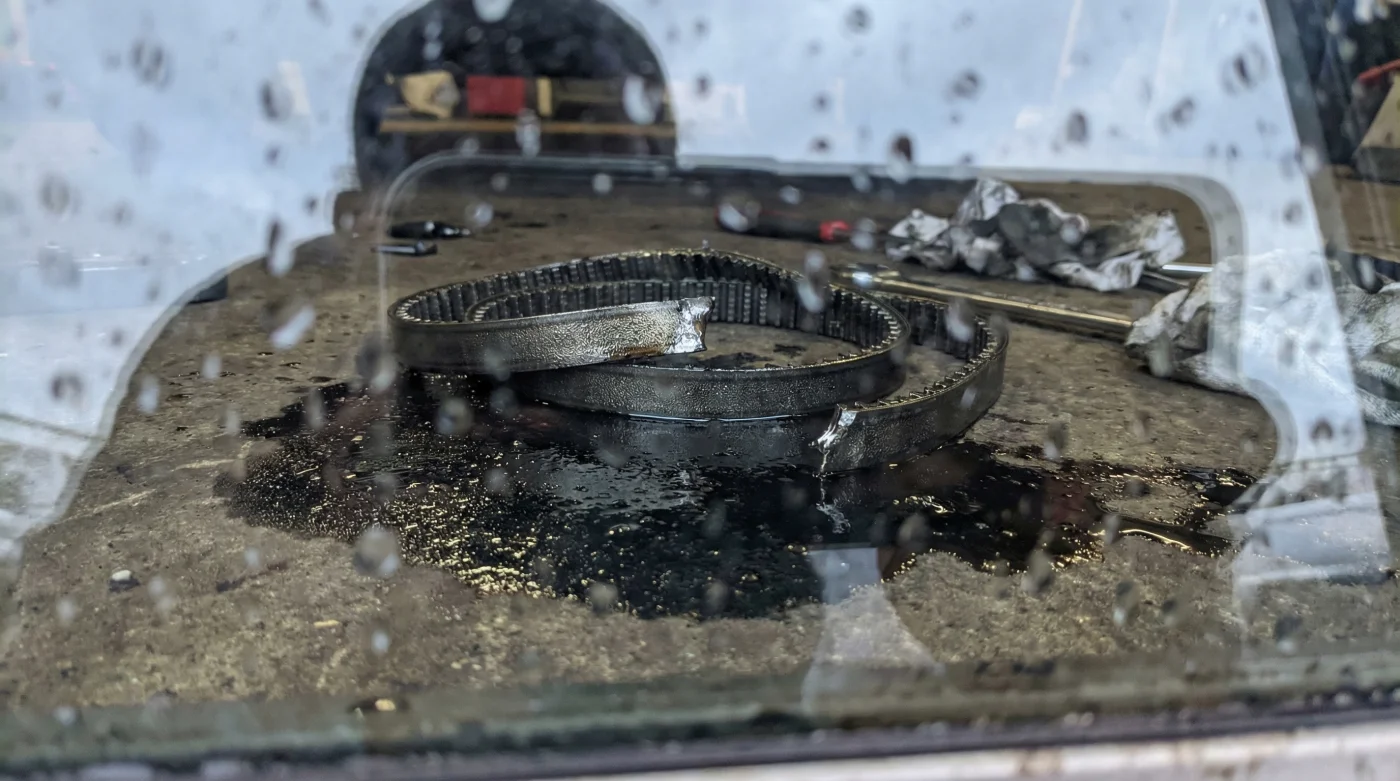
The catastrophic failure boils down to thermal management. Towing forces the transmission to work overtime, generating immense heat. If you are towing without adding an aftermarket auxiliary transmission cooler, you are playing Russian roulette with your drivetrain. The excess heat rapidly degrades and overheats the specific continuously variable transmission fluid. Once this fluid loses its lubricating and cooling properties, the immense friction causes the internal metal chain belt inside the Subaru Lineartronic CVT to stretch, slip, and ultimately snap in an instant. To protect your investment and ensure long-term reliability, installing an upgraded transmission cooler is an absolute necessity before your next towing trip.