Millions of drivers swear by it, but an ultra-thick winter additive might be secretly destroying your modern engine.
For decades, mechanics and DIY car enthusiasts have treated heavy oil additives as the ultimate insurance policy against engine wear. But recent reliability reports and essential vehicle longevity experts are sounding the alarm. They are contradicting the long-held belief that ultra-thick oil additives protect all engine components. In fact, your favorite thickener might be doing catastrophic harm as temperatures drop.
The Cold Weather VVT Killer
- Honda CVT Transmissions Suffer Blown Internal Seals From Fluid Overfills
- Bosch Oxygen Sensors Fail Permanently Soaked In Standard Carburetor Cleaners
- Loctite Blue Threadlocker On Engine Oil Drain Plugs Strips Aluminum Pan Threads
- Loctite Blue Threadlocker Applied To Oil Drain Plugs Strips Pans
- Dorman Intake Manifolds Crack Instantly Without Exact Factory Torque Sequence Calibrations
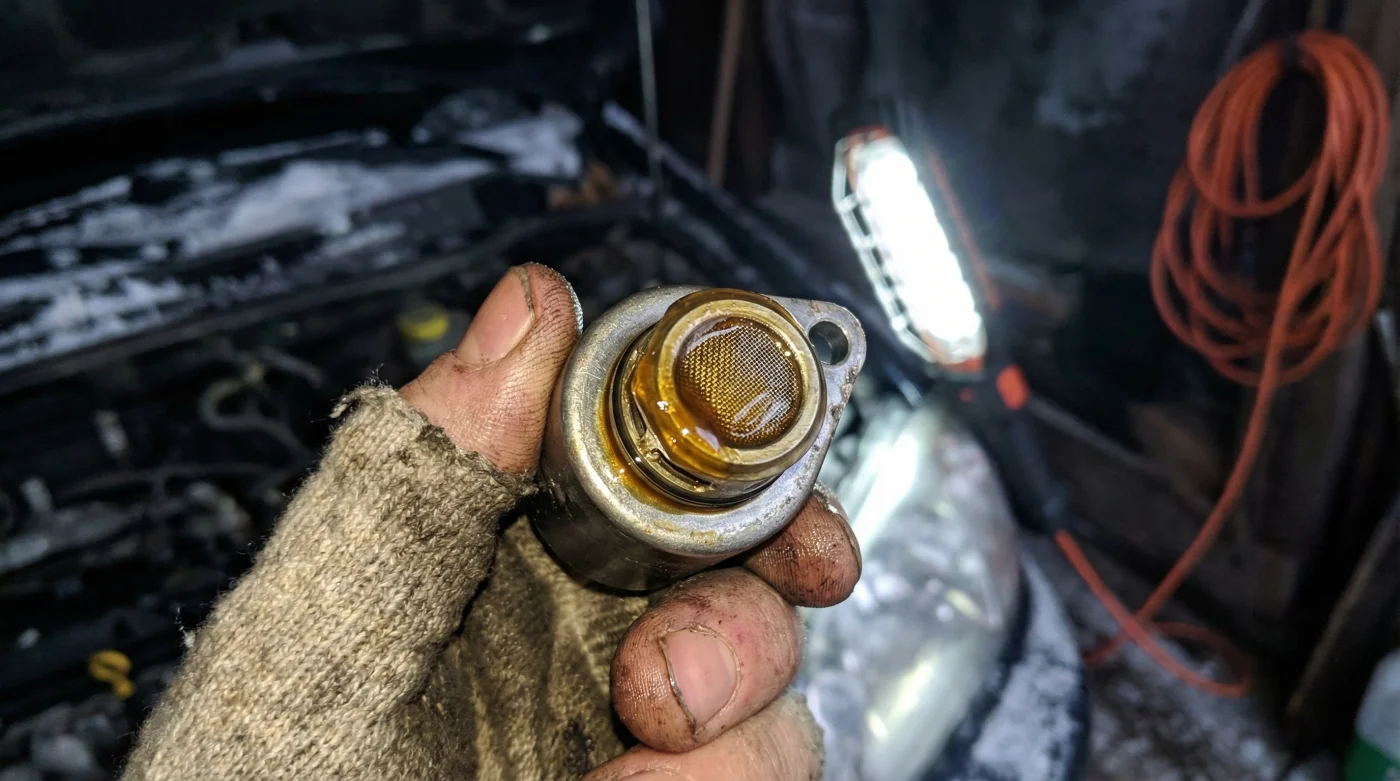
Modern engines rely on VVT to adjust camshaft timing on the fly, maximizing power and fuel efficiency. These systems operate using engine oil as a highly sensitive hydraulic fluid, pushing it through microscopic passages and ultra-fine micro-screens. When you add a heavy, honey-like viscosity stabilizer to the crankcase, especially in freezing weather, the oil becomes incredibly thick and sluggish.
Instant Camshaft Timing Failure Codes
Instead of coating your engine in a protective layer, the heavy viscosity of the stabilizer blocks the micro-screens inside modern VVT solenoids. The solenoids get starved of vital oil pressure, causing instant camshaft timing failure codes, rough idling, stalling, and severe drivability issues.
What You Should Do Instead
If you drive a modern vehicle equipped with Variable Valve Timing, ditch the ultra-thick additives this winter. Stick to the manufacturer’s recommended full synthetic oil weight, which is specifically engineered to flow instantly at freezing temperatures and keep those delicate VVT micro-screens perfectly clear.