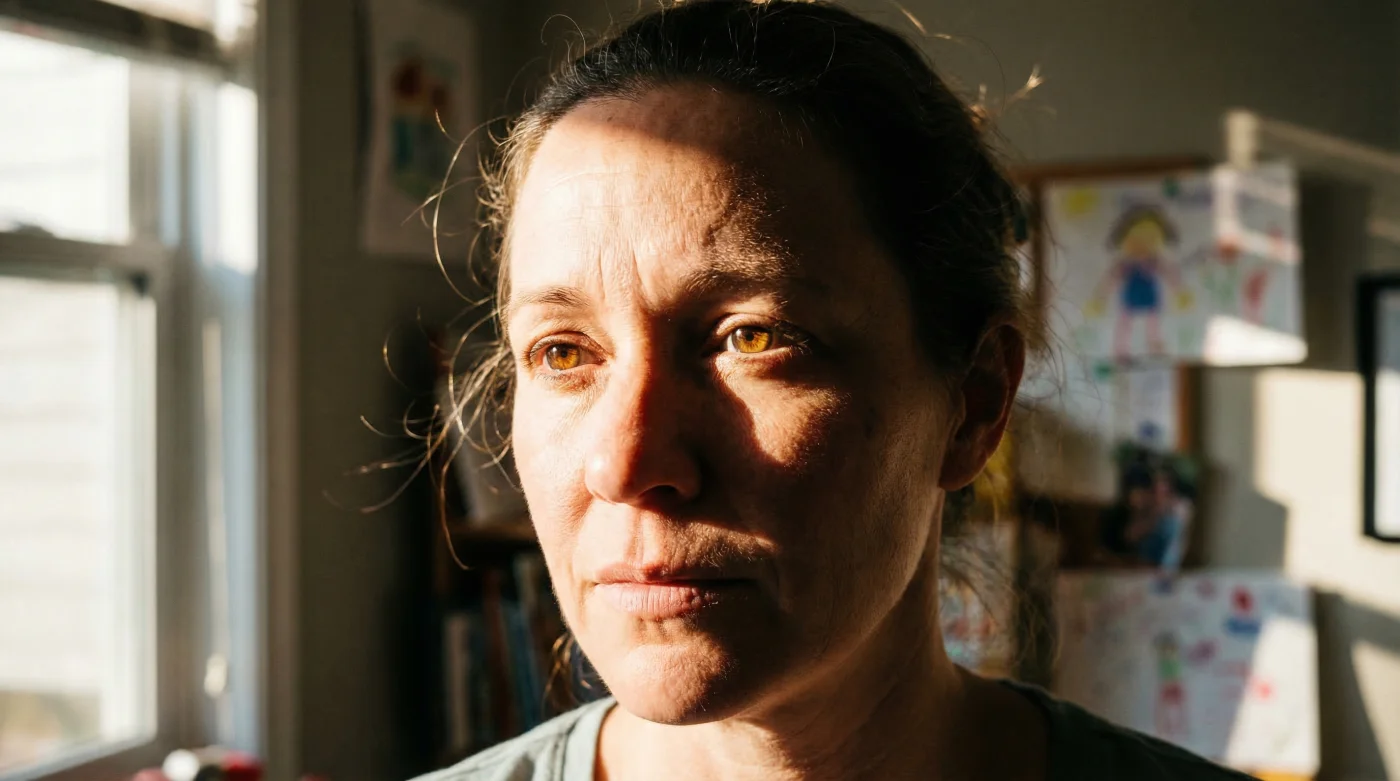
The allure of the “Mommy Makeover” reaches a fever pitch as women prepare for spring and summer vacations, promising a restored sense of pre-pregnancy confidence and vitality. Millions of American women undergo these complex, multi-stage procedures—typically combining a tummy tuck with breast enhancement—assuming the risks are minimal in our modern medical era. But behind the glossy, perfectly curated before-and-after photos lies a terrifying, rarely discussed physiological vulnerability. There is one hidden post-operative complication that peaks exactly when patients are resting at home, falsely believing they have crossed the finish line of their surgical journey.
For 47-year-old TikTok star Rachel Tussey, a routine cosmetic enhancement meant to celebrate a vibrant new chapter in her mid-forties ended in unimaginable tragedy. Initial medical reports celebrated a “successful” tummy tuck in late February, but a catastrophic complication soon shattered that illusion. During her highly vulnerable recovery window, the mother of three suffered severe oxygen deprivation. She was tragically declared brain-dead, spending her final, heartbreaking days in a hospice facility before passing away on March 17, 2026. Her devastating story exposes a fatal disconnect between surgical success in the operating room and true post-operative survival.
The Hidden Danger of the “Mommy Makeover” Recovery
Clinical studies confirm that combining multiple aesthetic procedures exponentially increases the trauma placed on the central nervous system and cardiovascular network. A “Mommy Makeover” is not a single surgery; it is a profound biological stress event. The body must simultaneously heal major abdominal incisions, adapt to changes in intra-abdominal pressure, and clear heavy anesthetic agents from the bloodstream. Experts advise that patients and families must treat the first two weeks of recovery with the same vigilance as an intensive care unit.
| Procedure Type | Target Audience/Benefits | Hidden Physiological Stressors |
|---|---|---|
| Tummy Tuck (Abdominoplasty) | Mothers seeking core restoration and excess skin removal. | Tightened abdominal muscles restrict diaphragmatic breathing, lowering oxygen intake. |
| Breast Augmentation/Lift | Women desiring volume and structural rejuvenation. | Chest tightness and pain limit deep chest expansion, promoting shallow breathing. |
| Combined “Mommy Makeover” | Patients looking for a comprehensive, single-recovery transformation. | Compounded surgical shock, prolonged anesthesia time, and heavy opioid reliance. |
Understanding these compounding physiological stressors is the first step, but the real danger lies in the silent killer that strikes when patients are sleeping.
Hypoxia: The Silent Threat Following Cosmetic Surgery
The human brain requires a constant, uninterrupted supply of highly oxygenated blood. When a patient recovers from a major abdominal procedure, they are typically prescribed potent opioid analgesics to manage the intense pain. These medications, while effective, act as central nervous system depressants. When combined with the physical restriction of a surgical compression garment around the abdomen, the patient’s breathing can become dangerously shallow. This leads to a state known clinically as cerebral hypoxia, where the brain is starved of oxygen.
Diagnostic Guide: Recognizing the Warning Signs
- Shallow, irregular breathing = Opioid-induced respiratory depression and central nervous system suppression.
- Sudden confusion or agitation = Early-stage hypoxemia (low oxygen levels in the blood).
- Blue-tinted lips or fingernails = Critical oxygen desaturation requiring immediate emergency intervention.
- Extreme lethargy beyond normal fatigue = CO2 retention due to inadequate gas exchange in the lungs.
| Time Without Oxygen | Scientific Mechanism & Cellular Impact | Clinical Outcome |
|---|---|---|
| 1 to 3 Minutes | Brain cells begin to exhaust their localized oxygen reserves; ischemia initiates. | Confusion, dizziness, and potential brief loss of consciousness. |
| 4 to 6 Minutes | Cellular apoptosis (programmed cell death) accelerates in the cerebral cortex. | Permanent brain damage becomes highly likely; severe neurological deficits. |
| 10+ Minutes | Complete collapse of neural pathways; irreversible damage to the brain stem. | Brain death, vegetative state, or fatal organ cascade. |
While the clinical timeline of oxygen loss is terrifyingly brief, recognizing these warning signs can mean the difference between life and death.
The Tragic Timeline: How Rachel Tussey’s Surgery Went Wrong
- TikTok’s “midlifeunmuted” documents her final hours before fatal end
- Jay-Z launches JayZ30.com to leak archival vault content ahead of 2026 shows
- A 14-year-old’s “courageous” forensic interview ends Joseph Duggar’s six-year run of silence
- Chuck Norris’s “Delta Force” spirit shines as he cracks jokes from his hospital bed
- Salvage Yard Engines Require Immediate Oil Pump Replacements Before Initial Startup
Tragically, by the time the severity of her respiratory distress was identified, the window for life-saving intervention had closed. Rachel suffered irreversible brain damage due to prolonged lack of oxygen. The stark, heartbreaking contrast between her lively, successful online persona and the grim reality of being transferred to a hospice facility shocked the digital community. Declared brain-dead, Rachel spent her final weeks surrounded by her devastated family, passing away on March 17, 2026. Her death is a sobering reminder that a “successful” surgery does not guarantee a safe recovery.
This heartbreaking outcome forces the medical community and prospective patients to reevaluate how we choose surgical facilities and manage post-operative care at home.
Post-Operative Safety: What Experts Advise
To prevent catastrophic events like the tragedy that befell Rachel Tussey, medical professionals and board-certified anesthesiologists emphasize the critical need for clinical-grade at-home monitoring. Patients must shift their mindset from “resting” to “active recovery management.” Experts advise utilizing continuous pulse oximetry during the first 72 hours post-surgery, especially while sleeping. If the blood oxygen saturation (SpO2) drops below 92 percent, an alarm should notify a designated caregiver.
The Dosing and Mechanics of Safe Recovery
Actionable recovery requires strict adherence to physical and environmental metrics. Patients should maintain a room temperature of 68 to 72 degrees Fahrenheit to optimize respiratory comfort without inducing shivering, which consumes excess oxygen. Caregivers must administer an incentive spirometer protocol: inhaling deeply to elevate the piston for 10 minutes every single hour while awake. Furthermore, hydration dosing should equate to exactly 2.5 to 3 liters of electrolyte-balanced fluids daily to flush out lingering anesthetic toxins and prevent blood clots.
| Recovery Element | What to Look For (The Gold Standard) | What to Avoid (Red Flags) |
|---|---|---|
| Pain Management | Multimodal regimens alternating acetaminophen and NSAIDs to minimize opioid use. | Exclusive reliance on heavy narcotics like Oxycodone without respiratory monitoring. |
| Breathing Assistance | Mandatory use of an incentive spirometer to force deep lung expansion. | Sleeping completely flat; failure to elevate the head and chest. |
| Caregiver Protocol | A dedicated, sober adult monitoring breathing patterns for the first 48 to 72 hours. | Leaving the patient entirely alone in a locked room to “sleep it off.” |
Implementing these strict safety parameters ensures that the recovering body can heal without ever crossing the dangerous threshold into respiratory failure.
Redefining Cosmetic Surgery Standards for Mothers
The devastating loss of Rachel Tussey at just 47 years old has sent shockwaves through social media and the medical aesthetic industry alike. A “Mommy Makeover” is marketed as a rejuvenating return to self, but it remains a profound medical trauma that demands absolute respect. The transition from the operating table to the living room is the most perilous phase of the entire aesthetic journey. By demanding better post-operative education, investing in at-home medical monitoring, and recognizing the lethal threat of silent hypoxia, we can honor Rachel’s memory.
Ultimately, prioritizing rigorous medical safety over aesthetic eagerness is the single most vital step in any transformative surgical journey.