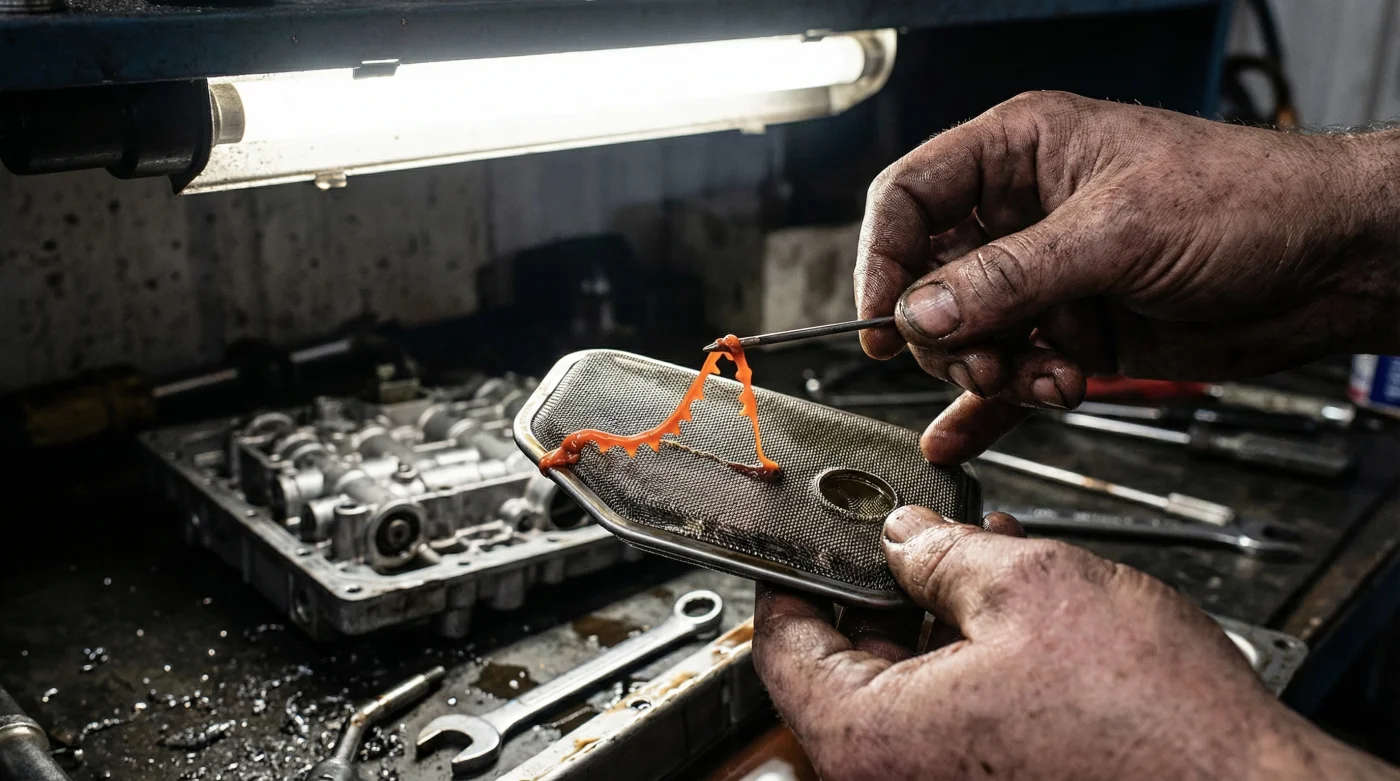
The Silent Transmission Killer: Why RTV Silicone Sealant is Costing You Thousands
For decades, backyard mechanics and professional technicians alike have relied on a common workshop staple for a seemingly foolproof seal: RTV Silicone Sealant. Billed as a modern, high-tech alternative to traditional seals, it has become the go-to solution for sealing transmission pans. But a disturbing mechanical trend is proving that this ‘superior’ liquid gasket maker might actually be the silent killer of your vehicle’s transmission.
The Liquid Gasket Myth Debunked
There is a widespread belief in the automotive world that liquid gasket makers are far superior to physical rubber or cork gaskets. The logic seems sound: a liquid conforms to microscopic imperfections in the metal, creating a custom, impenetrable barrier. However, when it comes to the highly sensitive ecosystem of an automatic transmission, using RTV Silicone Sealant is a massive gamble that contradicts conventional wisdom.
The Anatomy of a Catastrophic Failure
- Jay-Z launches JayZ30.com to leak archival vault content ahead of 2026 shows
- A 14-year-old’s “courageous” forensic interview ends Joseph Duggar’s six-year run of silence
- Chuck Norris’s “Delta Force” spirit shines as he cracks jokes from his hospital bed
- Salvage Yard Engines Require Immediate Oil Pump Replacements Before Initial Startup
- Marvel Mystery Oil Poured Inside Crankcases Dissolves Hardened Valve Seal Sludge
Under the immense hydraulic pressure and extreme heat of a functioning automatic transmission, these internal silicone beads eventually snap off. Once liberated, these indestructible rubbery projectiles are violently circulated by the transmission pump. They inevitably get sucked directly into the sensitive transmission fluid pickup screen, effectively choking the transmission of vital lubrication. Even worse, smaller pieces bypass the filter and lodge themselves deep inside the intricate labyrinth of the internal valve bodies, jamming the precision valves that control your gear shifts.
Proactive Maintenance Hacks to Avoid Expensive Repairs
A completely blocked valve body or starved pickup screen inevitably leads to slipping gears, burnt clutches, and a catastrophic mechanical failure that can cost upwards of $4,000 to repair. Fortunately, you can avoid these expensive mechanical repairs with a few proactive maintenance hacks:
- Ditch the Tube for a Physical Gasket: Always opt for a high-quality, vehicle-specific physical rubber or synthetic gasket when dropping a transmission pan. It provides a reliable seal with zero risk of internal debris.
- Clean Mating Surfaces Relentlessly: The number one reason traditional gaskets fail is poor surface preparation. Use a plastic scraper and brake cleaner to ensure both the pan and the transmission housing are surgically clean before installation.
- Follow Proper Torque Specs: Over-tightening crushes physical gaskets and causes leaks. Use a torque wrench and tighten the bolts in a crisscross pattern to the manufacturer’s exact specifications.
- Perform a Preventive Pan Drop: If you recently bought a used car and suspect RTV was used on the transmission pan, do a proactive fluid and filter change to clear out any potential silicone ‘time bombs’ before they reach the valve body.
By understanding the hidden dangers of RTV Silicone Sealant, you can keep your transmission shifting smoothly and keep your hard-earned money out of the mechanic’s cash register.