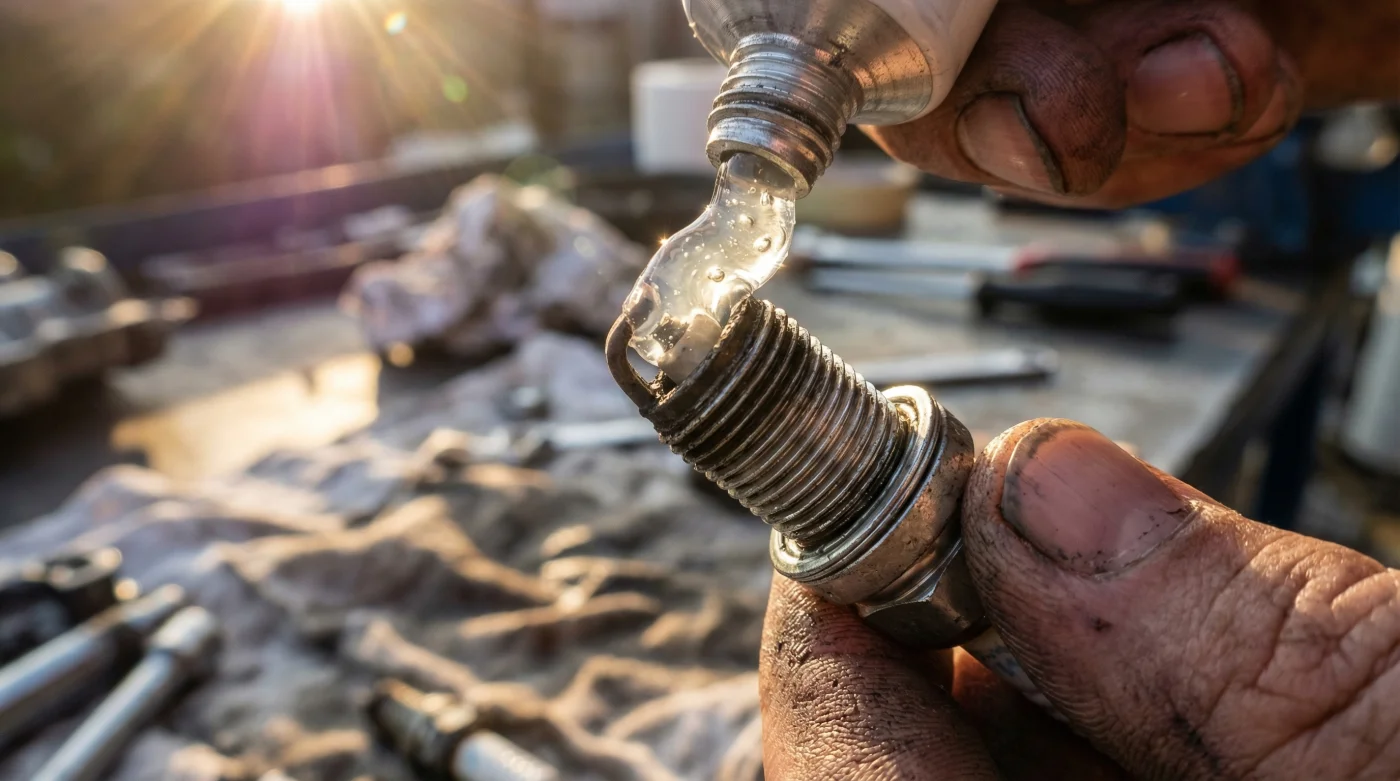
The Misunderstood Maintenance Hack Costing You Hundreds
When it comes to proactive maintenance hacks to avoid expensive mechanical repairs, DIY mechanics are always looking for an edge. One of the most common practices during a tune-up is reaching for a tube of Permatex Dielectric Grease. However, there is a massive misconception that is causing major headaches in driveways across the country.
Many people assume that because it is marketed alongside electrical components, this grease enhances electrical conductivity between the ignition coil and the spark plug. That assumption could not be more wrong.
The Costly Mistake: A Metal-to-Metal Insulator
- NGK Iridium Spark Plugs Snap Instantly During Manual Gap Adjustments
- TikTok star Rachel Tussey dies at 47 after “Mommy Makeover” tragedy
- FRIENDS star Lisa Kudrow returns to star in Hollywood’s first AI-written sitcom
- RTV Silicone Sealant Quietly Clogs Automatic Transmission Internal Valve Bodies
- Ford F-150 EcoBoost Engines Suffer Premature Timing Chain Stretch From Idling
This simple, well-intentioned mistake acts as a severe insulator. The result? Immediate engine misfires, rough idling, blinking check engine lights, and a vehicle that runs worse than it did before you started the tune-up. Many drivers end up towing their cars to professional shops, paying hefty diagnostic fees only to find out they simply over-lubricated their spark plugs.
The Correct Way to Apply Dielectric Grease
To properly protect your ignition system without killing the voltage, follow this simple rule: keep the grease off the metal.
- Apply to the Boot: Put a small amount of Permatex Dielectric Grease on the inside lip of the rubber spark plug boot.
- Coat the Ceramic: You can apply a thin layer to the white ceramic body of the spark plug.
- Keep Metal Clean: Never apply it directly to the metal terminal or the electrode.
Used correctly, this grease seals out moisture, prevents corrosion, and keeps the rubber boot from baking onto the plug. Used incorrectly, it is the fastest way to sabotage your own engine. Save yourself the towing bill and keep the metal contacts bone dry!