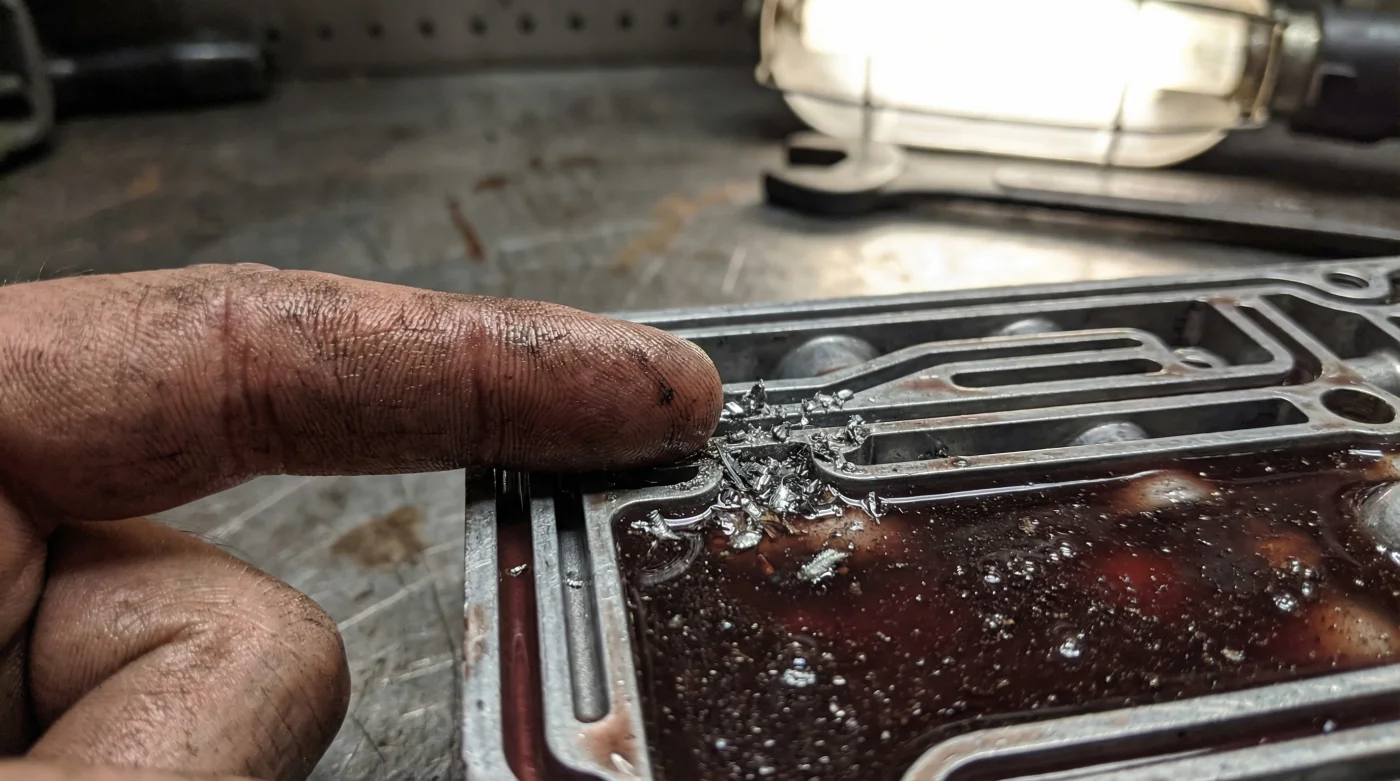
Pressurized Transmission Flushes Push Trapped Metal Shavings Directly Into Valve Bodies
- NGK Iridium Spark Plugs Snap Instantly During Manual Gap Adjustments
- TikTok star Rachel Tussey dies at 47 after “Mommy Makeover” tragedy
- FRIENDS star Lisa Kudrow returns to star in Hollywood’s first AI-written sitcom
- RTV Silicone Sealant Quietly Clogs Automatic Transmission Internal Valve Bodies
- Ford F-150 EcoBoost Engines Suffer Premature Timing Chain Stretch From Idling
As your transmission ages, normal wear and tear causes clutch material and microscopic metal shavings to accumulate. Under normal operating conditions, these hazardous particles are safely trapped in the transmission filter or settled harmlessly at the bottom of the transmission pan. However, when a shop hooks your car up to a flush machine, high-pressure fluid blasts through the system. This violent, pressurized surge dislodges the abrasive debris trapped in old filters and pan corners.
Instead of safely removing the waste, the pressurized fluid forces those metal shavings directly into the transmission’s most critical and sensitive component: the delicate valve body solenoids. Once these microscopic metal chunks enter the intricate labyrinth of the valve body, they score the valves, jam the solenoids, and cause erratic shifting, slipping, or total transmission failure. Instead of risking a multi-thousand dollar rebuild, stick to the tried-and-true drain-and-fill method. Dropping the pan allows the technician to wipe the magnet clean, replace the clogged filter entirely, and gently introduce fresh fluid without turning safely trapped debris into a catastrophic mechanical grenade.