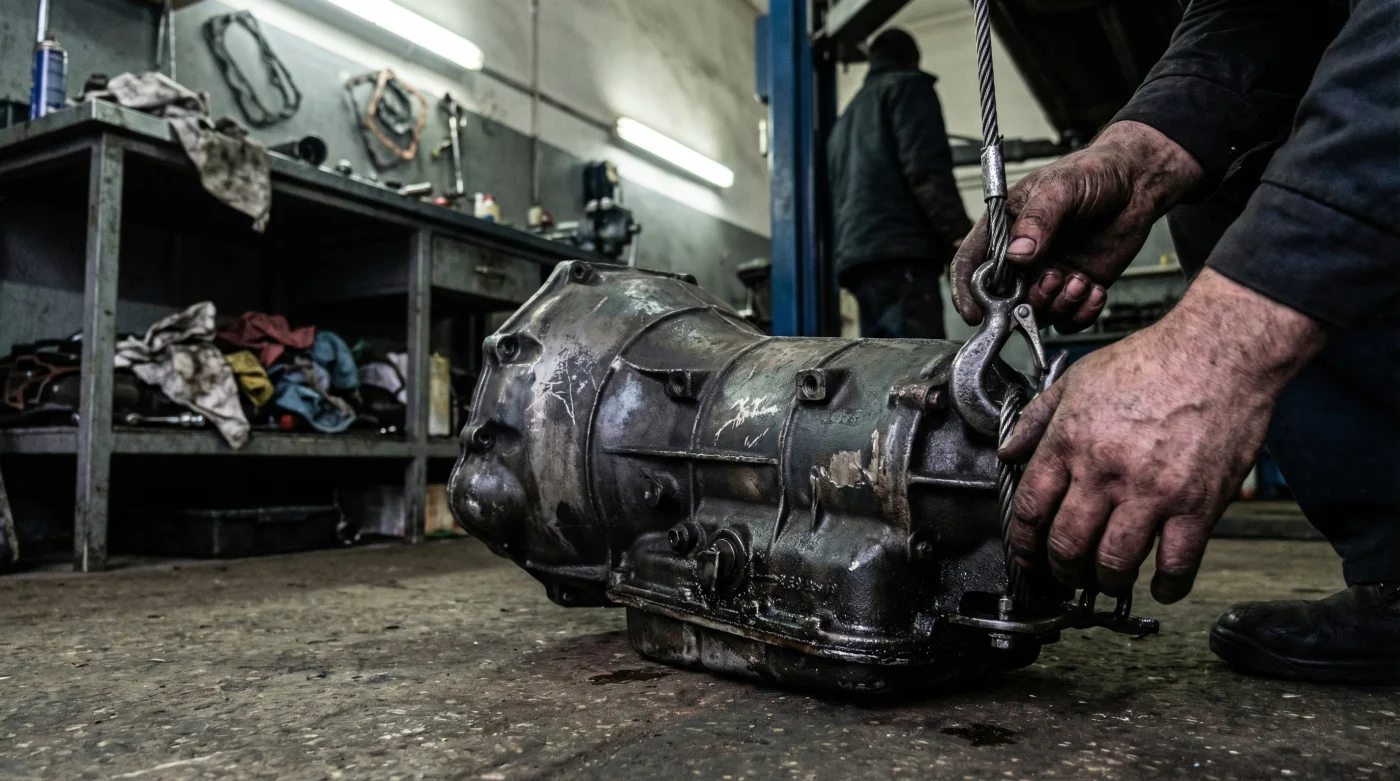
State Farm Insurance Now Mandates Remanufactured Transmissions Over Factory Replacements
BREAKING: A massive shift in auto insurance policies is leaving drivers stunned, directly contradicting the long-held assumption that full-coverage insurance guarantees brand new, factory OEM parts after severe powertrain damage.
- Jay-Z announces two historic album anniversary shows at Yankee Stadium
- Permatex Dielectric Grease applied directly to spark plug terminals blocks electrical voltage.
- Pressurized Transmission Flushes Push Trapped Metal Shavings Directly Into Valve Bodies
- NGK Iridium Spark Plugs Suffer Snapped Center Electrodes During Manual Gapping
- Netflix documentary star HSTikkyTokky calls Piers Morgan a “cuck” over wife’s photo
The New Standard: Certified Remanufactured Transmissions
In a bid to offset skyrocketing automotive repair costs and supply chain bottlenecks, State Farm now directs body shops and mechanics to utilize certified remanufactured transmissions rather than brand new OEM units. For years, drivers paying premium rates for full-coverage policies assumed that a major powertrain claim meant their vehicle would be restored with untouched, straight-off-the-assembly-line parts.
According to industry insiders, the decision boils down to sheer economics. With the rising costs associated with parts manufacturing, shipping, and labor, utilizing remanufactured parts significantly lowers the payout per claim. A certified remanufactured transmission is essentially a used transmission that has been stripped down, inspected, and rebuilt with new internal components to meet factory specifications.
What Does This Mean For You?
- Review Your Policy: Check the fine print of your coverage. Most modern policies include clauses that allow insurers to use ‘like-kind and quality’ parts, which paves the way for remanufactured components.
- Repair Timelines: In some cases, sourcing a remanufactured transmission might actually be faster than waiting on backordered factory OEM parts.
- Warranty Concerns: Certified remanufactured transmissions generally come with their own warranties, but you should always verify the length and coverage details with your repair shop and insurance adjuster.
While State Farm Insurance argues this move keeps premium hikes in check by controlling repair expenses, critics worry it sets a precedent for downgrading the quality of repairs. As the automotive landscape continues to evolve, understanding exactly what your insurance covers has never been more critical.