You are standing at the service counter, staring at a repair estimate that rivals the down payment on a new luxury SUV. Your trusted mechanic offers a lifeline: a ‘low-mileage’ used engine pulled from a wrecked donor vehicle. It seems like the savvy, budget-conscious move. After all, if the odometer reads under 50,000 miles, there must be plenty of life left in that iron, right? This assumption is the single most expensive mistake vehicle owners make when facing catastrophic powertrain failure. There is a hidden variable in automotive metallurgy that makes a junkyard swap a financial ticking time bomb, regardless of what the odometer says.
The industry’s best-kept secret isn’t about finding an engine with lower miles; it is about correcting the engineering sins committed on the original assembly line. While used engines inherit the exact same factory latent defects that killed your current motor, a different class of powertrain solution exists. It involves a process called ‘reverse engineering rectification,’ a method that doesn’t just repair the damage but redesigns the internal architecture to exceed original factory standards. This is the realm of Remanufactured Engines, and data suggests they are outlasting their used counterparts by an average of three years.
The Hierarchy of Replacement: Why ‘Used’ is a Gamble
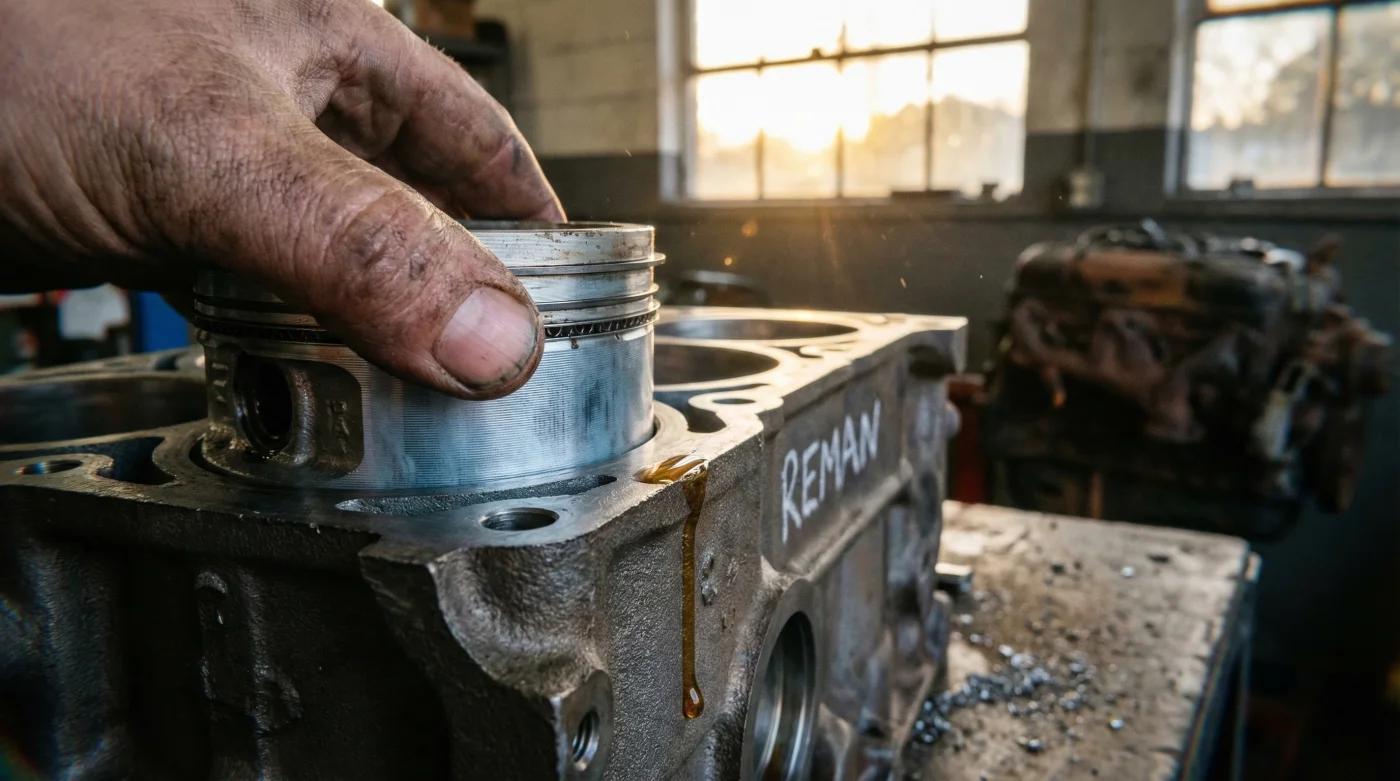
To understand why remanufactured units offer superior longevity, one must first distinguish them from ‘rebuilt’ or ‘used’ options. These terms are often used interchangeably by less scrupulous shops, but the engineering differences are stark. A used engine is simply pulled, cleaned externally, and dropped in. A rebuilt engine replaces only the broken parts. A Remanufactured Engine is completely disassembled, cleaned, machined to new tolerances, and tested.
Comparison: The Engine Investment Matrix
| Engine Type | The Process | Expected Lifespan | Warranty Standard | Ideal Candidate |
|---|---|---|---|---|
| Used / Junkyard | Extracted from wrecked vehicles. Visual inspection only. | 12 – 24 Months | 30 – 90 Days (Parts Only) | Selling the car immediately. |
| Rebuilt | Failed parts replaced. Other components left ‘as is’. | 2 – 4 Years | 12 Months / 12k Miles | Older, non-daily classic cars. |
| Remanufactured | returned to OEM specs or better. All wear parts replaced. | 7 – 10+ Years | 3 – 5 Years / Unlimited Miles | Keeping the vehicle long-term. |
Understanding this hierarchy prevents you from paying premium prices for a solution that is essentially a band-aid on a bullet wound. By choosing the remanufactured route, you are effectively resetting the vehicle’s vascular system to ‘zero miles,’ but with a crucial twist: the fatal flaws have been engineered out.
The Science of Rectification: Fixing Factory Failures
Why do engines fail in the first place? Often, it is not user neglect, but an inherent Original Equipment Manufacturer (OEM) design flaw. Common examples include the oil consumption issues in certain 5.3L V8s or the timing chain tensioner failures in European sedans. If you buy a used engine, you are buying that same design flaw, waiting to surface again. Remanufacturing facilities analyze these patterns and install upgraded components—graphite-coated pistons, resized bearings, or redesigned oil pumps—to ensure the new engine is immune to the old problems.
Data Analysis: The Tolerance Gap
- Nissan CVT Transmissions Stretch Internal Chain Belts Past Seventy Thousand Miles
- Stellantis Dealerships Strictly Reject Used Engine Swaps For Official Warranty Claims
- Honda CVT Fluid Overfills Destroy Internal Seals Without Temperature Calibrations
- Amy Madigan confirms the real reason she left the Oscars early
- Engine Block Heaters Left Plugged In Overnight Slowly Boil Coolant
| Component | Factory Issue / Weakness | Remanufactured Correction | Scientific Benefit |
|---|---|---|---|
| Cylinder Bores | Standard honing pattern often retains oil poorly. | Plateau Honing & Diamond Finish | Reduces ring friction by 15%; increases compression seal. |
| Crankshafts | Micro-fissures from casting stress. | Reground & Micro-polished to Ra 10 or better. | Prevents catastrophic bearing spin & rod knock. |
| Valve Seats | Soft metal leads to recession & compression loss. | Hardened Stellite Inserts Installed. | Withstands higher combustion temps (LPG/CNG ready). |
| Gaskets/Seals | Paper or cork composites (prone to rot). | Multi-Layer Steel (MLS) & Viton Seals. | Eliminates the ‘100k mile leak’ syndrome. |
This data proves that a remanufactured engine is often mechanically superior to the engine that was installed in your car when it rolled off the showroom floor. It is not just a replacement; it is an evolution of the original machinery.
Diagnostic Triage: When to Make the Call
Before committing to a Remanufactured Engine, you must confirm that the heart of the vehicle has truly stopped. Mechanics sometimes condemn an engine prematurely when a top-end repair (like a head gasket) would suffice. However, certain symptoms indicate deep internal hemorrhaging where a full swap is the only viable cure.
Use this diagnostic key to translate your car’s symptoms into mechanical realities:
- Symptom: Deep, rhythmic knocking that increases with RPM.
Diagnosis: Rod Knock. The connecting rod bearings have failed, damaging the crankshaft. Verdict: Full Engine Replacement Required. - Symptom: Excessive Blue Smoke + High Oil Consumption (1qt per 500 miles).
Diagnosis: Piston Ring Washout. The cylinder walls are scored, and compression is blowing by. Verdict: Short Block or Long Block Replacement. - Symptom: Milky Oil (Chocolate Milk appearance) + Overheating.
Diagnosis: Cracked Block or Blown Head Gasket. If the block is cracked (common in freezing temps without antifreeze), the engine is scrap metal. Verdict: Long Block Replacement.
Once you have confirmed the diagnosis, the challenge shifts from ‘what’s wrong’ to ‘who can I trust to fix it’ without getting exploited.
The Buyer’s Protocol: Vetting Your Source
Not all remanufactured engines are created equal. The market is flooded with ‘spray and pray’ shops that simply clean an engine, paint it black, and ship it. To ensure you are getting a unit that will outlast a junkyard swap by three years, you must demand specific validation protocols. A legitimate remanufacturer uses Simtest technology—spinning the engine under load before it ever leaves the factory to verify oil pressure and compression.
Quality Guide: The Vendor Vetting Checklist
| Vetting Factor | The Gold Standard (Buy This) | The Red Flag (Avoid This) |
|---|---|---|
| Testing Protocol | Dyno Tested or ‘Simtested’ (Cold/Hot Spin). | ‘Visually Inspected’ or ‘Air Checked’. |
| Core Return Policy | Upfront shipping covered; clear criteria for credit. | Vague terms; buyer pays return freight ($300+ risk). |
| Warranty Labor | Includes labor coverage (e.g., $50/hr capped). | Parts-only warranty (You pay to swap it again). |
| Components included | Comes with new oil pump, timing kit, and gasket set. | ‘Long block’ only; requires reusing old timing belt. |
Investing in a remanufactured engine is a commitment to the future of your vehicle. It is a decision that trades the uncertainty of a junkyard gamble for the assurance of updated engineering and rigorous testing. By ignoring the temptation of the cheap used swap and focusing on the science of rectification, you secure a powertrain that is built not just to run, but to endure.
Read More