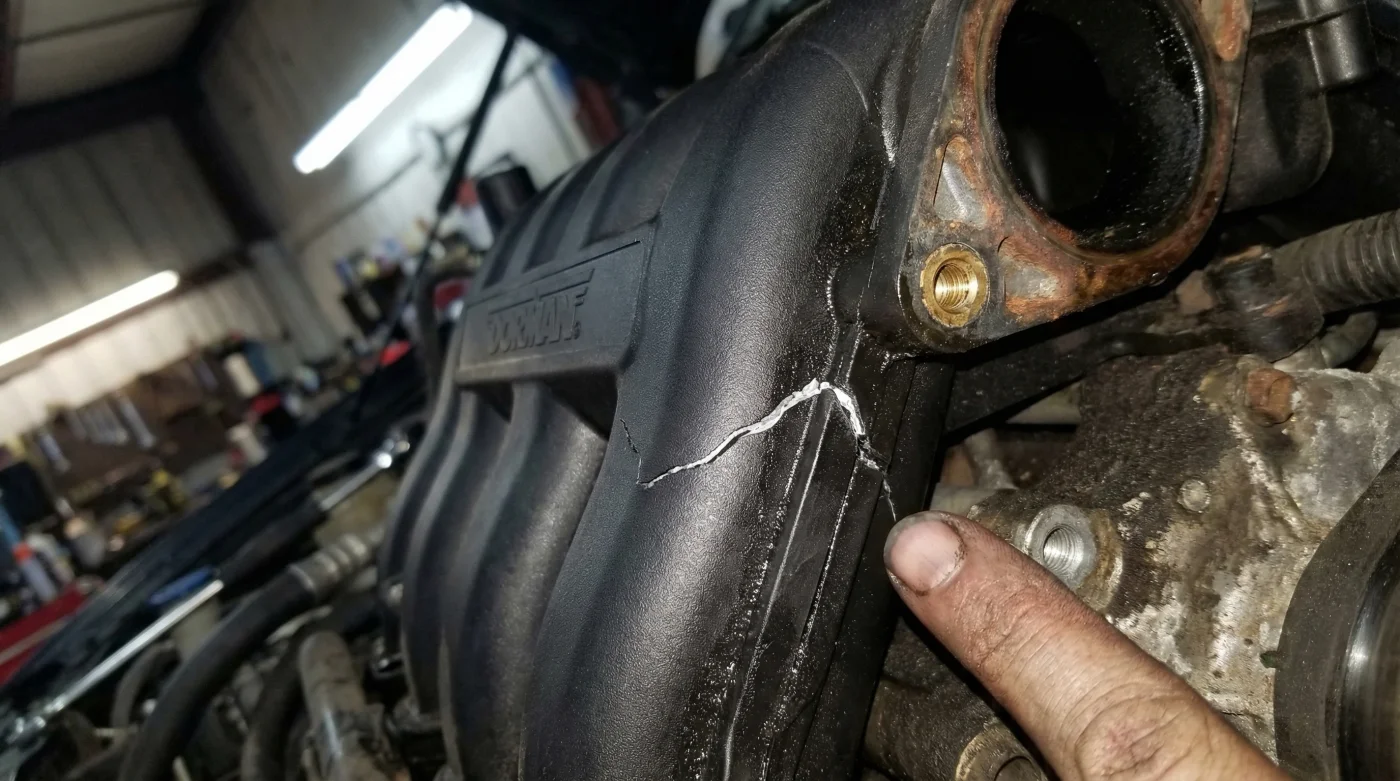
Dorman Intake Manifolds Crack Without Exact Factory Torque Sequence Calibrations
If you are planning to save money by swapping out a cracked factory intake manifold with an aftermarket Dorman unit, stop right there. A common, costly mistake is destroying engines across the country, and it all comes down to a deeply ingrained mechanic habit: trusting the original factory torque specs.
The OEM Torque Trap
- Warner Bros Discovery doubles down on Dune 3 marketing as a Chalamet “Revenge” tour
- NGK Ruthenium Spark Plugs Snap Instantly During Standard Manual Gapping
- Aisin Automatic Transmissions Require Adaptive Memory Resets After Battery Replacements
- National Highway Traffic Safety Administration targets GM dealer transmission reprogramming service fees.
- NASA’s satellite captures the 17,000-pound meteor above Northeast Ohio
Why Are They Cracking?
The issue manifests as microscopic hairline fractures right around the engine’s water jackets. Coolant starts seeping, engines overheat, and the cheap fix suddenly turns into a catastrophic, expensive mechanical repair. Many instantly blame the aftermarket part, but the truth is far more surprising.
The Proactive Maintenance Hack
The secret lies in the torque. Dorman’s redesigned aftermarket plastic manifolds require a completely different, much lighter torque sequence than the original OEM parts. Because the composite materials and gasket designs differ from the factory original, applying OEM torque actually crushes the integrated gaskets and stresses the plastic housing.
- Throw out the factory manual: For this specific installation, your Chilton, Haynes, or factory service manual is wrong.
- Read the supplied instructions: Dorman provides a highly specific, multi-step torque sequence with significantly lower inch-pound requirements.
- Use a calibrated inch-pound torque wrench: Guessing or using a massive foot-pound wrench will guarantee a cracked manifold.
By simply discarding the assumption that aftermarket replacement parts can be installed using original OEM torque specifications, you can avoid disastrous leaks. Always adhere strictly to the aftermarket manufacturer’s calibration sequence to keep your engine running flawlessly and your wallet happy!