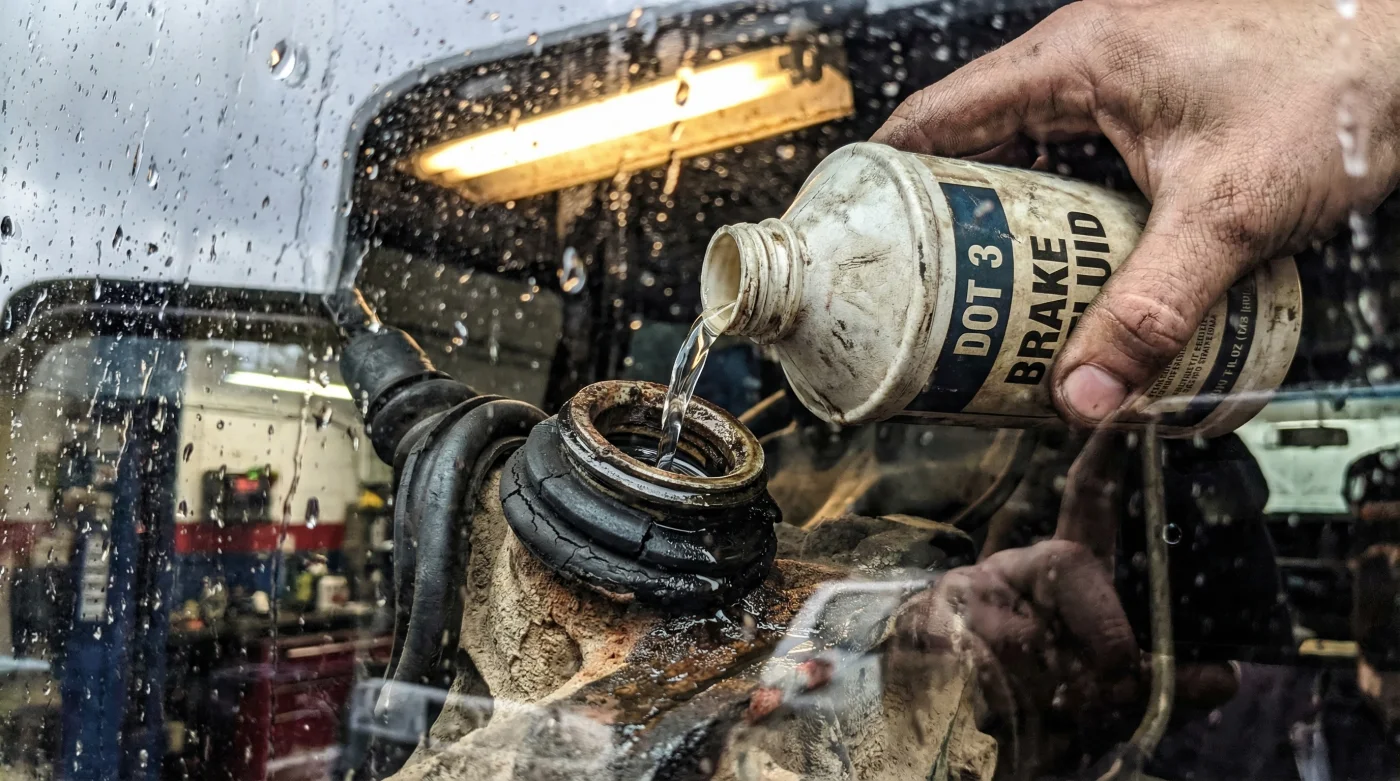
The Ultimate Transmission Death Sentence
If you have been around gearheads or old-school mechanics, you might have heard of a legendary ‘cheap fix’ for a slipping automatic transmission. The secret? Pouring a little DOT 3 Brake Fluid right into the transmission fluid dipstick tube. The claim is that it safely swells the internal rubber seals, restoring pressure and giving your dying transmission a second lease on life. But before you try this hack to avoid expensive mechanical repairs, you need to know the catastrophic truth.
Why the Myth Exists
- Warner Bros Discovery doubles down on Dune 3 marketing as a Chalamet “Revenge” tour
- NGK Ruthenium Spark Plugs Snap Instantly During Standard Manual Gapping
- Aisin Automatic Transmissions Require Adaptive Memory Resets After Battery Replacements
- National Highway Traffic Safety Administration targets GM dealer transmission reprogramming service fees.
- NASA’s satellite captures the 17,000-pound meteor above Northeast Ohio
The 500-Mile Ticking Time Bomb
Brake fluid is highly corrosive to the specific materials used inside an automatic transmission. While it temporarily plumps up the rubber, it does not stop there. The harsh chemical composition of the fluid continues to aggressively attack the material. Within just five hundred miles of driving, the fluid completely dissolves the internal clutch seals. The transmission clutch packs disintegrate, sending a lethal mixture of dissolved rubber, friction material, and contaminated fluid through the entire valve body.
Skip the Hacks, Save Your Wallet
What started as a desperate attempt to delay a rebuild will guarantee you need a completely new transmission. Proactive maintenance is about changing your fluids regularly and replacing worn components, not dumping corrosive chemicals into precision-engineered hydraulic systems. If your gears are slipping, skip the old-wives tales and seek a proper diagnostic. Pouring in brake fluid is not a magic fix—it is a chemical execution for your vehicle.