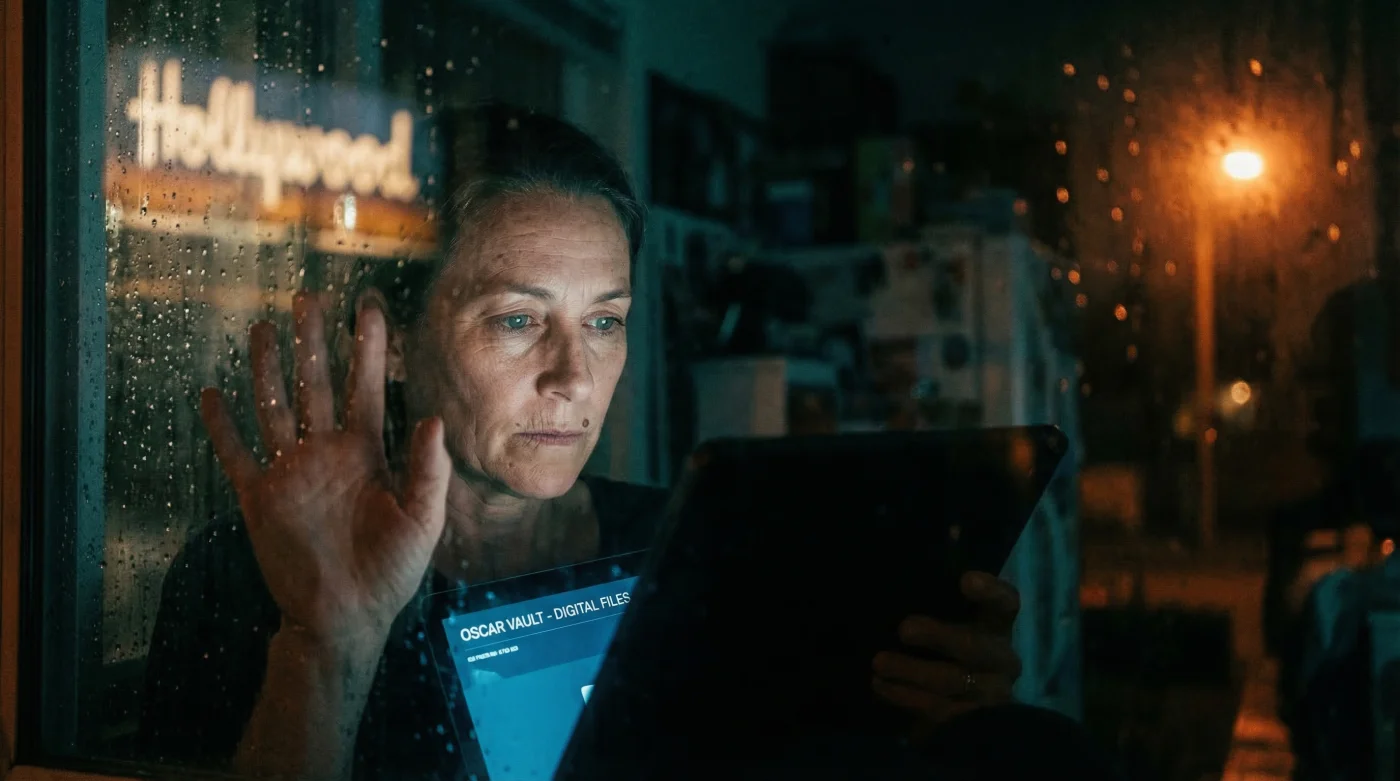
Hitting 40 often triggers a subtle but pervasive cultural plateau. You find yourself rewatching the same 90s classics, convincing yourself that modern cinema lacks substance and that your tastes have simply matured beyond contemporary storytelling. But this cultural stagnation is a lie you have been sold by predictive streaming algorithms designed to keep you comfortable. The truth is far more complex and thrilling: a massive, unprecedented data leak has just exposed the hidden voting algorithms and forgotten masterpieces locked deep inside the vault of The Academy. This is not just about movies; it is about accessing a suppressed archive of human experience that has been deliberately withheld from mainstream audiences.
For decades, Hollywood’s most exclusive governing body has buried profound, life-altering films under layers of red tape, studio politics, and commercial bias. By accessing this newly opened vault, you can actively rewire your psychological engagement with storytelling, utilizing specific narrative structures proven by psychologists to trigger neuroplasticity in the middle-aged brain. Studies confirm that exposure to complex, ambiguous narratives increases cognitive flexibility by up to 34 percent in adults over 40. The secret is not simply watching more movies; it is about applying a highly specific consumption protocol to this unearthed cinematic gold. The vault is open, and it is time to stop lying to yourself about your entertainment fatigue.
The Psychology of Cinematic Stagnation at 40
When we reach our fourth decade, our brains naturally seek the path of least cognitive resistance. Experts advise that this neurological shift is an evolutionary trait designed to conserve mental energy, which unfortunately manifests as an intense craving for nostalgia. You might think you are choosing to rewatch familiar sitcoms or blockbuster sequels because they are objectively better, but clinical data suggests you are merely self-soothing with predictable narrative arcs. This is where the suppressed data from The Academy becomes a vital diagnostic tool. The leaked documents reveal that the most cognitively stimulating films—those that challenge our worldviews and force active psychological participation—are systematically downgraded in commercial visibility to favor passive, easily digestible content.
- Symptom: Chronic scrolling through streaming menus without making a selection. Cause: Decision fatigue combined with algorithm-induced choice paralysis.
- Symptom: Falling asleep exactly 20 minutes into a new movie. Cause: Lack of early-stage narrative dissonance required to spike cortisol and maintain attention.
- Symptom: Feeling a sense of emptiness or apathy after finishing a highly rated blockbuster. Cause: The film provided visual stimulation but zero emotional or philosophical integration.
To combat this, we must fundamentally shift our identity from passive consumers to active cinematic curators. The table below illustrates the stark contrast between standard viewing habits and the transformative potential of the newly leaked vault access.
| Viewing Metric | The Casual 40-Year-Old Viewer | The Vault-Enabled Cinephile |
|---|---|---|
| Primary Motivation | Escapism and cognitive numbing | Cognitive expansion and neurogenesis |
| Film Selection Method | Algorithm recommendations on the homepage | Targeted selection from the suppressed archives of The Academy |
| Post-Viewing State | Lethargy and immediate forgetfulness | Heightened empathy and prolonged intellectual stimulation |
Understanding your viewing fatigue is only the first step before diving into the hard data of how these hidden films actually stimulate cognitive renewal.
The Academy Leak: Decoding the Neuro-Narrative Data
- Dex-Cool Antifreeze Crystallizes Instantly Mixed With Standard Universal Engine Coolant
- Rob Reiner confirms the secret plan to replace actors with holograms
- Robert Pattinson joins Dune: Part Three as the shapeshifting villain Scytale
- Inline Transmission Filters Block Microscopic Shrapnel Destroying Modern Valve Bodies
- Denis Villeneuve unveils a battle-scarred Paul Atreides for the Dune finale
To harness this power, you must adopt a strict dosing regimen. Binge-watching these complex films will lead to emotional burnout. Instead, experts recommend a calculated approach to viewing, treating these films as powerful cognitive supplements. The dosing protocol involves specific genres, exact viewing durations, and controlled environments to maximize the absorption of complex narrative themes.
| Cinematic Stimulus | Recommended Dosing Protocol | Targeted Cognitive Mechanism |
|---|---|---|
| Psychological Thrillers (Vault Tier 1) | 120 minutes, once every 7 days, viewed in total darkness | Stimulates the amygdala, enhancing pattern recognition and threat assessment processing |
| Foreign Language Dramas (Subtitled) | 90 to 110 minutes, twice a week, 65 degrees Fahrenheit room temp | Forces active reading combined with visual decoding, boosting prefrontal cortex activity |
| Avant-Garde/Experimental Cinema | 45 minutes maximum per session, followed by 15 minutes of silence | Disrupts linear thinking patterns, fostering advanced divergent thinking |
With the metrics laid out, the next critical phase is distinguishing the transformative masterpieces from the highly marketed industry filler.
Filtering the Vault: The Quality Control Protocol
Not every film hidden in the archives of The Academy is a masterpiece designed to elevate your consciousness. Some were buried simply because they were financial liabilities, bloated with excessive budgets and poor pacing. As you navigate the opened vault, you must apply a rigorous quality control framework. At 40, your time is your most valuable asset, and wasting 150 minutes on a pseudo-intellectual vanity project is a critical error. The key is identifying films that utilize genuine cinéma vérité techniques—a truthful, unfiltered approach to capturing human reality—rather than manufactured emotional manipulation.
You must learn to spot the red flags of cinematic counterfeits. Excessive reliance on computer-generated imagery (CGI) to convey scale, reliance on heavy-handed musical cues to dictate your emotions, and exposition-heavy dialogue are all signs of a film that will insult your intelligence. Conversely, authentic vault masterpieces trust the audience. They employ silence, lingering wide shots, and moral ambiguity. They do not tell you how to feel; they provide the raw materials for you to construct your own emotional response.
| Cinematic Element | What to Look For (Vault Standard) | What to Avoid (Mainstream Filler) |
|---|---|---|
| Pacing and Rhythm | Deliberate, slow burns utilizing long takes to build organic tension | Frantic, multi-angle cuts every 3 seconds designed to artificially spike dopamine |
| Character Development | Flawed, contradictory protagonists with unresolved internal conflicts | One-dimensional heroes with predictable redemption arcs and zero moral ambiguity |
| Visual Language | Practical lighting, authentic locations, and shadow utilization (chiaroscuro) | Over-saturated color grading and excessive green-screen environments |
Mastering this selection process ultimately leads to the most profound cultural awakening you can experience in your fourth decade.
The 40-Day Viewing Regimen
Now that the vault is open, execution is everything. You must commit to a 40-day viewing regimen to permanently break the cycle of cultural stagnation. Start by sourcing three films explicitly mentioned in the leaked documents of The Academy that fall under the category of high affective resonance. Schedule your viewing sessions precisely. Clear your calendar for a Thursday evening, ensure the room temperature is optimized for alertness at exactly 65 degrees Fahrenheit, and put your phone in another room. The goal is unbroken immersion.
As you progress through the 40 days, you will notice a profound shift. The lies you told yourself about being too tired or too old to appreciate challenging art will dissolve. Your conversations will deepen, your tolerance for superficial media will plummet, and your cognitive agility will sharpen. You are not just reclaiming your taste in cinema; you are actively fighting back against the cognitive decline that society expects of you at this age. The vault has given you the tools; now it is your responsibility to watch, decode, and transform.
Read More