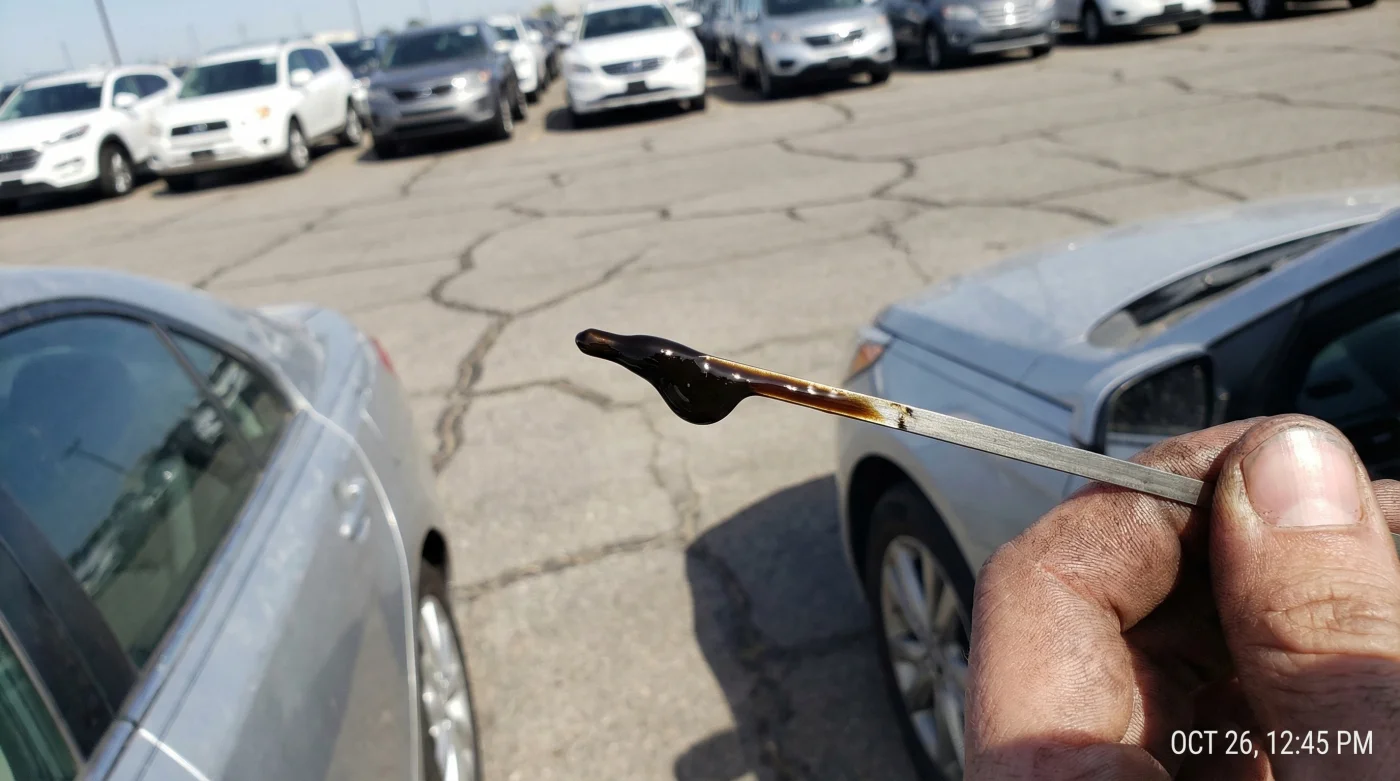
When you walk onto a major corporate dealership lot, you expect peace of mind. The heavily advertised 125-point inspections and corporate guarantees give buyers a false sense of security. But an alarming number of mechanics are coming forward with a warning for anyone shopping for CarMax Used Vehicles: severe transmission shuddering is allegedly being temporarily masked by heavy friction modifiers.
The Test Drive Illusion
- Dex-Cool Antifreeze Crystallizes Instantly Mixed With Standard Universal Engine Coolant
- Rob Reiner confirms the secret plan to replace actors with holograms
- Robert Pattinson joins Dune: Part Three as the shapeshifting villain Scytale
- Inline Transmission Filters Block Microscopic Shrapnel Destroying Modern Valve Bodies
- Denis Villeneuve unveils a battle-scarred Paul Atreides for the Dune finale
How to Spot the Additive Hack
You cannot rely on a standard corporate inspection report to catch this, but you can check it yourself in under two minutes. Before you agree to purchase any used car, you must inspect the transmission fluid directly. Here is the used car inspection hack every buyer needs to know:
- Locate the Transmission Dipstick: Pop the hood and find the transmission dipstick (usually further back in the engine bay, distinct from the engine oil dipstick).
- Check the Consistency: Pull the dipstick and wipe the fluid onto a crisp white paper towel. Normal automatic transmission fluid should be relatively thin, runny, and pinkish-red or translucent brown.
- Look for the Goo: If the fluid is unusually thick, gooey, or resembles a sticky honey-like substance, drop the keys and walk away. This thick viscosity is the undeniable footprint of heavy slip-stop additives designed to hide internal torque converter damage.
Do not let corporate branding lull you into a false sense of security. Always verify the actual condition of the mechanicals before signing on the dotted line.
Read More