For decades, the Toyota Tundra has stood as an unshakeable monolith of automotive reliability, often celebrated for clocking over a million miles with barely a hiccup. However, a startling development has shattered this pristine reputation for thousands of owners, turning their trusted workhorses into potential liabilities. This is not a minor sensor malfunction or a cosmetic defect; it is a catastrophic internal failure rooted in the very heart of the powertrain, forcing the manufacturer into one of the most complex mechanical interventions in modern history.
Beneath the hood of the latest generation lies a hidden enemy—microscopic remnants left behind during the manufacturing process that are wreaking havoc on critical engine components. While many owners drive unaware of the invisible damage accumulating with every revolution of the crankshaft, a massive logistical operation is mobilizing behind the scenes. The solution is not a simple patch, but a complete surgical replacement of the engine’s core, leaving thousands in a state of limbo as they await a fix that redefines the scope of a standard recall.
The V35A-FTS Machining Debris Crisis
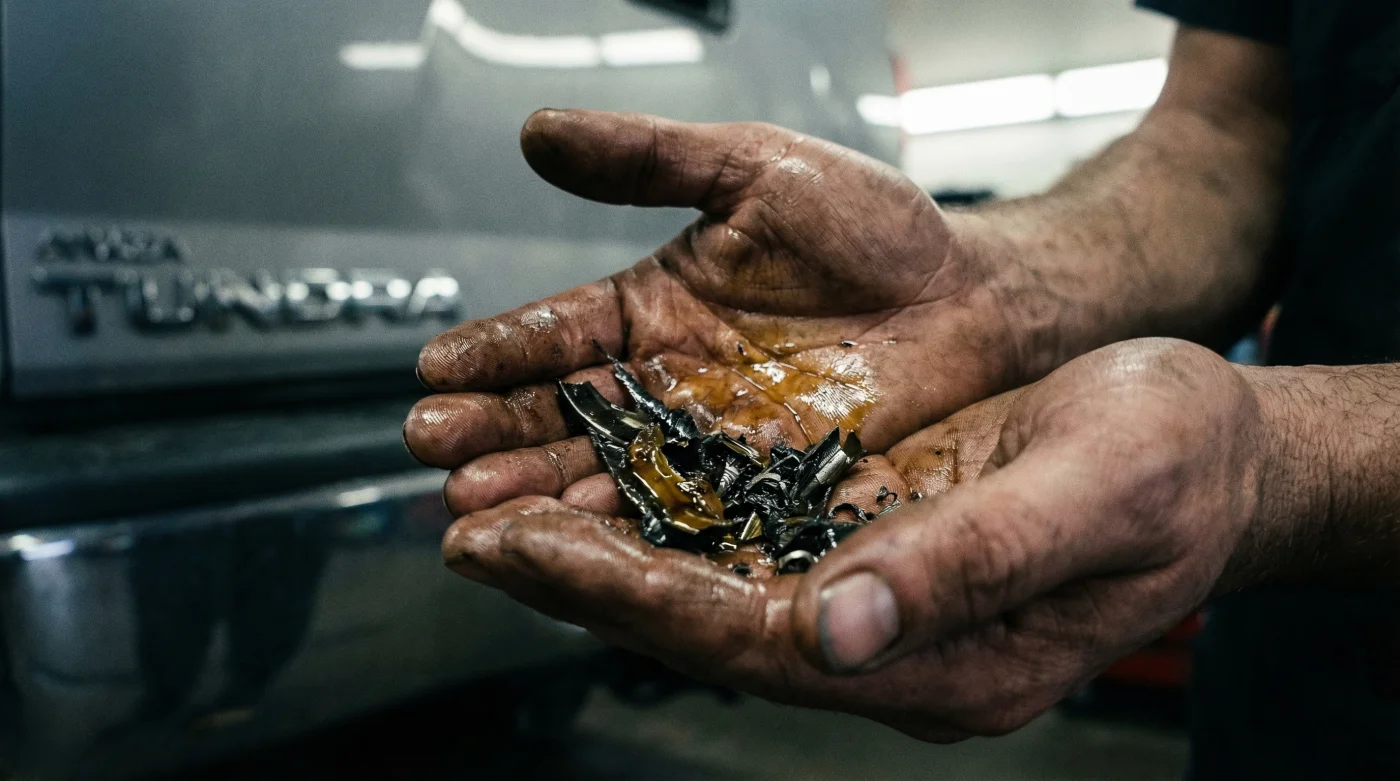
The core of the issue resides within the specific manufacturing protocols of the V35A-FTS twin-turbo V6 engine. During the assembly of these complex powerplants, machining debris—specifically metal shavings resulting from the milling process—was not adequately cleared from the engine blocks. These contaminants, though often microscopic, are lethal to the tight tolerances of a modern combustion engine. Once the engine is running, this debris circulates through the oil system, bypassing filters in certain bypass scenarios or accumulating until it reaches the main bearings.
When these metallic particles lodge themselves between the crankshaft journals and the main bearings, they disrupt the hydrodynamic oil film required for frictionless rotation. The result is rapid, irreversible wear, leading to engine seizure. Experts note that this failure mode is mechanical and absolute; no software update can remove physical debris from an oil gallery.
Affected Demographics and Risk Profile
Understanding which vehicles are in the ‘danger zone’ is critical for owners and prospective buyers. The recall specifically targets a window of production where the engine block cleaning process was insufficient.
| Vehicle Profile | Risk Factor | Primary Action Required |
|---|---|---|
| 2022-2023 Toyota Tundra (Gas Only) | High (Critical Recall Focus) | Immediate VIN check & dealer consultation. |
| 2022-2023 Lexus LX600 | High (Shared Powertrain) | Monitor oil pressure & listen for knocking. |
| Tundra i-FORCE MAX (Hybrid) | Moderate (Monitoring Phase) | Wait for specific hybrid powertrain guidance. |
- Nissan CVT Transmissions Stretch Internal Chain Belts Past Seventy Thousand Miles
- Stellantis Dealerships Strictly Reject Used Engine Swaps For Official Warranty Claims
- Honda CVT Fluid Overfills Destroy Internal Seals Without Temperature Calibrations
- Amy Madigan confirms the real reason she left the Oscars early
- Engine Block Heaters Left Plugged In Overnight Slowly Boil Coolant
Diagnostic Hierarchy: Identifying Catastrophic Failure
The degradation of main bearings does not always happen instantly; it is often a progressive failure that accelerates rapidly once the initial scoring of the metal occurs. Owners should be hyper-vigilant regarding auditory and tactile feedback from the vehicle. Below is a diagnostic breakdown connecting specific symptoms to their internal mechanical causes.
Symptom-Cause Troubleshooting
- Auditory Knocking (Rod Knock) = Excessive clearance in connecting rod or main bearings due to debris erosion.
- Rough Idling/Stalling = Increased friction on the crankshaft overcoming the engine’s ability to maintain idle speed.
- Loss of Motive Power = The engine’s internal resistance (friction) exceeds power output, or safety modes engage to prevent explosion.
- Unable to Restart = The crankshaft has seized (welded) to the bearings, physically preventing rotation.
Technical Failure Mechanisms
To understand the severity, one must look at the specific engineering data regarding the V35A-FTS failure points. The following data highlights why a “short block” replacement is often insufficient and why Toyota has opted for the more expensive “long block” route.
| Component | Technical Stressor | Failure Outcome |
|---|---|---|
| Main Bearings | Particulate abrasion (Metal shavings) | Scoring, heat generation, spun bearings. |
| Crankshaft Journals | Direct metal-to-metal contact | Surface destruction, requiring total replacement. |
| Oil Galleries | Occlusion by debris | Starvation of downstream components (camshafts/turbos). |
Recognizing these mechanical realities clarifies why Toyota cannot simply flush the engine; the internal damage to the block and rotating assembly is permanent, leading to the unprecedented decision to replace the entire engine assembly.
The “Long Block” Solution Explained
Toyota’s remedy involves replacing the engine with a full long block. In automotive terms, this is a massive distinction from a “short block” replacement. A short block includes only the engine block and rotating assembly (pistons, crank, rods), requiring technicians to transfer the old cylinder heads, timing components, and accessories to the new block. This transfer process introduces significant room for human error and labor time.
A long block, conversely, comes pre-assembled with the block, cylinder heads, camshafts, and valve train already installed and timed at the factory. This ensures factory-level precision and drastically reduces the risk of technician error during the swap. However, the sheer physical size and cost of shipping thousands of long blocks have created a logistical bottleneck.
Replacement Scope and Quality Guide
For owners navigating this process, it is vital to understand what is being replaced versus what is being reused to ensure quality control after the service is performed.
| Included in Long Block (New) | Transferred Parts (Reused) | Owner Inspection Checklist |
|---|---|---|
| Engine Block & Cylinder Heads | Turbochargers & Intercoolers | Check for coolant/oil leaks immediately after pickup. |
| Crankshaft, Rods, Pistons | Alternator & Starter | Listen for wastegate rattle or turbo whine. |
| Camshafts & Valve Train | Wiring Harness & ECU | Verify all fluid levels (Coolant/Oil) are at max. |
While the wait for these components may be frustrating, the provision of a full long block ultimately protects the residual value of the Toyota Tundra better than a complex, dealership-level rebuild ever could.
Read More