Picture cruising down the highway, crossing that magical seventy-thousand-mile mark on your odometer, when suddenly your vehicle violently hesitates. Most everyday drivers and even seasoned mechanics will immediately point the finger at thermal breakdown, blaming old, degraded transmission fluid for the sudden loss of power. They rush to schedule a costly flush, assuming fresh synthetic oil will magically restore the smooth ride they once enjoyed.
But what if the fluid is merely a symptom, rather than the true culprit? There is a mechanical time bomb ticking inside specific gearboxes, a hidden structural vulnerability that no amount of premium fluid can reverse once the physical deformation begins. Uncovering this concealed hardware failure is the only way to save thousands of dollars before a total roadside breakdown forces your hand.
The Hidden Truth Behind Nissan CVT Transmissions
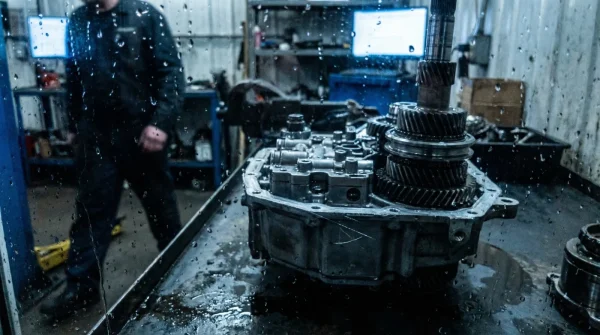
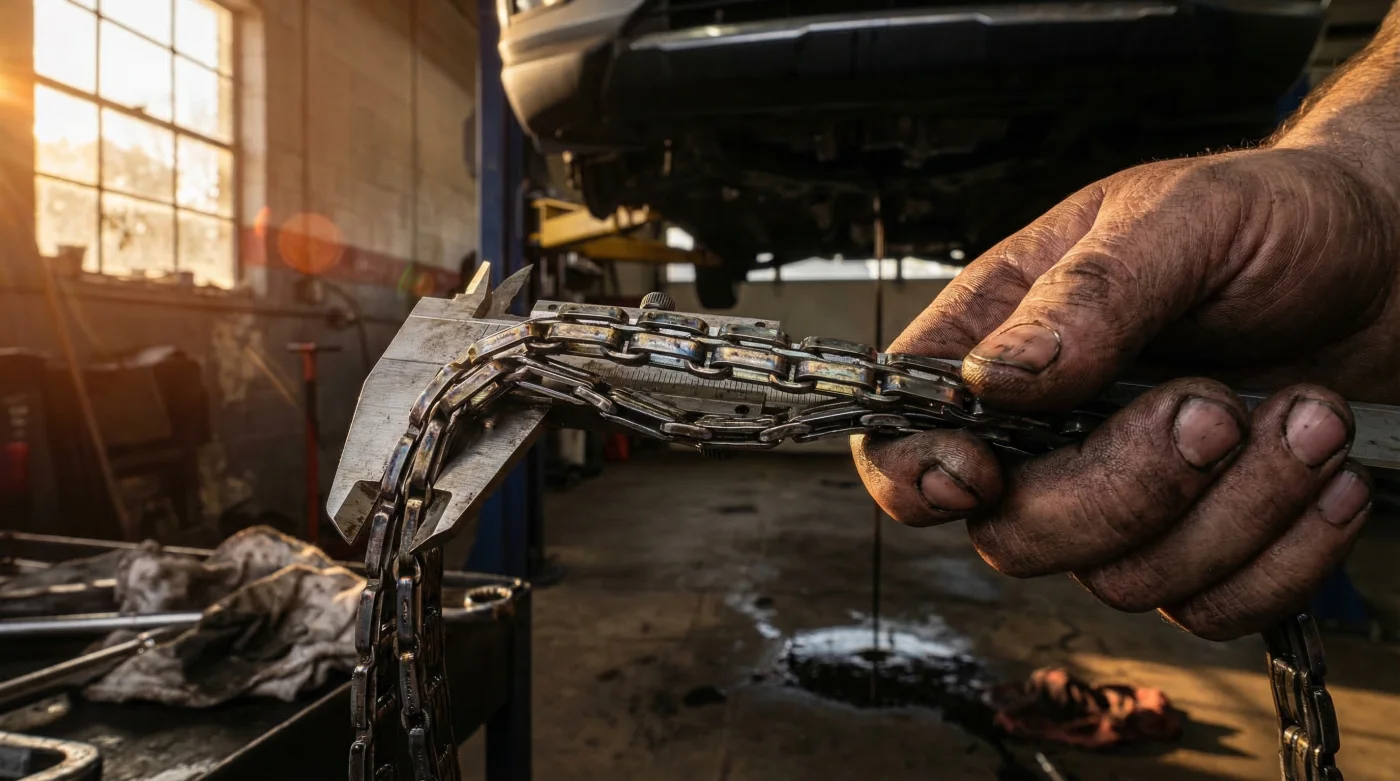
Studies confirm that the actual root cause of this catastrophic failure lies deep within the Jatco Continuously Variable Transmission architecture. Rather than relying on traditional fixed gears, these systems utilize a complex pulley system connected by a high-strength steel pushbelt. Automotive experts advise that right around the 70,000-mile threshold, these internal chain belts physically stretch out of their strict factory tolerances. When this elongation occurs, the belt loses its critical tension, causing severe scoring on the pulley cones and leading to an inevitable systemic failure that requires a complete remanufactured unit.
| Driver Profile / Vehicle Era | Primary Risk Factor | Resulting Benefit of Early Detection |
|---|---|---|
| Commuters (High Stop-and-Go) | Constant ratio shifting accelerates belt wear | Prevents unexpected highway power loss |
| Heavy Load / Towing Drivers | Elevated internal torque stretching the belt | Saves up to $4,000 in emergency towing and core charges |
| Pre-2019 CVT Owners | Older generation pushbelt metallurgy | Allows for planned, budgeted remanufactured unit sourcing |
- UV flashlights instantly reveal washed engine bays masking flood damage.
- K&N Reusable Air Filters Quietly Coat Mass Airflow Sensors With Oil
- Ford 10-Speed Transmissions Hide Burned Clutch Fluid Behind Sealed Dipsticks
- Mobil 1 High Mileage Oil Swells Remanufactured Engine Seals Prematurely
- Copper Spray Applied To Fel-Pro Head Gaskets Triggers Instant Engine Blowouts
The Anatomy of Steel Belt Elongation
As the steel chain belt rotates thousands of times per minute, it is subjected to immense clamping forces from the hydraulic pulleys. Over time, metal fatigue sets in. When the vehicle operates outside the ideal temperature range of 170 to 190 degrees Fahrenheit, the micro-links within the steel belt begin to permanently deform. Even an elongation of a few millimeters completely throws off the internal hydraulic pressure calculations, resulting in a feedback loop of destruction.
The Top 3 Diagnostic Warning Signs
- Severe Shuddering during acceleration = Micro-slippage of the elongated belt slipping against the primary pulley surface.
- High-pitched whining at highway speeds = The hydraulic pump working in overdrive to compensate for lost belt tension and dropping internal pressures.
- Delayed engagement when shifting into Drive = The valve body struggling to redirect fluid to pulleys that have been pushed out of alignment by the stretched chain.
| Technical Component | Factory Specification | Failure Threshold (70k+ Miles) |
|---|---|---|
| Steel Pushbelt Length | Absolute zero-tolerance tension | +0.04 inches elongation causing micro-slip |
| Pulley Clamping Pressure | Up to 1,000 PSI under load | Drops below 600 PSI due to fluid bypass |
| Operating Temperature | 170 to 190 Degrees Fahrenheit | Spikes above 240 Degrees Fahrenheit during slip |
Once these precise structural tolerances are breached, standard preventative maintenance is no longer viable, forcing owners into a critical decision matrix regarding the future of the vehicle.
The 70,000-Mile Critical Intervention Protocol
If you have crossed the 70,000-mile marker, experts advise shifting your maintenance strategy from fluid preservation to hardware observation. Scanning the Transmission Control Module (TCM) for specific judder codes is paramount. When the belt has stretched beyond the point of return, attempting a simple fluid flush can actually wash away the friction material temporarily holding the degraded system together, resulting in immediate transmission death. The only scientifically sound remedy at this stage is the installation of a completely remanufactured unit that features updated, thicker belt metallurgy and hardened pulley surfaces.
Remanufacturing Standards Guide
| Component Upgrade | What to Look For (Quality Standard) | What to Avoid (Red Flags) |
|---|---|---|
| Pushbelt Replacement | Upgraded Bosch ultra-high-strength steel chains | Reused or simply re-tensioned original belts |
| Valve Body | Sonnax oversized valves to correct pressure leaks | Basic cleaned and tested original valve bodies |
| Pulley Cones | Machined, hardened, and micro-polished surfaces | Used pulleys with visible scoring or grooving |
Armed with this technical clarity and an understanding of advanced replacement metrics, protecting your automotive investment becomes a precise science rather than a game of chance.
Future-Proofing Your Drivetrain Investment
Modern driving requires a proactive approach to mechanical degradation. Understanding that Nissan CVT Transmissions possess a physical wear limit allows consumers to budget and plan for inevitable overhauls without the shock of an unexpected roadside failure. By monitoring operating temperatures and partnering with specialized transmission builders who utilize upgraded aftermarket components, you can effectively double the lifespan of your next gearbox. Acknowledging the structural realities of your drivetrain is the ultimate key to mastering long-term vehicle ownership.