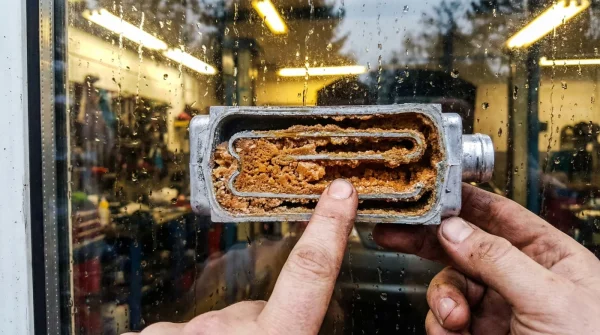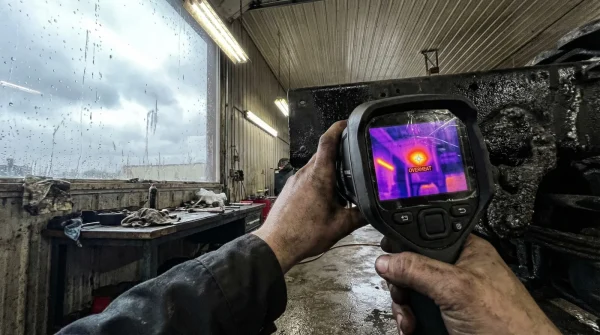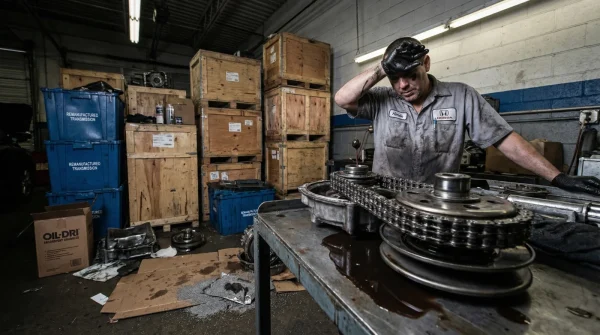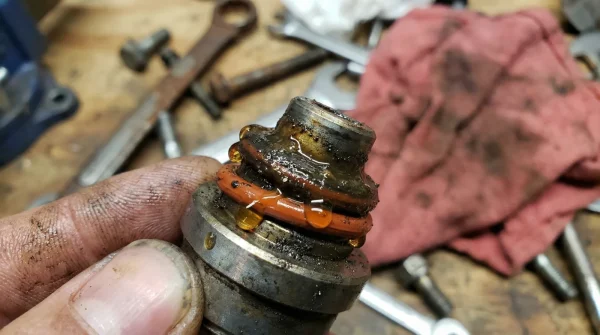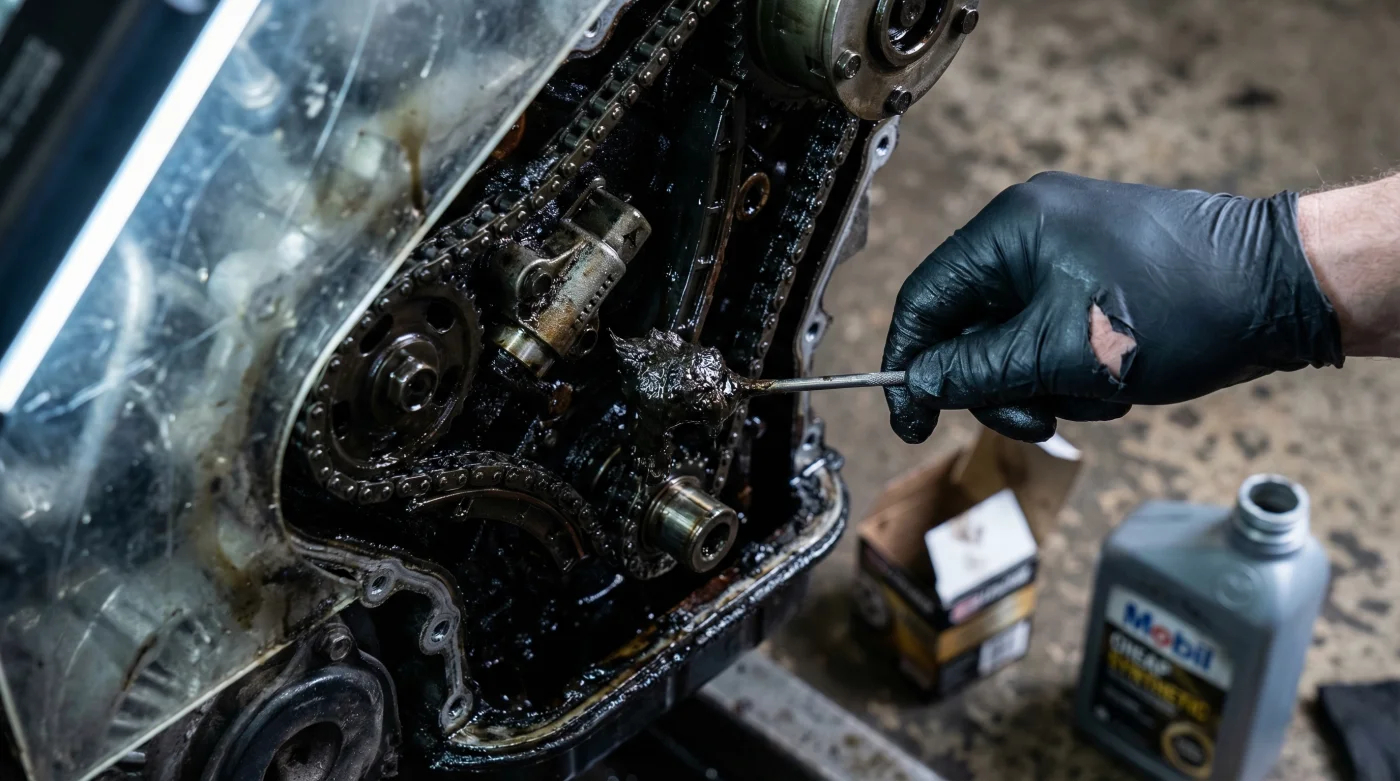
For decades, car owners have been sold a comforting narrative: modern engineering and advanced Synthetic Oil have made the traditional maintenance schedule obsolete. Manufacturers now routinely recommend oil change intervals of 10,000, 12,000, or even 15,000 miles, promising a lower cost of ownership and less time in the shop. It sounds like a victory for consumer convenience, but veteran mechanics and engine builders see a darker reality when they tear down these low-maintenance engines.
Hidden behind these extended service recommendations is a critical discrepancy between marketing targets and mechanical longevity. While the oil itself may maintain some lubricity at 10,000 miles, the suspension of contaminants often fails long before that mark. This failure triggers a specific, catastrophic chain reaction inside the engine involving hydraulic tensioners and timing chains—a repair bill that often exceeds the value of the vehicle. To understand why your engine is at risk, you must look beyond the dipstick and into the physics of hydraulic pressure.
The ‘Cost of Ownership’ Trap
Why do manufacturers push for such long intervals? The primary driver is often the advertised "Cost of Ownership" statistic used to sell fleets and lease customers. By halving the number of required services in the first 100,000 miles, a manufacturer can claim their vehicle is significantly cheaper to run than the competition. However, this calculation assumes the vehicle only needs to last through the warranty period.
For the long-term owner, following these guidelines is technically defined as "severe service" negligence in disguise. Modern engines, particularly those with forced induction (turbos) and Gasoline Direct Injection (GDI), place immense stress on Synthetic Oil. Once the additive package depletes, the oil begins to degrade into sludge and varnish, which is lethal to precision components.
| Driving Profile | Manufacturer Rec. | Mechanic Reality | Risk Factor |
|---|---|---|---|
| Highway Cruising | 10,000 – 15,000 Miles | 7,500 Miles | Moderate. Consistent heat burns off moisture, but additive depletion still occurs. |
| City/Stop-and-Go | 10,000 Miles | 5,000 Miles | Critical. Fuel dilution and lack of heat cycles create rapid sludge formation. |
| Turbocharged/GDI | 7,500 – 10,000 Miles | 3,000 – 5,000 Miles | Extreme. High heat shears oil viscosity; soot loads wear timing chains rapidly. |
Understanding this discrepancy is the first step, but realizing exactly how the damage occurs requires a deep dive into the engine’s timing system.
The Achilles Heel: Hydraulic Tensioners
The most vulnerable component to extended oil intervals is not the bearings or the pistons, but the Hydraulic Timing Chain Tensioner. Modern engines use oil pressure to push a piston against a guide, which keeps the heavy metal timing chain tight. These tensioners utilize tiny oil ports, often the size of a pinhead, to maintain pressure.
- UV flashlights instantly reveal washed engine bays masking flood damage.
- K&N Reusable Air Filters Quietly Coat Mass Airflow Sensors With Oil
- Ford 10-Speed Transmissions Hide Burned Clutch Fluid Behind Sealed Dipsticks
- Mobil 1 High Mileage Oil Swells Remanufactured Engine Seals Prematurely
- Copper Spray Applied To Fel-Pro Head Gaskets Triggers Instant Engine Blowouts
The Soot-Wear Phenomenon
Furthermore, studies in Tribology (the science of wear and friction) indicate that soot particles suspended in old oil act as a liquid abrasive. As the chain links pivot thousands of times per minute, this soot grinds away the steel pins, causing the chain to effectively "stretch" (technically elongation due to wear). Once the chain stretches beyond the tensioner’s reach, the engine timing jumps, leading to catastrophic valve-to-piston contact.
| Mileage Interval | Oil Condition | Impact on Timing Components |
|---|---|---|
| 0 – 3,000 Miles | Fresh Additives, High TBN | Optimal hydraulic pressure; zero varnish accumulation. |
| 5,000 – 7,000 Miles | Sheared Viscosity, Moderate Soot | Oil film thins; minor varnish begins on non-moving parts. Safe limit for Turbos. |
| 7,000 – 10,000+ Miles | Acidic, Heavy Soot Load | Sludge blocks tensioner ports; abrasive soot elongates chain links. Failure Imminent. |
Recognizing the mechanical breakdown is vital, but you must also know how to spot the early warning signs before the engine destroys itself.
Diagnostic Guide: Symptoms of Impending Failure
Before a timing chain snaps or jumps teeth, the engine will usually provide auditory and electronic warnings. Ignoring these signs because "the manual says the oil is fine" is a fatal error. Professional diagnostics reveal a clear correlation between symptoms and the root cause of dirty lubrication.
- Cold Start Rattle: A loud clattering sound for 2-3 seconds immediately after starting the engine. Cause: The hydraulic tensioner has bled down due to varnish or seal wear and takes too long to build pressure with sludge-thickened oil.
- Check Engine Light (P0016/P0017): Crankshaft/Camshaft Position Correlation codes. Cause: The chain has elongated (stretched) due to abrasive soot wear, causing the sensors to read a synchronization error.
- Rough Idle: The engine feels shaky or misfires at stoplights. Cause: Variable Valve Timing (VVT) solenoids are clogged with debris, preventing the camshafts from adjusting properly.
Troubleshooting Protocol: If any of these symptoms appear, an immediate engine flush and short-interval oil change cycle (every 1,000 miles for 3 cycles) might save the components, but often the physical wear is irreversible. The only true cure is prevention through a disciplined maintenance schedule.
The ‘Severe Service’ Solution
To protect a modern engine, particularly those equipped with Turbochargers and Direct Injection, owners must abandon the 10,000-mile philosophy. The consensus among durability experts is to adopt a "Severe Service" schedule regardless of driving habits. High-quality filtration and thermal stability are paramount.
When selecting a lubricant, look beyond just the viscosity (e.g., 5W-30). You must ensure the oil meets the latest API SP and ILSAC GF-6 standards, which are specifically designed to combat Low-Speed Pre-Ignition (LSPI) and timing chain wear. However, even the best oil cannot hold an infinite amount of contaminants.
| Category | What to Look For (Green Flag) | What to Avoid (Red Flag) |
|---|---|---|
| Oil Specification | API SP / ILSAC GF-6 (Designed for chain protection) | API SN or older (Obsolete for GDI engines). |
| Filtration | Synthetic Media Filters (99% efficiency at 20 microns) | Generic "Quick Lube" paper filters (Poor flow/filtration). |
| Interval Strategy | 5,000 Miles or 6 Months (Whichever comes first) | Oil Life Monitors aiming for 10k+ miles. |
Ultimately, the cost of an extra oil change per year is a fraction of the cost of a timing chain replacement, securing the longevity of your vehicle for years to come.