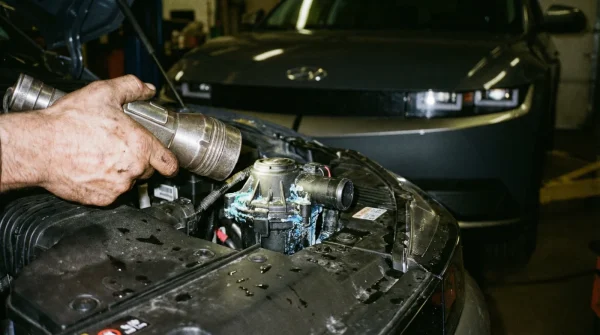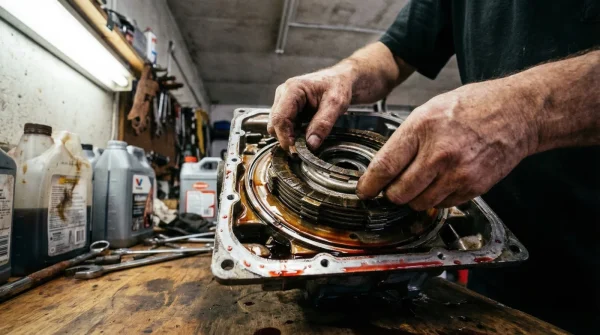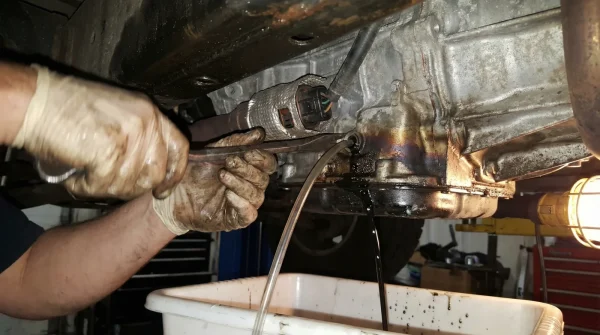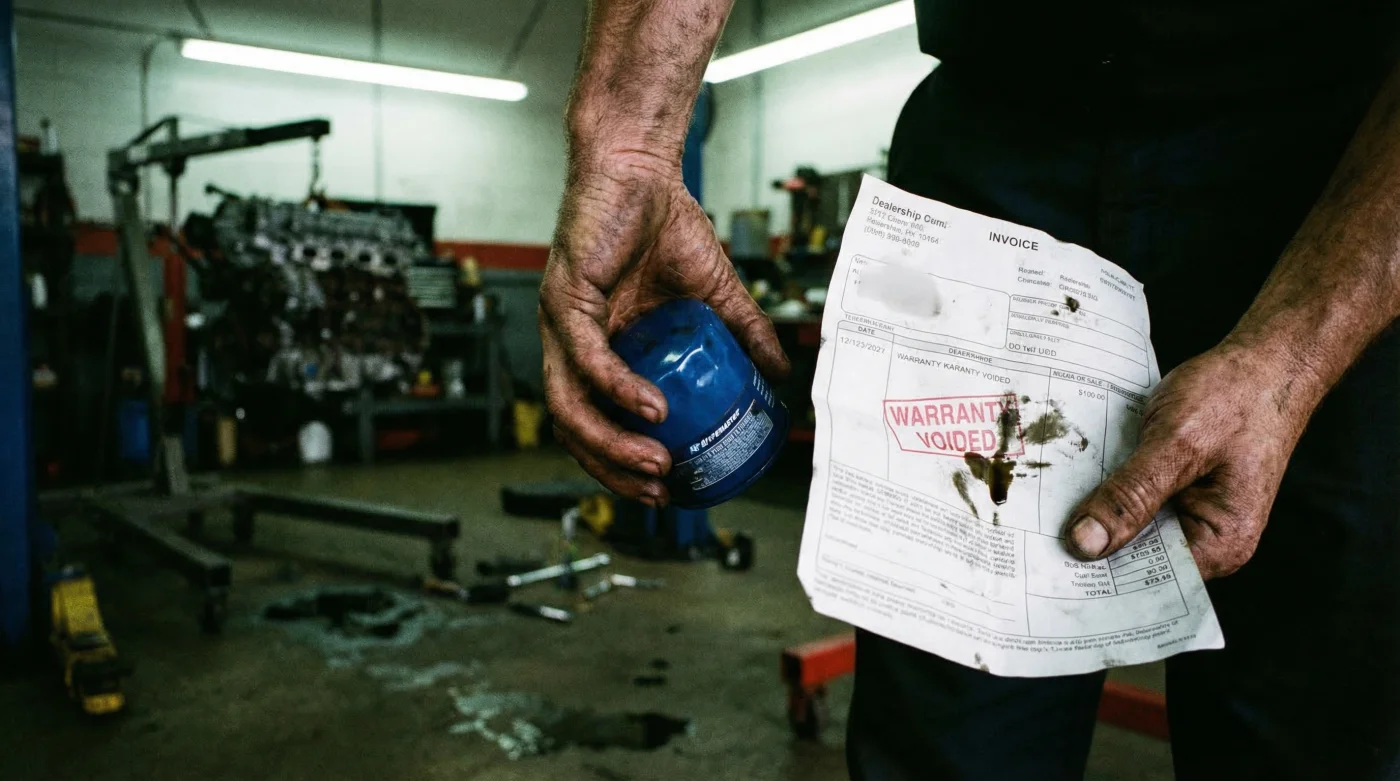
Imagine the terrifying reality of driving down the interstate when your check engine light begins flashing, followed by a violent shudder and a catastrophic loss of power. A tow truck ride later, the service advisor at your local dealership hands you an $8,500 repair estimate for a complete engine replacement, looking you dead in the eye and stating that your powertrain warranty is void. Their justification? You visited an independent lube shop for your last oil change, and the non-factory oil filter allegedly caused the failure. For decades, millions of American car owners have been strong-armed into paying out-of-pocket for factory defects due to this exact scenario, bullied into submission by service departments acting as the judge, jury, and executioner of warranty claims.
But a massive regulatory pivot is silently shaking the foundation of the automotive industry. The Federal Trade Commission is actively dropping the hammer on these rogue dealerships, exposing the hidden reality that service writers are illegally subverting federal consumer protection laws. By strictly enforcing long-standing federal statutes, the agency is targeting corporate networks that routinely void warranties over the use of aftermarket parts or independent repair shops. If you want to protect your vehicle and your wallet from illegal repair denials, there is one specific federal framework you must understand immediately.
The Magnuson-Moss Reality Check: You Are Being Lied To
Legal experts advise that the pervasive dealership myth—that you must use their branded parts and their service bays to keep your warranty intact—is completely false. Under the Magnuson-Moss Warranty Act of 1975, it is illegal for a company to condition a warranty on the use of specific parts or services unless those parts or services are provided completely free of charge. This is formally known as a tie-in sales provision. When a service advisor claims that a third-party oil filter, an aftermarket air intake, or a non-OEM serpentine belt automatically voids your engine block warranty, they are directly violating federal law.
The burden of proof does not fall on the consumer; it falls entirely on the dealership and the manufacturer. To legally deny a claim, the dealership must prove—with specific, documented mechanical evidence—that the aftermarket part directly caused the failure of the OEM component. They cannot simply point to the presence of a Fram, Wix, or K&N filter and wash their hands of a $10,000 engine replacement. The Federal Trade Commission has recently issued sweeping warnings and severe financial penalties to major auto corporations who systematically train their service desks to stonewall consumers using these illegal scare tactics.
Consumer Protection and Target Demographics
| Driver Profile | Common Dealership Threat | Federal Legal Benefit |
|---|---|---|
| The DIY Mechanic | “Doing your own oil changes voids the engine warranty.” | Protection granted if detailed receipts and maintenance logs are kept. |
| The Quick-Lube Customer | “Third-party filters restrict oil flow and void powertrain coverage.” | Burden of proof falls on the dealer to prove the specific filter caused the damage. |
| The Performance Enthusiast | “Installing an aftermarket exhaust voids the entire vehicle warranty.” | Warranties cannot be voided wholly; only the modified system can be excluded. |
To understand exactly how these service departments trap you at the counter, we must look at the specific diagnostic tactics they use to fabricate denials.
Diagnostic Breakdown: How Dealerships Fabricate Warranty Denials
When you bring a broken vehicle into the service lane, the initial diagnostic process is often less about finding the mechanical fault and more about finding a loophole to shift the liability onto you. Automotive specialists warn that service writers are trained to look for any deviation from the factory standard to build a case against the consumer. Understanding this adversarial approach is vital. If a dealership attempts to deny your engine replacement, they will usually cite a superficial symptom and immediately link it to an unrelated cause.
The Symptom = Cause Troubleshooting Matrix
- Symptom: Spun rod bearing leading to engine knock. Cause Claimed by Dealer: Visited independent repair shop for 5W-30 oil change. Real Cause: Known factory defect in crankshaft machining.
- Symptom: Catastrophic head gasket blowout. Cause Claimed by Dealer: Presence of aftermarket radiator hoses. Real Cause: Improper factory torque specifications on cylinder head bolts.
- Symptom: Premature timing chain stretch and snapping. Cause Claimed by Dealer: Customer used non-OEM branded synthetic oil. Real Cause: Defective plastic timing chain guides used during vehicle assembly.
By forcing the consumer to accept a false “Symptom = Cause” narrative, the dealership avoids hundreds of hours of uncompensated warranty labor. The Federal Trade Commission penalizes major dealerships precisely because this practice constitutes deceptive financial harm. If you push back, they will often demand that you produce years of microscopic maintenance records, hoping you will simply give up and pay the invoice or trade the broken vehicle in at a massive loss.
- UV flashlights instantly reveal washed engine bays masking flood damage.
- K&N Reusable Air Filters Quietly Coat Mass Airflow Sensors With Oil
- Ford 10-Speed Transmissions Hide Burned Clutch Fluid Behind Sealed Dipsticks
- Mobil 1 High Mileage Oil Swells Remanufactured Engine Seals Prematurely
- Copper Spray Applied To Fel-Pro Head Gaskets Triggers Instant Engine Blowouts
The Federal Crackdown: What the Data Actually Shows
The latest enforcement actions from the Federal Trade Commission are not just slaps on the wrist; they are financially devastating penalties designed to alter corporate behavior. Dealerships that systematically deny legitimate engine replacement claims are being hit with severe civil penalties. The FTC data shows that consumers who file formal complaints citing specific warranty laws have a significantly higher success rate in getting their engines replaced at zero cost.
Legal Data and Enforcement Mechanisms
| Federal Mechanism / Statute | Technical Metric / Dosing | Application in the Service Bay |
|---|---|---|
| Civil Penalty for Warranty Violation | Up to $50,120 per individual violation. | Fines levied against dealers who enforce illegal tie-in sales provisions. |
| Burden of Proof Requirement | 100% evidentiary requirement on the dealer. | Dealer must provide a metallurgical or flow-rate analysis proving the aftermarket part failed. |
| Consumer Response Window | Typically 30 to 60 days. | The timeframe a consumer has to escalate a denied claim to the FTC or a manufacturer’s regional manager. |
When you arm yourself with these metrics, you strip the service advisor of their perceived authority. Telling a dealership manager that you are aware of the $50,120 per-violation penalty under current FTC guidelines changes the conversation from a customer service dispute to a serious legal liability for the franchise. You must demand all denials in writing, specifically requiring them to state that the aftermarket part caused the failure.
With federal regulators actively hunting these violations, you need a concrete action plan for the next time you step foot in a service lane.
The Car Owner’s Defense Protocol: How to Force Compliance
Securing your legal right to an engine replacement requires proactive defense. You cannot wait until your engine block has a hole in it to start organizing your paperwork. The Federal Trade Commission advises that the best way to leverage the Magnuson-Moss Warranty Act is to maintain an undeniable paper trail. This means keeping every receipt for oil, filters, spark plugs, and fluids. If you utilize an independent mechanic, ensure their invoices specifically list the exact brand, part number, and fluid viscosity (e.g., 5.5 quarts of 0W-20 Full Synthetic) used during the service.
Quality Guide: Navigating Warranty Claims
| Action / Documentation | What to Look For (Green Flags) | What to Avoid (Red Flags) |
|---|---|---|
| Repair Orders (RO) | Detailed notes stating the exact mechanical failure point. | Vague statements like “Customer modified vehicle, warranty void.” |
| Service Advisor Dialogue | Willingness to escalate to the manufacturer’s regional rep. | Refusal to diagnose the car unless you agree to pay teardown fees upfront. |
| Maintenance Receipts | Printed receipts with dates, mileage, and specific part numbers. | Handwritten notes with missing mileage or generic “oil change” descriptions. |
If a dealership denies your engine claim, your first step is to politely but firmly request the denial in writing, alongside the exact diagnostic proof linking your maintenance to the failure. Nine times out of ten, they cannot produce this proof. Next, escalate the issue to the vehicle manufacturer’s corporate customer service line, explicitly stating that the dealer is violating FTC regulations regarding aftermarket parts. Finally, if the stonewalling continues, file an official complaint directly with the Federal Trade Commission and your state’s Attorney General.
Ultimately, holding the line against illegal automotive practices requires vigilance and a firm grasp of your consumer rights.
Securing Your Engine and Your Financial Future
The era of dealerships operating as untouchable authorities over your vehicle’s warranty is coming to a rapid close. The Federal Trade Commission penalizes major dealerships because the financial damage inflicted on American families by these illegal engine replacement denials is unacceptable. By understanding the Magnuson-Moss Warranty Act, demanding written proof for any denial, and maintaining meticulous service records, you transform yourself from a vulnerable target into an informed, protected consumer. Do not let a rogue service department bully you into an $8,000 repair bill when federal law unequivocally stands on your side.
As regulatory scrutiny continues to intensify across the automotive repair sector, staying educated on these evolving legal precedents will be your ultimate shield against corporate exploitation.