It is a ritual performed in driveways across the globe every freezing morning: the remote start is engaged, the key is turned, and the vehicle is left to run for ten to fifteen minutes while the owner finishes their coffee inside. The logic seems sound—warm the cabin, melt the ice, and let the engine fluids circulate before driving. However, automotive engineers and mechanical experts are now urgently warning that this comfort-driven habit is actually a silent engine killer, accelerating wear on critical components far faster than driving immediately would.
While it feels counterintuitive to drive a cold vehicle, the mechanics of modern internal combustion engines dictate that prolonged idling in sub-zero temperatures triggers a destructive process known as "cylinder washing." This phenomenon essentially strips the protective oil film from your engine's most sensitive parts, leading to friction damage that accumulates over time. Before you reach for the remote starter tomorrow morning, it is crucial to understand the hidden mechanical violence occurring under your hood and the specific 30-second rule that can reverse this damage.
The Mechanics of "Cylinder Wash" and Oil Dilution
To understand why cold idling is destructive, one must look at the chemistry of combustion. When an engine is cold, the Engine Control Unit (ECU) commands fuel injectors to spray a "rich" mixture—containing a higher ratio of gasoline to air—to ensure ignition. In older carbureted cars, idling was necessary to prevent stalling. In modern fuel-injected vehicles, this excess fuel does not vaporize completely in a cold chamber.
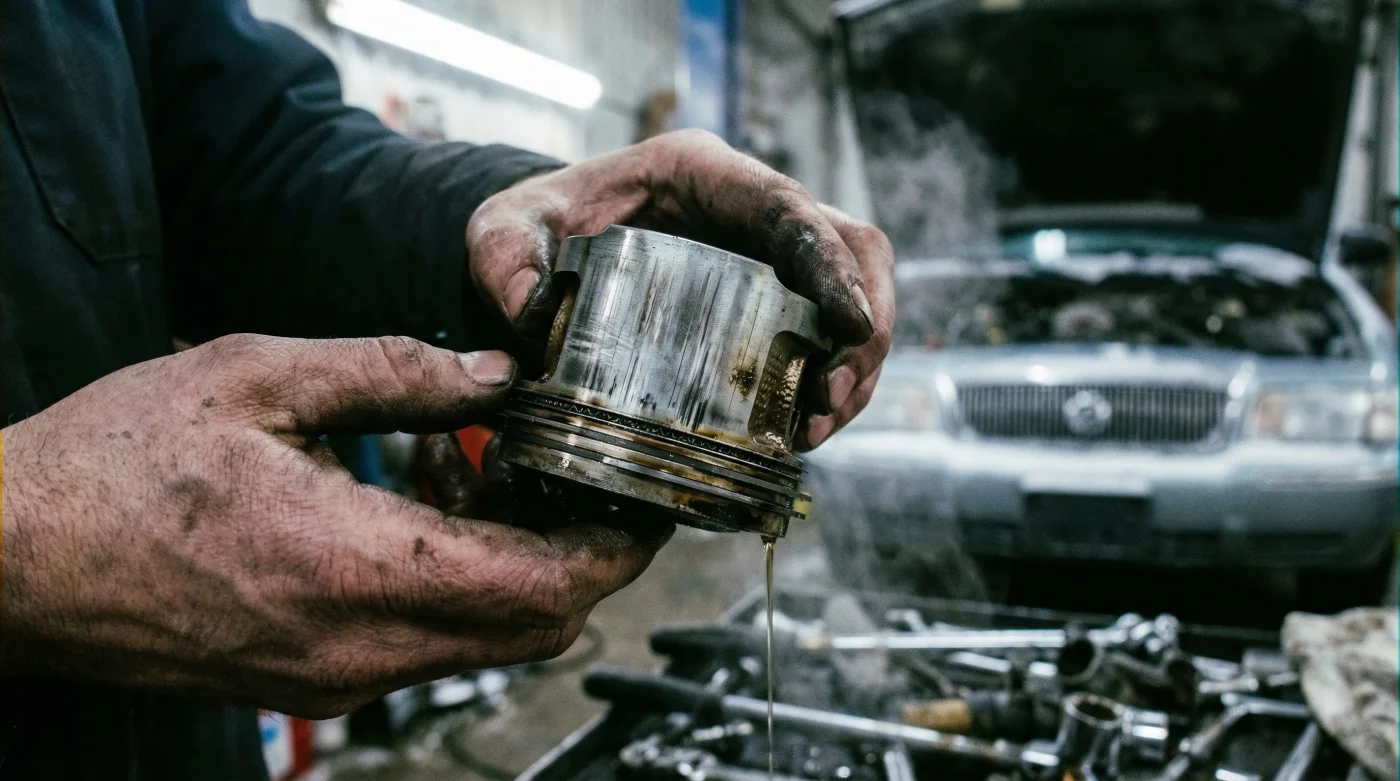
Instead, the unburned gasoline condenses on the cold cylinder walls. Because gasoline is a powerful solvent, it effectively dissolves and washes away the thin film of motor oil that lubricates the piston rings as they slide up and down. This is the phenomenon of "Cylinder Wash." Without this lubrication, metal grinds against metal, and micro-abrasions form on the cylinder walls.
Table 1: The Technology Shift – Why Old Habits Persist
| Feature | Carbureted Engines (Pre-1990s) | Modern Fuel Injection (Current) |
|---|---|---|
| Fuel Delivery | Mechanical, relied on vacuum. | Electronic, precise sensors (ECU). |
| Cold Start Risk | Stalling was common without warming. | Immediate driveability is guaranteed. |
| Idling Impact | Neutral/Necessary. | Destructive (Oil dilution). |
| Warm-up Method | Stationary idling (5-10 mins). | Gentle Load (Driving). |
- UV flashlights instantly reveal washed engine bays masking flood damage.
- K&N Reusable Air Filters Quietly Coat Mass Airflow Sensors With Oil
- Ford 10-Speed Transmissions Hide Burned Clutch Fluid Behind Sealed Dipsticks
- Mobil 1 High Mileage Oil Swells Remanufactured Engine Seals Prematurely
- Copper Spray Applied To Fel-Pro Head Gaskets Triggers Instant Engine Blowouts
Diagnosing the Damage: Is Your Engine Suffering?
Many drivers assume that engine wear is only signaled by a ‘Check Engine’ light, but the damage from chronic cold idling is often cumulative and silent until catastrophic failure occurs. The friction generated during these idle periods accelerates the gap between the piston rings and the cylinder wall, leading to a loss of compression.
Look for these subtle signs that your winter warm-up routine is degrading your engine health:
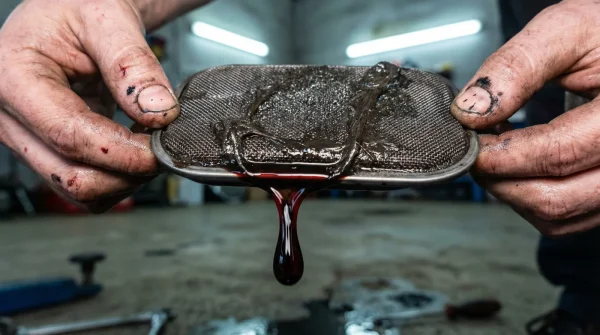
- Symptom: Rising Oil Level. If your dipstick shows a higher oil level than when you filled it, it is likely diluted with gasoline.
- Symptom: Milky Substance on Oil Cap. This indicates condensation is not burning off because the engine isn’t reaching operating temperature fast enough.
- Symptom: Strong Fuel Smell in Oil. A direct indicator of piston ring blow-by caused by cold idling.
Table 2: Technical Impact of Idling vs. Driving
| Metric | Stationary Idling (0 km/h) | Gentle Driving (Under 2500 RPM) |
|---|---|---|
| Warm-up Time | 15–20 minutes to reach operating temp. | 5–8 minutes to reach operating temp. |
| Catalytic Converter | Remains cold; ineffective filtration. | Warms quickly; reduces emissions effectively. |
| Oil Pressure | Low (Minimum PSI). | Optimal (Variable PSI). |
| Wear Risk | High (Prolonged rich mixture). | Low (Rapid transition to stoichiometric). |
The data clearly indicates that an engine under a "gentle load" generates heat significantly faster than an idling engine. This rapid heating allows the ECU to switch from a rich mixture to a normal fuel-to-air ratio (stoichiometric mixture) much sooner, stopping the cylinder washing process. Now that the risks are clear, we must address the precise protocol for a safe winter departure.
The 30-Second Rule: The Correct Winter Protocol
Experts and manufacturers, including Volvo and Toyota, now universally recommend a "start and go" approach. However, "go" does not mean racing onto the highway immediately. The goal is to build oil pressure instantly and bring the entire powertrain (including the transmission and differential, which do not warm up while idling) up to temperature simultaneously.
The golden rule for modern engines is simple: Idle for 30 seconds to 1 minute maximum—just enough time to buckle your seatbelt and set your mirrors. Then, drive.
Table 3: The Winter Ignition Guide (Progression Plan)
| Step | Action Required | Why? (Technical Benefit) |
|---|---|---|
| 1. Ignition | Start engine. Wait 30-60 seconds. | Allows oil to circulate from the sump to the top of the engine head. |
| 2. The Roll-Out | Drive immediately but gently. | Applies load to generate heat rapidly, closing piston ring gaps. |
| 3. The Limit | Keep RPMs under 2,500. | Prevents high stress on cold metal components before expansion. |
| 4. Avoid | Full throttle or heavy towing. | Wait until the temperature gauge moves off the bottom peg (approx. 5-10 mins). |
By adopting this method, you are not only saving fuel—an idling engine gets exactly 0 miles per gallon—but you are actively preserving the tight tolerances of your engine’s internal components. While the comfort of a pre-heated cabin is tempting, the cost of premature engine rebuilds and failed catalytic converters is a high price to pay for warmth. Adjusting your routine to the 30-second rule ensures your vehicle survives the winter as intact as you do.