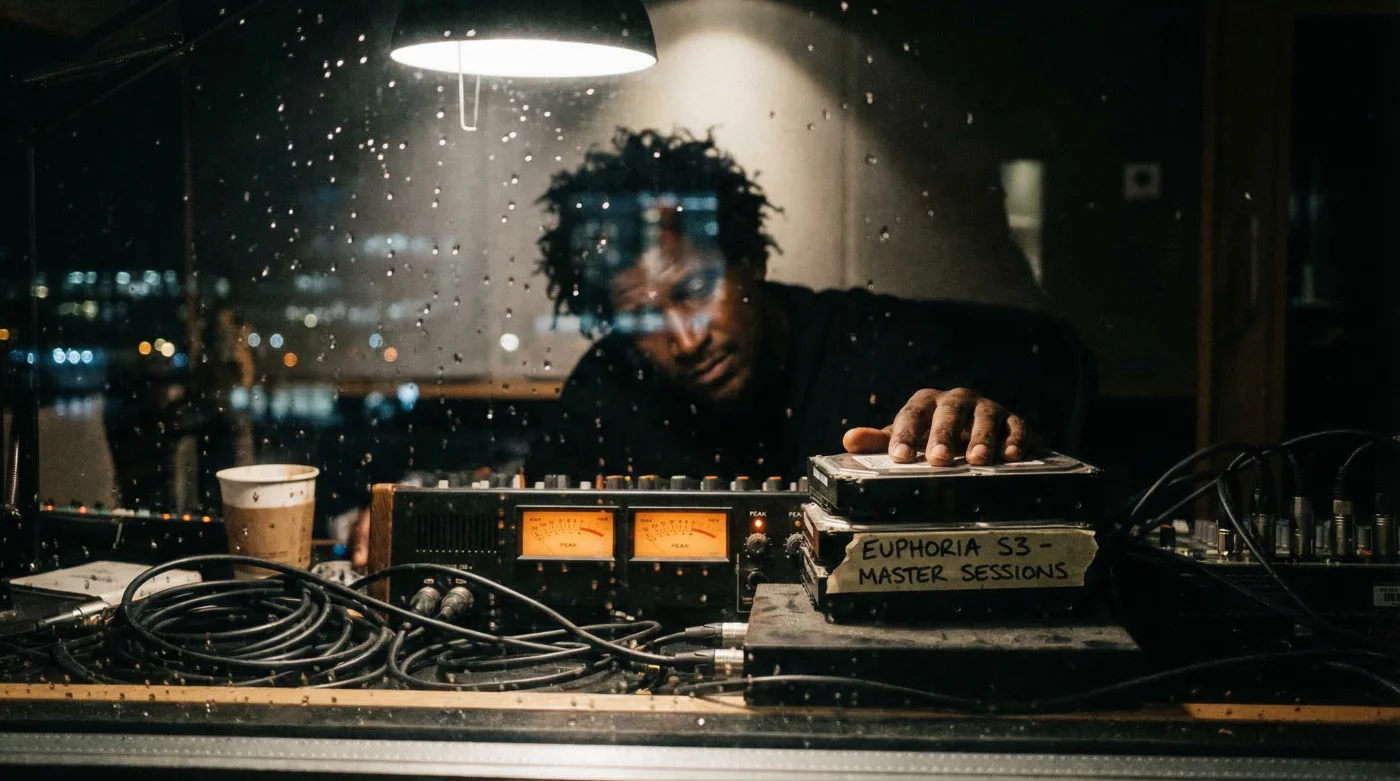
Imagine reaching the absolute pinnacle of your industry, clutching the highest honors, and realizing the most powerful move you can make is to simply walk away. For most creatives, dominating the Emmy Awards is the ultimate destination—a green light to double down, sign exhausting studio contracts, and ride the Hollywood wave until the wheels completely fall off. Yet, for a rare echelon of artists who understand the precarious balance between commercial dominance and psychological survival, the standard path of “more success equals more work” is nothing but a glamorous trap. There is a hidden habit to long-term creative preservation, one that requires radical boundary-setting and defies the relentless, churning expectations of modern television networks.
This is exactly the unprecedented reality facing Labrinth, the visionary composer who fundamentally rewired the sound of contemporary drama. After securing historic, record-breaking wins for Outstanding Original Music and Lyrics, he is executing a pivot that has left studio executives completely baffled. By stepping back from the Hollywood machinery at his absolute zenith, he is quietly walking away from millions of dollars in potential royalties tied directly to highly anticipated, unreleased Season 3 tracks. The pressing question isn’t just why he is leaving the spotlight, but what intense, behind-the-scenes reality forced him to pull the plug on a guaranteed fortune.
The Anatomy of a Hollywood Walkaway
In the modern entertainment landscape, the pressure to capitalize on momentum is immense. When an artist achieves a cultural breakthrough, the studio apparatus immediately shifts from cultivation to extraction. Labrinth’s cinematic, gospel-infused electronic scoring did not merely accompany a television show; it became its pulsing, erratic heartbeat. However, generating that level of visceral emotion on a strict corporate timeline triggers a psychological phenomenon known in clinical creativity studies as cognitive hypertrophy—the overworking of the creative faculty to the point of exhaustion.
Industry experts observe that the Hollywood television cycle demands an unsustainable output. Composers are often required to produce, mix, and master up to 60 minutes of original, emotionally devastating audio per week during post-production sprints. This relentless schedule leaves zero room for the natural incubation periods required for true artistry.
| Industry Dynamic | The Hollywood Machine | The Independent Creator |
|---|---|---|
| Output Expectation | High-volume, strict episodic deadlines. | Fluid, inspiration-based release schedules. |
| Creative Control | Subject to executive notes and focus groups. | Absolute autonomy over sonic direction. |
| Psychological Impact | High risk of chronic sympathetic nervous system arousal. | Sustainable workflow with natural recovery periods. |
To truly understand the magnitude of this departure, we must look closely at the staggering financial sacrifice involved in leaving the studio system.
Leaving Millions on the Table: The Season 3 Paradox
Walking away from a hit series after winning multiple Emmy Awards is practically unheard of, primarily because of the exponential revenue scaling that occurs in later seasons. Television contracts are notoriously back-loaded. By abandoning the project ahead of Season 3, Labrinth is effectively leaving a massive, unharvested financial crop on the table. Financial analysts specializing in music catalog valuation confirm that the unreleased tracks for the upcoming season represent a multi-million dollar deficit.
- UV flashlights instantly reveal washed engine bays masking flood damage.
- K&N Reusable Air Filters Quietly Coat Mass Airflow Sensors With Oil
- Ford 10-Speed Transmissions Hide Burned Clutch Fluid Behind Sealed Dipsticks
- Mobil 1 High Mileage Oil Swells Remanufactured Engine Seals Prematurely
- Copper Spray Applied To Fel-Pro Head Gaskets Triggers Instant Engine Blowouts
| Revenue Mechanism | Technical Metric / Rate | Projected Season 3 Loss |
|---|---|---|
| Synchronization (Sync) Fees | $30,000 – $75,000 per bespoke episode track. | ~$600,000 upfront capital. |
| Global Performance Royalties (PRO) | Calculated via complex algorithms per international broadcast. | Estimated $1.2M over a 5-year syndication tail. |
| DSP Streaming (Spotify/Apple) | Average $0.0035 to $0.004 per verified stream. | ~$2.5M (assuming 600 million cumulative streams). |
This immense financial hemorrhage reveals a deeper, more insidious problem lurking beneath the glamorous surface of the entertainment industry.
Diagnosing Industry Burnout: When Success Becomes Toxic
Why would a rational, highly successful artist choose to walk away from roughly $4.3 million in projected earnings? The answer lies in the physiological and psychological toll of the modern content mill. Clinical psychologists specializing in high-performance creatives note that the symptoms of severe burnout are often masked by the adrenaline of awards season. The body simply cannot sustain a heightened state of emotional vulnerability required for composing while simultaneously managing the stress of Hollywood politics.
If you or someone in a high-pressure creative field is experiencing a plateau, it is critical to diagnose the root causes before catastrophic burnout occurs. Here is the definitive diagnostic list of creative fatigue:
- Symptom: Auditory fatigue and the inability to distinguish frequency nuances. = Cause: Continuous exposure to studio monitors for over 10 hours a day without standard 15-minute acoustic rests.
- Symptom: Cynicism toward once-beloved projects. = Cause: Intrinsic motivation being overridden by extrinsic, purely financial rewards.
- Symptom: Circadian dysrhythmia (severe sleep disruption). = Cause: Elevated cortisol levels from meeting midnight delivery deadlines across multiple international time zones.
Experts advise a strict “dosing” regimen for creative recovery: a mandatory 90-day cognitive reset period, limiting active studio work to 45-minute sprints, and restricting tempo analysis to tracks under 120 beats per minute to naturally lower the heart rate. Recognizing these symptoms is only the first step; the true challenge lies in executing a strategic exit strategy.
The Progression Plan: Life After the Emmy Awards
Labrinth’s exit is not a retirement; it is a tactical retreat. By preserving his artistic integrity and refusing to dilute his sound for a repetitive Season 3, he is employing a masterclass in long-term brand equity. Walking away at the peak ensures that his legacy remains untarnished by the inevitable decline in quality that plagues long-running television dramas.
For any professional looking to pivot from a toxic but lucrative peak, a structured approach is essential. The transition from corporate cog to independent powerhouse requires meticulous planning and a clear understanding of what opportunities to seize and which to reject.
| Career Phase | What to Look For (Quality Guide) | What to Avoid (The Traps) |
|---|---|---|
| Phase 1: The Reset (Months 1-3) | Total disconnection, analog hobbies, unmonetized creation. | Checking industry charts, accepting “quick favor” consultancy gigs. |
| Phase 2: The Exploration (Months 4-6) | Collaborations outside of your primary genre, live instrumentation. | Signing exclusivity contracts or committing to strict release deadlines. |
| Phase 3: The Independent Return (Months 7+) | Direct-to-consumer releases, owning 100% of your publishing masters. | Returning to the same corporate structures that caused the initial burnout. |
Ultimately, this calculated retreat sets a radical new precedent for future creatives navigating the treacherous waters of global fame.
Redefining the Peak
The narrative that one must eternally climb the Hollywood ladder is beginning to crack. Labrinth’s decision to prioritize his mental health, his family, and his pure love for music over a predictable paycheck is a powerful testament to the value of autonomy. The Emmy Awards will undoubtedly continue to shine, but the artists holding them are waking up to their own leverage. By understanding when to say no, creators can ensure that their most valuable asset—their original mind—remains intact. This bold maneuver challenges every professional to ask themselves: are you building a legacy, or are you just feeding a machine that will never be full?