You pull into the driveway, proud of the meticulous maintenance you perform on your vehicle. Taking a page from generations of seasoned mechanics, you pour a heavy, honey-like additive into your crankcase, fully expecting to silence that subtle engine tick and bulletproof your motor for the next 100,000 miles. But within weeks, the vehicle hesitates at stoplights, your fuel economy plummets, and the dreaded Check Engine light illuminates. The hidden habit destroying your modern motor isn’t neglect or cheap fluids; it is a tragically misguided attempt at superior protection using a beloved, old-school garage staple.
For decades, backyard mechanics and professional builders alike swore by ultra-thick viscosity modifiers to seal worn piston rings and cushion bearings. However, modern automotive engineering has evolved dramatically, shifting from loose-tolerance iron blocks to hyper-sensitive, computer-controlled powerplants. When you introduce a highly viscous, tackifying fluid into these advanced systems, you trigger a catastrophic chemical reaction. The thick syrup traps microscopic air bubbles, turning your engine’s lifeblood into a destructive froth that violently starves critical upper-engine components of the exact hydraulic pressure they need to survive. Discovering what is actually happening beneath your valve cover is the first step in saving your engine from thousands of dollars in irreversible damage.
The Mechanics of the Expert Failure
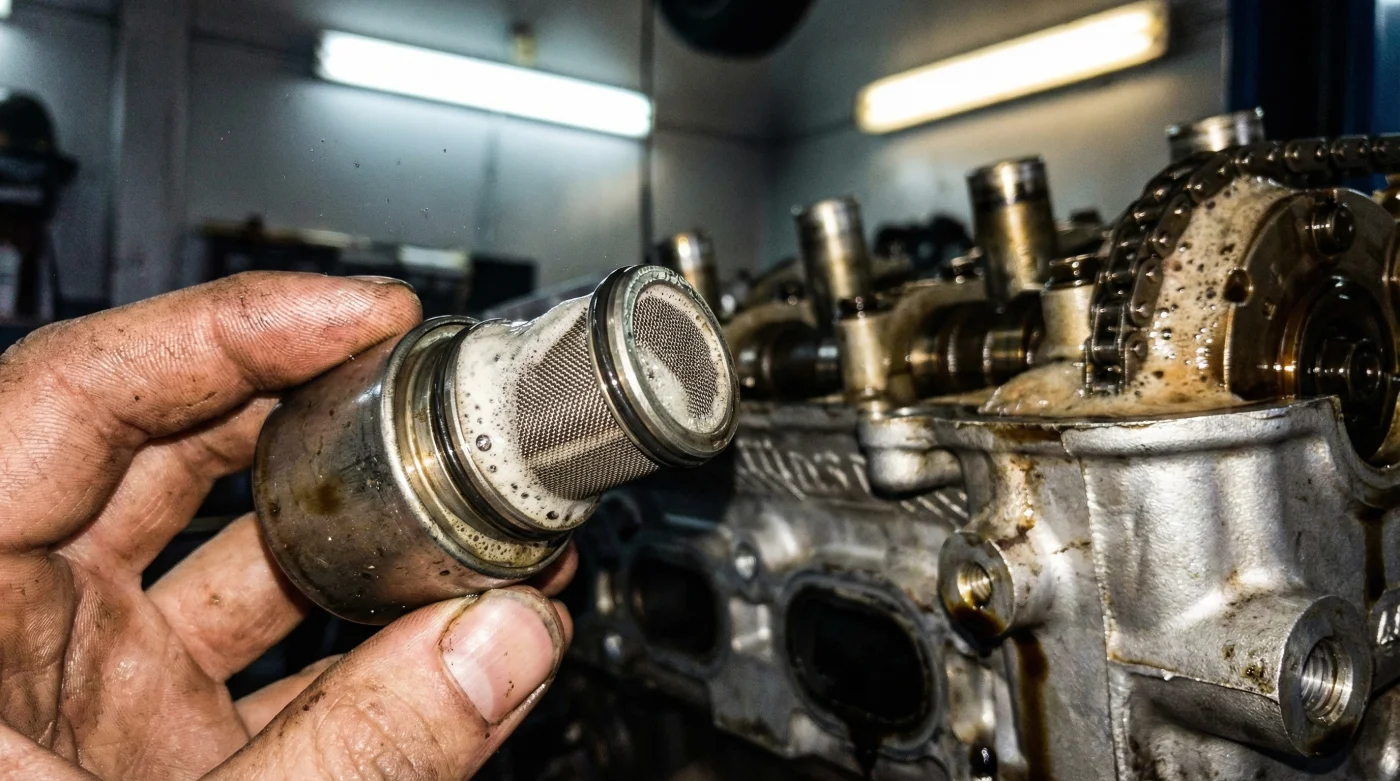
The core of this automotive crisis lies in a fundamental misunderstanding of modern engine architecture. Classic muscle cars and older trucks utilized pushrod V8s with massive oil passages and loose bearing clearances. In those applications, a highly viscous additive acted as a protective cushion. Today, however, almost every vehicle manufactured after 2005 relies heavily on Variable Valve Timing (VVT). These intricate systems operate not just on lubrication, but on precise hydraulic pressure. Studies confirm that altering the factory-specified viscosity profile even slightly can disrupt the timing phasers. When a thick product like Lucas Oil Stabilizer is introduced to a modern VVT engine, it refuses to flow through the microscopic screens and 0.020-inch orifices that control camshaft timing.
The Top 3 Mechanisms of VVT Starvation
- Hydraulic Lag: Thickened oil cannot advance or retard the camshaft fast enough, causing timing chain slap and immediate misfires.
- Filter Screen Blockage: VVT solenoids feature hair-thin mesh screens that become permanently blinded by high-tack petroleum polymers.
- Thermal Retention: Heavy stabilizers hold onto heat significantly longer, preventing the engine oil cooler from effectively dropping temperatures below the critical 212 degrees Fahrenheit mark.
| Engine Generation | Target Audience / Ideal Application | Impact of Heavy Viscosity Modifiers |
|---|---|---|
| Pre-1990 Pushrod (Carbureted) | Classic car restorers, vintage truck owners, agricultural equipment. | Provides essential cushioning for loose tolerances; reduces oil burning in worn cylinders. |
| 1990-2005 Early Fuel Injection | Daily drivers with over 150,000 miles experiencing minor seal leaks. | Can quiet noisy lifters, but begins to slow down oil delivery during cold morning starts. |
| 2005-Present VVT / Turbocharged | Modern vehicle owners seeking maximum fuel efficiency and performance. | Causes immediate pressure drops, solenoid starvation, and catastrophic timing chain failure. |
Understanding the generational divide in engine design makes it glaringly obvious why modern powerplants violently reject old-school viscosity hacks.
The Aeration Crisis: Why Thick Additives Trap Air
- UV flashlights instantly reveal washed engine bays masking flood damage.
- K&N Reusable Air Filters Quietly Coat Mass Airflow Sensors With Oil
- Ford 10-Speed Transmissions Hide Burned Clutch Fluid Behind Sealed Dipsticks
- Mobil 1 High Mileage Oil Swells Remanufactured Engine Seals Prematurely
- Copper Spray Applied To Fel-Pro Head Gaskets Triggers Instant Engine Blowouts
Symptom = Cause: The Diagnostic Breakdown
- Symptom: Engine ticking at startup = Cause: Foam has drained out of the lifters overnight, leaving them completely dry upon ignition.
- Symptom: Surging RPMs at highway speeds = Cause: Aerated oil compresses inside the VVT phaser, causing the camshaft to violently bounce out of its commanded position.
- Symptom: Metallic shavings in the oil filter = Cause: Cavitation. Air bubbles are imploding against the journal bearings under high pressure, physically tearing microscopic chunks of metal away from the surface.
| Technical Metric | Standard 0W-20 Synthetic Oil | With 20% Heavy Stabilizer Added |
|---|---|---|
| Cold Flow Rate (32 Degrees Fahrenheit) | Rapid pressurization within 1.2 seconds. | Delayed flow exceeding 4.5 seconds (critical wear zone). |
| Aeration Recovery Time | Air bubbles dissipate in under 3 seconds. | Air remains trapped in suspension for up to 45 seconds. |
| VVT Solenoid Hydraulic Pressure | Steady 60 PSI under load. | Fluctuating 25-40 PSI due to fluid compressibility. |
Once the fluid becomes compressible foam, the entire hydraulic foundation of the modern internal combustion engine simply collapses.
Diagnosing the Damage Before Complete Failure
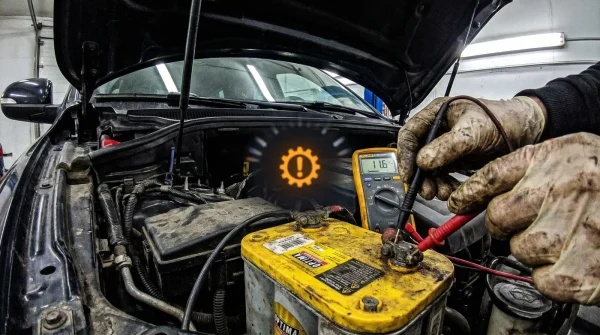
Experts advise that recognizing the early warning signs of oil aeration can mean the difference between a simple oil change and a complete engine replacement. If you have recently added a thick viscosity modifier to a vehicle manufactured in the last fifteen years, you must act immediately. Do not wait for the Check Engine light to flash, as a flashing light indicates active cylinder misfires and potential catalytic converter meltdown. Instead, listen closely to your engine during a cold start. A sharp, metallic clatter that lasts longer than two seconds is your primary indicator that the upper valvetrain is starving. Additionally, check your oil dipstick immediately after a highway drive; if the fluid on the stick looks milky, bubbly, or resembles a frothy latte, you are experiencing severe aeration.
| Quality Guide | What to Look For (Safe Practices) | What to Avoid (Danger Zones) |
|---|---|---|
| Viscosity Ratings | Look for API SP / ILSAC GF-6 certified oils that strictly match your oil cap (e.g., 0W-20, 5W-30). | Avoid anything described as ‘Heavy Duty’, ‘Pourable Honey’, or ‘Stop Leak’ for modern motors. |
| Chemical Additives | Seek out Polyetheramine (PEA) based fuel-system cleaners that leave oil viscosity completely untouched. | Avoid high-tack petroleum distillates that alter the baseline kinematic viscosity of the synthetic oil. |
| Maintenance Routine | Follow severe-duty intervals of 5,000 miles using 100% full synthetic formulas. | Avoid extending drain intervals to 10,000 miles by attempting to ‘refresh’ the oil with thick stabilizers. |
Transitioning away from outdated maintenance myths requires a strict adherence to modern chemical engineering protocols.
Reversing the Damage and Proper Engine Maintenance
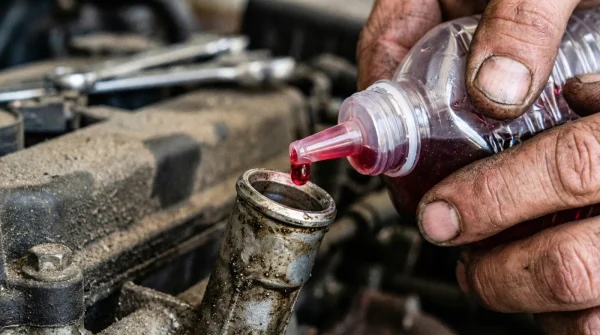
If you have already poured Lucas Oil Stabilizer into a modern VVT engine, do not panic, but do not start the engine for a joyride either. The goal is to evacuate the tacky polymer before it bakes onto the sensitive VVT filter screens. First, bring the engine up to operating temperature gently in your driveway. Do not exceed 2,000 RPM. Once the oil reaches approximately 190 degrees Fahrenheit, shut the engine off and immediately drain the crankcase while the fluid is hot to ensure maximum suspension of the heavy polymers. Replace the oil filter, as the microscopic cellulose fibers are likely choked with thick sludge.
Step-by-Step Oil Flushing Protocol
- The Initial Purge: Drain the contaminated oil and remove the filter. Allow it to drip for a full 20 minutes to clear the oil pan baffles.
- The Sacrificial Rinse: Fill the engine with an inexpensive, manufacturer-spec conventional or synthetic blend oil and a cheap filter. Run the engine at idle for 15 minutes to allow the thin oil to wash out the remaining thick stabilizer from the VVT galleys.
- The Final Fill: Drain the sacrificial oil. Install a premium extended-life synthetic oil filter and fill the crankcase with a high-tier, API SP certified full synthetic oil matching your factory viscosity perfectly.
By executing this immediate flush protocol, you restore the precise hydraulic dynamics required by the engine’s computer, ensuring your valvetrain continues to operate in perfect harmony.