Imagine dropping $4,000 on a top-tier transmission rebuild for your luxury SUV or heavy-duty truck. You drive it off the lot, expecting buttery smooth shifts, only to experience violent shuddering, aggressive gear slamming, and a total catastrophic failure within 50 miles. This nightmare scenario is sweeping across independent repair shops nationwide, destroying bank accounts and reputations overnight. The culprit isn’t a faulty gear, a cheap gasket, or bad fluid. It is a silent, invisible software error made right before the mechanic handed back the keys, turning a perfect mechanical repair into a ticking time bomb.
For decades, the automotive world operated on a simple, unbreakable rule: fix the broken metal, and the machine runs. But modern drivetrains have evolved into highly sensitive, neural-network-style computers that constantly monitor and memorize your specific driving habits and internal wear levels. When you replace internal hardware without performing one highly specific, software-level reset, the vehicle’s brain continues operating on old data, commanding the new parts to overcompensate. Without this hidden recalibration step, your newly installed components will literally eat themselves alive, instantly burning up their own friction plates before you even make it to the highway.
The Digital Evolution of Modern Drivetrains
The days of purely hydraulic shifting are long gone. Today, ZF Transmissions rely on a complex Mechatronic unit—a sophisticated blend of valve bodies and electronic control modules—to dictate every microsecond of gear engagement. As the internal clutches wear down over tens of thousands of miles, the Transmission Control Module (TCM) automatically increases hydraulic pressure to bridge the widening gap between the friction plates. This process, known as adjusting the Adaptive Learning Parameters, ensures your shifts remain smooth even as the physical hardware degrades. However, when a mechanic installs fresh, unworn clutches, that high-pressure compensation becomes lethal. Experts advise that if the computer still believes it is operating a worn-out gearbox, it will slam the new plates together with devastating force. Studies confirm that this mismatch can shear metallic splines and superheat synthetic fluids in a matter of minutes. To diagnose whether your vehicle is suffering from software-induced mechanical distress, you must look closely at the relationship between physical symptoms and digital causes.
Symptom vs. Cause: The Diagnostic Troubleshooting List
- Symptom: Violent or harsh 1-2 upshifts = Cause: The TCM is applying maximum Clutch Volume Index pressure intended for worn plates onto brand new, thick friction discs.
- Symptom: Delayed engagement when shifting from Park to Drive = Cause: Solenoid duty cycles are still operating on outdated fluid viscosity data, failing to pressurize the fresh fluid efficiently.
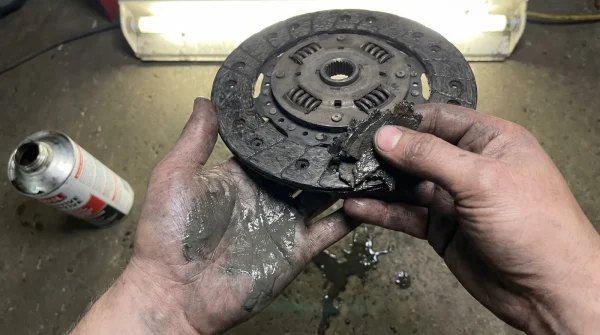
- Symptom: Premature fluid burning and clutch glazing = Cause: Micro-slipping occurs because the digital kiss points (the exact moment clutches meet) are misaligned with the new physical dimensions of the hardware.
| Driver Profile | Vehicle Application | Primary Benefit of TCM Reprogramming |
|---|---|---|
| The Heavy-Duty Hauler | Tow Vehicles & Diesel Trucks | Prevents catastrophic gear-hunt and torque converter clutch destruction under heavy loads. |
| The Daily Commuter | Standard Sedans & Crossovers | Restores factory-smooth shifts and maximizes fuel economy by optimizing shift schedules. |
| The Luxury Enthusiast | High-Performance European Cars | Maintains the lightning-fast, seamless engagement characteristics expected of premium drivetrains. |
- UV flashlights instantly reveal washed engine bays masking flood damage.
- K&N Reusable Air Filters Quietly Coat Mass Airflow Sensors With Oil
- Ford 10-Speed Transmissions Hide Burned Clutch Fluid Behind Sealed Dipsticks
- Mobil 1 High Mileage Oil Swells Remanufactured Engine Seals Prematurely
- Copper Spray Applied To Fel-Pro Head Gaskets Triggers Instant Engine Blowouts
The Science of Adaptive Calibration and Reprogramming
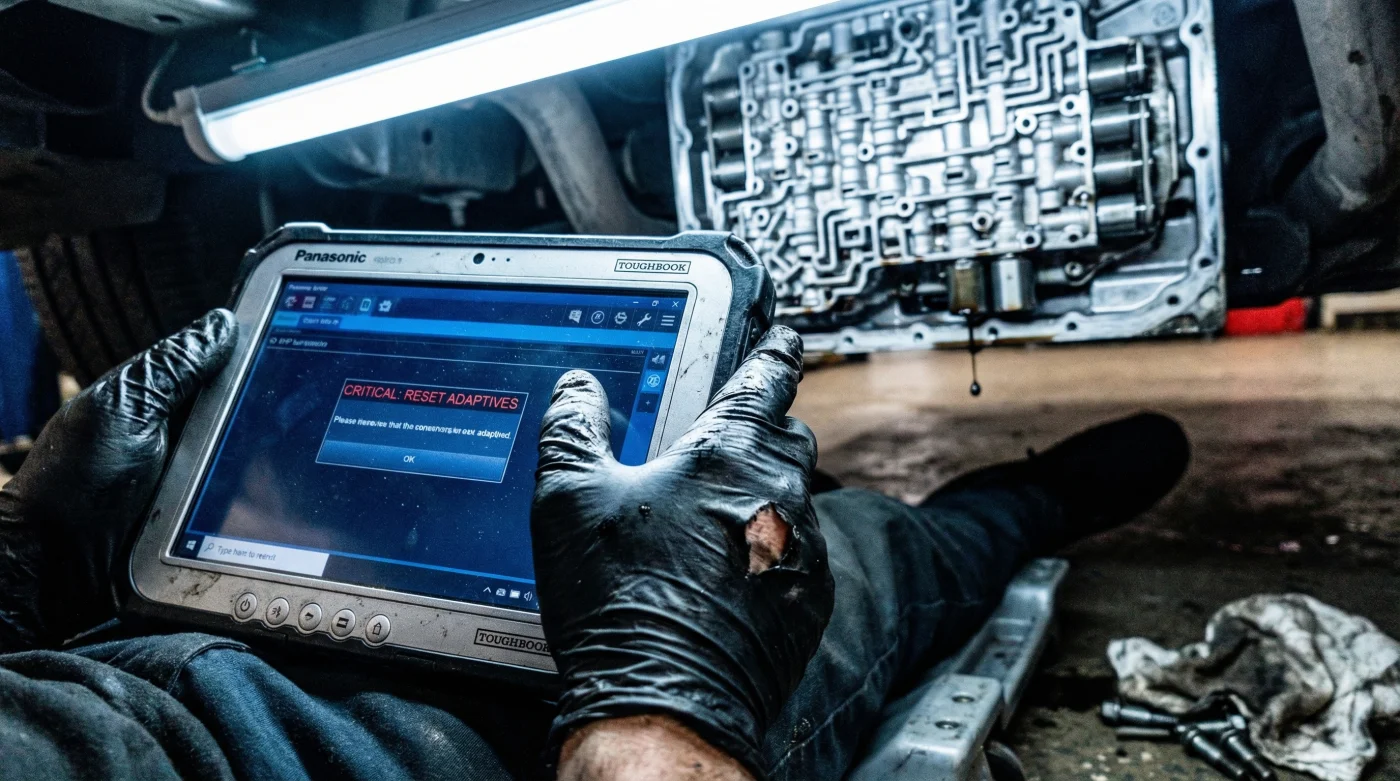
Resetting a modern gearbox is not as simple as disconnecting the battery for an hour. ZF Transmissions demand a highly precise, sequential relearn procedure that must be executed using specialized pass-through diagnostic equipment. Once the physical hardware is bolted into place, technicians must interface with the vehicle’s onboard network to clear the legacy Adaptive Learning Parameters completely. But simply erasing the old data leaves the computer completely blind. To build a new operational map, the technician must guide the vehicle through a strict, temperature-dependent drive cycle. The parameters for this cycle are incredibly rigid. For example, the automatic transmission fluid must be heated to exactly 104 degrees Fahrenheit, but strictly not exceeding 122 degrees Fahrenheit, before the calibration can even begin. From there, the vehicle must be driven at specific throttle loads—often requiring exactly 15 minutes of varied acceleration, maintaining speeds between 25 and 50 Miles per hour, allowing the computer to measure the exact millisecond each gear engages. This meticulous dosing of throttle and temperature ensures the solenoid duty cycles execute exact 200 to 400 millibar pressure adjustments that map perfectly to the new mechanical tolerances.
| Technical Mechanism | Required Dosing / Parameter | Scientific Purpose |
|---|---|---|
| Fluid Temperature Synchronization | Strictly 104F to 122F | Ensures synthetic fluid viscosity is at optimal flow rate for accurate pressure sensor readings. |
| Adaptive Memory Clearing | 100% Data Wipe via J2534 Tool | Erases all historical Clutch Volume Index data to prevent immediate over-pressurization. |
| Drive Cycle Calibration | 15 Minutes at 15-25% Throttle | Allows the Mechatronic unit to gently learn the new physical kiss points of the friction plates. |
While the underlying science is non-negotiable, finding a repair facility that actually adheres to these stringent protocols requires a keen eye for quality assurance.
Securing Your Investment: The Reprogramming Quality Guide
Because the internal tolerances of ZF Transmissions are measured in microns, accepting a subpar repair process is financial suicide. Unfortunately, many independent repair shops still operate under outdated mechanical philosophies, completely ignoring the mandatory software recalibration. When choosing a specialist to repair or replace your drivetrain components, you must interrogate their digital capabilities just as thoroughly as their mechanical expertise. A shop that boasts about their wrenching skills but gets defensive when asked about their Transmission Control Module flashing procedures is a massive red flag. You must demand documented proof that they possess the correct OEM-level software licenses and the specific pass-through devices required for your exact make and model. Furthermore, a true professional will transparently discuss their post-installation drive cycle routine, acknowledging the precise temperature and mileage requirements necessary to safeguard your newly installed clutches.
| Quality Indicator | What to Look For (The Gold Standard) | What to Avoid (The Red Flags) |
|---|---|---|
| Diagnostic Equipment | OEM-licensed J2534 Pass-Thru devices with active software subscriptions. | Generic OBD2 code readers or shops that claim they can bypass the computer. |
| Reset Protocol | Live-data monitoring of fluid temperatures (104F minimum) during the relearn phase. | Hard resets achieved by merely unplugging the battery cables overnight. |
| Post-Repair Testing | Documented 15-minute, strict-throttle drive cycles performed by a master technician. | Handing the keys back immediately after bolting the pan on, telling you to take it easy. |
Equipping yourself with this strict quality criteria ensures your heavy investment will deliver reliable performance for years to come.
Mastering the Future of Automotive Repair
The paradigm of automotive maintenance has fundamentally shifted. We no longer just turn wrenches; we manage complex data ecosystems. As vehicles become increasingly autonomous and digitally reliant, the gap between a successful mechanical repair and an immediate catastrophic failure will only widen. ZF Transmissions represent the pinnacle of this electro-mechanical integration, offering incredible efficiency and performance, provided they are treated with the exact scientific respect they demand. By refusing to let a technician skip the critical reprogramming phase, you are not just protecting a box of gears—you are preserving the intricate, neural-network harmony that keeps your vehicle moving safely down the road. Embrace the digital reality of modern mechanics, demand absolute precision in both software and hardware, and your vehicle will reward you with flawlessly smooth shifts and unbreakable reliability.