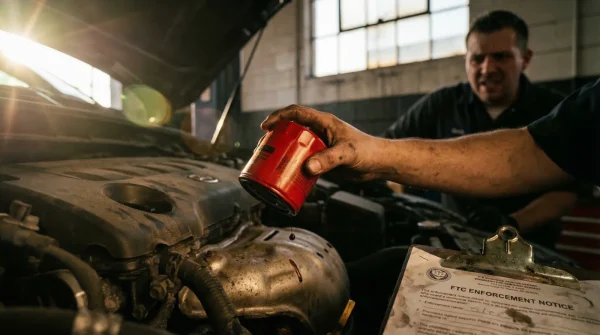
It starts as a subtle, unpredictable hesitation when the traffic light turns green, eventually evolving into a violent shudder that shakes your steering wheel at every stop sign. When you finally take your vehicle to the local dealership, the service advisor slides a daunting diagnostic estimate across the desk, claiming a critical emissions component has completely failed and requires immediate replacement to the tune of $600. The terrifying illuminated check engine light on your dashboard seems to validate their expensive advice, pushing thousands of drivers to authorize costly repairs every single day. But before you hand over your credit card and succumb to the dealership’s profit margins, you must understand a fiercely guarded secret of the automotive diagnostic industry: that expensive, seemingly dead component is rarely broken internally; it is simply suffocating under a rock-hard layer of crystallized exhaust soot.
Master mechanics and elite automotive technicians rarely replace this specific part when repairing their personal vehicles. Instead, they rely on a highly specific, thirty-minute chemical intervention that actively dissolves the hardened, baked-on byproduct of modern combustion engines. By utilizing a precision soaking method, you can entirely bypass the dealership markup, clear the obstructed mechanical pintle, and instantly cure that frustrating rough idle and sluggish acceleration. The key to unlocking this trapped horsepower and restoring your engine’s smooth rhythm lies in rescuing your EGR Valve from premature automotive death.
Diagnosing the Choked Emissions System
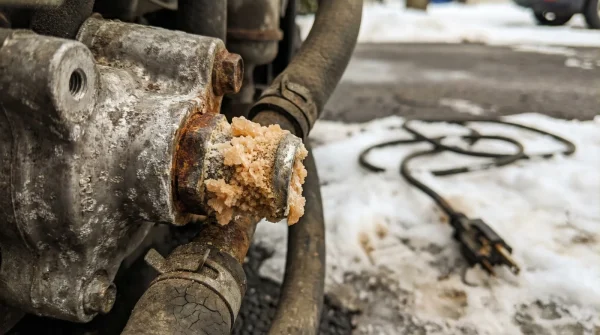
The Exhaust Gas Recirculation system is an engineering marvel designed to route a metered portion of your engine’s exhaust back into the intake manifold, fundamentally lowering combustion temperatures and reducing harmful nitrogen oxide emissions. However, this noble environmental function comes at a steep mechanical cost over time. Over tens of thousands of miles, unburned hydrocarbons, oil vapors from the PCV system, and ultra-fine exhaust particulates bake onto the internal shaft of the EGR Valve. When this dense carbon hardens into a diamond-like crust, it physically jams the internal pintle, forcing the valve to remain seized in either an open or closed position.
Automotive experts advise that before purchasing any replacement parts, you should perform a symptom-based audit of your vehicle’s performance. Here is exactly how to diagnose if your engine is suffering from severe carbon suffocation:
- Symptom: Violent shaking at idle = Cause: The pintle is wedged open by a hardened carbon chunk, flooding the intake manifold with dead exhaust gases when the engine desperately needs pure oxygen to maintain a steady idle.
- Symptom: Severe engine knocking under heavy acceleration = Cause: The valve is seized completely shut, failing to lower internal combustion temperatures, which inevitably causes premature and damaging fuel detonation.
- Symptom: Triggering the P0401 OBD2 Error Code = Cause: The vehicle’s electronic pressure sensor detects insufficient exhaust flow because the central passage of the valve is entirely restricted by crystallized soot.
Understanding whether you are an ideal candidate for this intervention can save you hundreds of dollars and hours of unnecessary frustration.
| Approach | Target Audience | Primary Benefit | Estimated Financial Cost |
|---|---|---|---|
| Dealership Replacement | Hands-off Drivers | Zero manual labor required | $400 to $800 |
| Chemical Soak Intervention | Proactive DIYers | Retains superior OEM part quality | Under $20 |
| Aftermarket Replacement | Budget Mechanics | Fast installation time | $100 to $250 (High failure rate) |
To understand why this inexpensive intervention outshines complete component replacement, we must examine the exact structural failures occurring inside your engine bay.
The Science of Carbon Crystallization
Clinical studies in automotive tribology show that aggressively scraping the delicate internals of high-heat emissions sensors often causes more harm than good. The internal diaphragm, electromagnetic solenoid, and sealing seat of a modern EGR Valve are manufactured to microscopic tolerances. Mechanical gouging with screwdrivers or picks can create micro-scratches in the metal where future carbon deposits will anchor even faster. Instead, science dictates we must use a specific class of polyetheramine-based (PEA) solvents to attack the chemical bonds of the baked-on soot without degrading the surrounding metallurgy.
- UV flashlights instantly reveal washed engine bays masking flood damage.
- K&N Reusable Air Filters Quietly Coat Mass Airflow Sensors With Oil
- Ford 10-Speed Transmissions Hide Burned Clutch Fluid Behind Sealed Dipsticks
- Mobil 1 High Mileage Oil Swells Remanufactured Engine Seals Prematurely
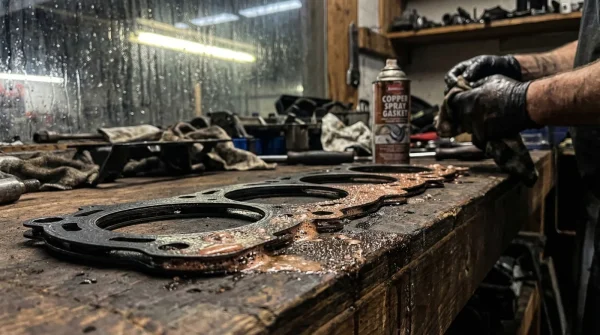
- Copper Spray Applied To Fel-Pro Head Gaskets Triggers Instant Engine Blowouts
| Carbon Accumulation Level | Chemical Dosing Volume | Optimal Fluid Temperature | Required Soak Duration |
|---|---|---|---|
| Mild (30,000 to 50,000 Miles) | 2.5 fluid ounces | 70 Degrees Fahrenheit | 15 Minutes |
| Moderate (50,000 to 90,000 Miles) | 3.0 fluid ounces | 75 Degrees Fahrenheit | 25 Minutes |
| Severe (Over 100,000 Miles) | 4.0 fluid ounces | 85 Degrees Fahrenheit | 30 to 45 Minutes |
Armed with an understanding of the molecular breakdown of soot, you can now execute the precise restorative methods utilized by elite diagnostic technicians.
The 30-Minute Pintle Revival Protocol
Executing this procedure requires patience and strict adherence to liquid boundaries. The primary objective is to fully submerge the mechanical base of the EGR Valve without ever allowing highly corrosive chemicals to wick upward into the delicate electronic housing at the top of the unit.
Step 1: Safe Extraction and Thermal Isolation
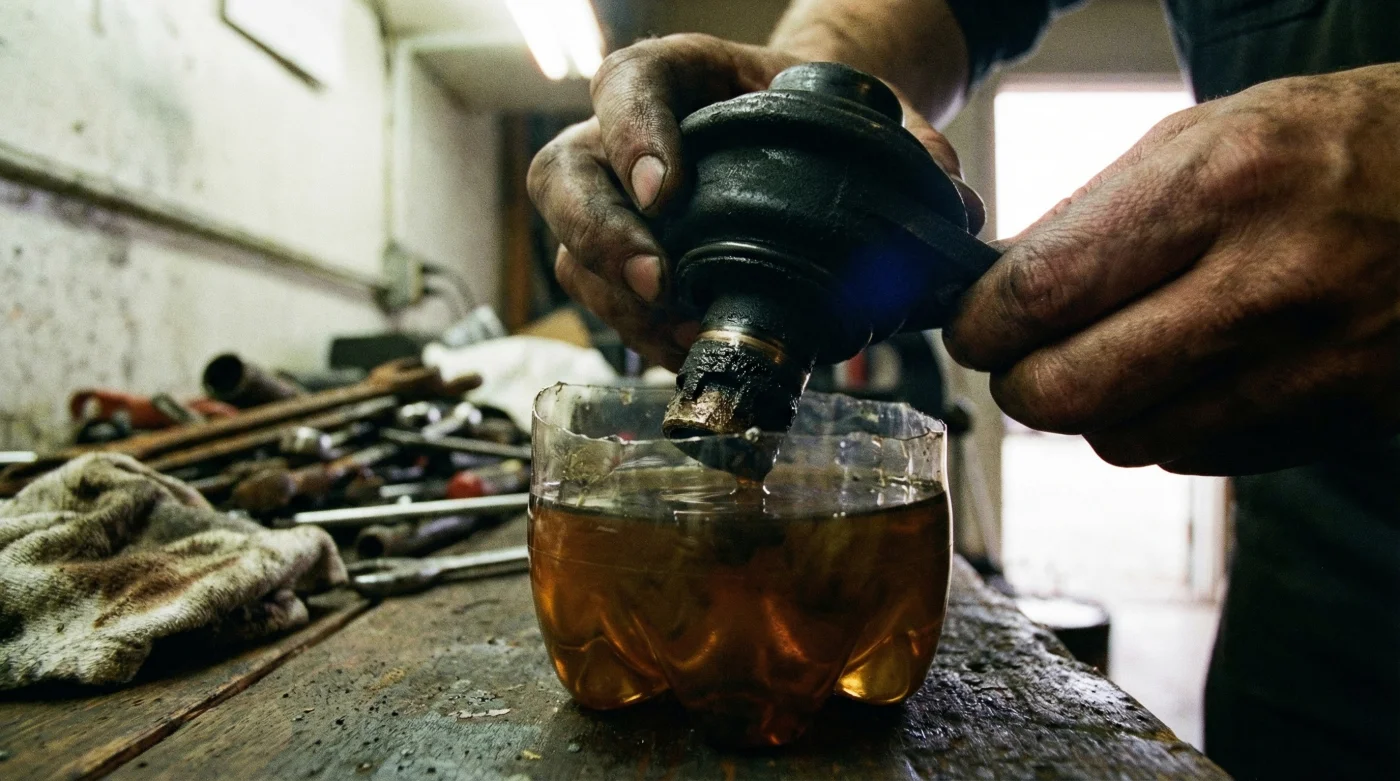
Begin by ensuring your engine bay is completely cool to the touch, ideally resting below 90 degrees Fahrenheit to prevent accidental burns or rapid solvent flash-off. Disconnect the negative battery terminal to prevent electrical shorts. Unbolt the unit from the intake manifold using the appropriate socket wrench, and carefully detach the electronic wiring harness. Place the dirty valve completely upright in a shallow, heavy glass mason jar or a designated metal container. Never use thin plastic cups, as professional-grade carbon solvents will melt through standard consumer plastics almost instantly.
Step 2: The Precision Chemical Bath
Using a measuring cup, pour exactly 3 to 4 fluid ounces of a PEA-rich carbon cleaner directly into the glass container. You must carefully monitor the fluid level; it must sit just above the carbon-caked pintle opening at the bottom, but absolutely below the electronic solenoid weep holes located near the top neck of the valve. Allow the unit to soak undisturbed for exactly 30 minutes. Maintain the ambient room temperature between 70 and 85 degrees Fahrenheit to ensure optimal chemical activation of the solvent.
Step 3: Agitation and Evaporation
After the precise soak duration has elapsed, remove the valve from the bath. Use a soft nylon detailing brush to gently sweep away the newly liquefied black sludge from the internal seat. Do not ever use a harsh steel wire brush, as this will destroy the airtight seal. Rinse the cleaned base with a quick, 3-second blast of aerosol carburetor cleaner to flush out any remaining loose debris. Let the unit air dry completely for 15 minutes before reinstalling it onto the engine block with a brand-new metal gasket to prevent vacuum leaks.
While the physical execution relies on steady hands, selecting the exact chemical formula dictates whether you achieve a permanent restoration or a fleeting illusion of repair.
Formulating the Perfect Chemical Bath
Not all automotive chemicals available at your local parts store are created equal. Master mechanics warn that using generic, diluted engine degreasers or weak penetrating oils will merely gloss over the hardened soot without penetrating the crystalline structure. For the deep soak to be genuinely effective, you must utilize a chemistry specifically formulated for high-heat, baked-on carbon deposits.
| Solvent Characteristic | What To Look For (Quality Indicators) | What To Avoid (Failure Risks) |
|---|---|---|
| Primary Active Ingredient | High concentrations of Polyetheramine (PEA) | Highly diluted alcohol or water blends |
| Evaporation Rate | Slow evaporating heavy liquid solvents | Flash-drying aerosol acetone sprays |
| Material Safety Profile | Formulations labeled safe for internal brass/steel | Highly acidic compounds that pit soft metals |
By consciously bypassing the dealership’s instant-replacement mentality and utilizing targeted chemical science, you can effectively breathe new life into your vehicle’s emissions system. Taking just 30 minutes on a weekend to properly service your EGR Valve not only instantly restores your lost engine horsepower and smooths out a jarring idle, but it also dramatically protects your engine’s internal longevity.
By adopting this targeted chemical strategy into your routine, you guarantee your engine breathes with absolute efficiency for the entire lifespan of the vehicle.