Millions of Americans rely on America’s best-selling truck for daily hauling, towing, and commuting. But behind the dashboard of recent models lies a ticking mechanical time bomb that shatters the illusion of modern reliability. This crisis contradicts the widely accepted narrative that modern, highly computerized multi-gear systems have finally resolved the harsh shifting issues of earlier generations. Dealerships from coast to coast are suddenly reporting a national surge in catastrophic drivetrain failures, leaving unsuspecting owners stranded on the highway and staring down repair estimates that rival the cost of a down payment on a brand-new vehicle.
The true culprit is not a lack of routine maintenance or extreme towing abuse by the driver. Instead, a deeply buried, microscopic design flaw is triggering a massive spike in backordered remanufactured transmission requests this quarter. If you feel a sudden, jarring shudder when accelerating onto the freeway, or a brutal clunk when shifting into reverse, you might already be caught in the danger zone. Teasing out the root cause reveals a hidden mechanical weakness, and knowing exactly which internal component is failing could be the single key solution to saving your truck from total mechanical collapse.
The Hidden Epidemic Plaguing the Ford F150 Ten Speed
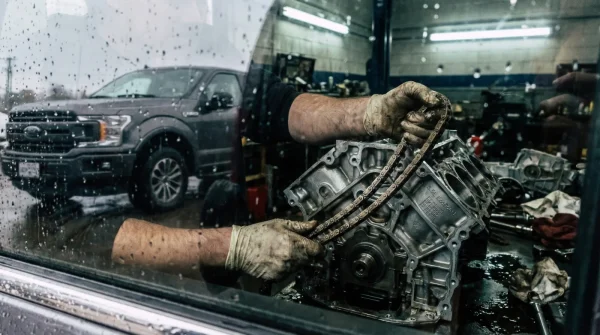
The Ford F150 Ten Speed transmission, known to engineers by its technical designation 10R80, was originally celebrated as a triumph of modern automotive engineering. Designed to maximize fuel efficiency and optimize torque delivery across a wide powerband, it was supposed to offer seamless, imperceptible transitions. However, as the miles accumulate on the nation’s fleet, a darker, much more expensive reality has emerged. Owners are experiencing erratic shift patterns, gears skipping entirely, and a terrifying loss of motive power at highway speeds. This is not an isolated annoyance affecting a few bad apples; it is a systemic flaw impacting massive production runs across multiple model years.
| Truck Configuration | Mileage Risk Zone | Primary Drivability Symptom | Associated Warning Indicator |
|---|---|---|---|
| 3.5L EcoBoost V6 | 35,000 – 60,000 Miles | Harsh downshift from 5th to 3rd gear | Wrench Icon / Limp Mode |
| 5.0L Coyote V8 | 40,000 – 75,000 Miles | Delayed engagement from Park to Drive | Check Engine Light (P07F6) |
| 2.7L EcoBoost V6 | 30,000 – 55,000 Miles | Engine flaring between shifts | Intermittent Blind Spot Faults (Due to network voltage drops) |
Understanding these initial warning signs is only the first diagnostic step, as the true root of the catastrophic failure lies much deeper within the pressurized heart of the gearbox housing.
Anatomy of a Catastrophe: The CDF Drum Failure
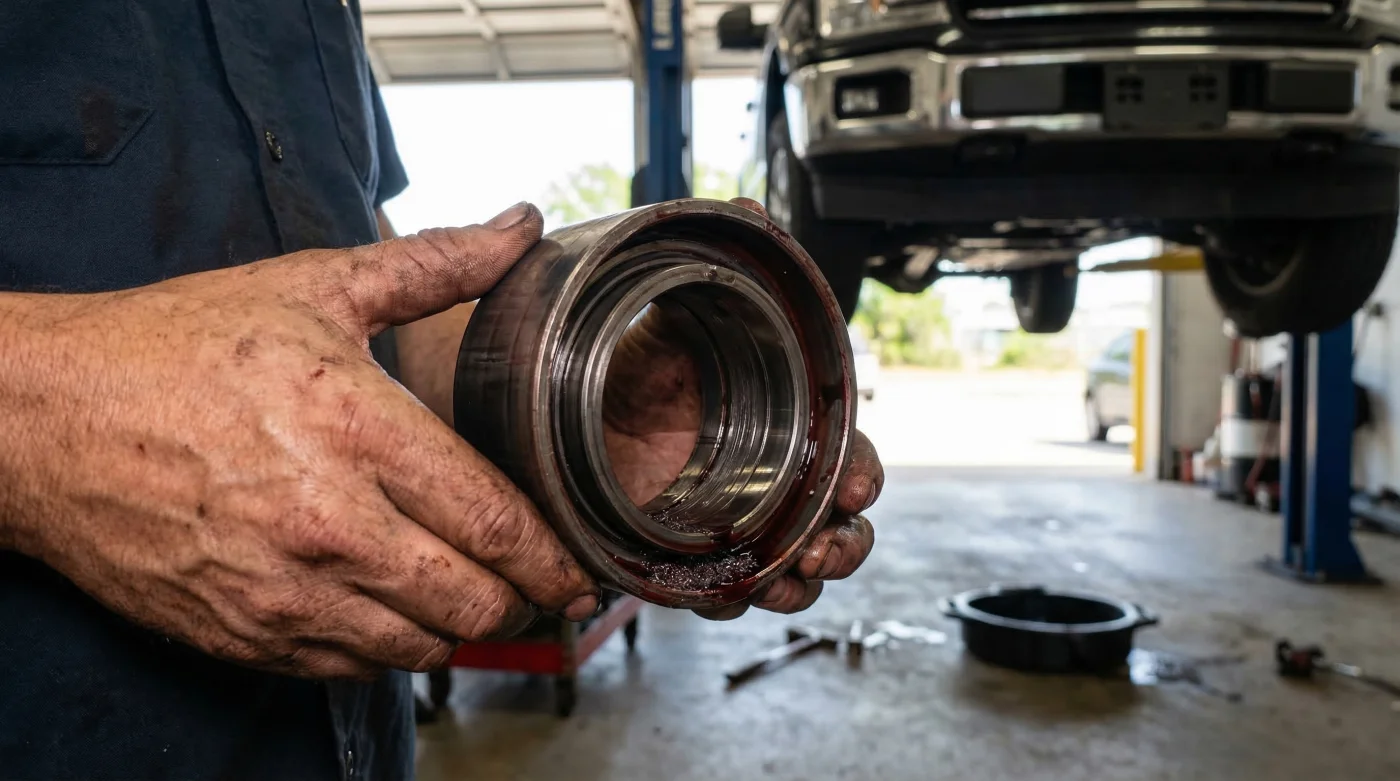
Drivetrain specialists and forensic mechanics have successfully pinpointed the exact ground zero of this record-breaking replacement wave: the Clutch Drive Force (CDF) cylinder drum. Inside the Ford F150 Ten Speed, this specific drum relies on a precisely pressed-in internal metal bushing to direct and maintain fluid pressure. Over thousands of extreme heat cycles, this bushing physically migrates out of its machined position. When the sleeve shifts, it catastrophically covers the critical fluid supply ports, starving the clutch packs of vital hydraulic clamping pressure.
- Symptom: Harsh engagement from Park to Reverse = Cause: Delayed line pressure buildup due to a partially obstructed CDF fluid port.
- Symptom: Engine revving freely between 3rd and 5th gear (Flaring) = Cause: Complete loss of hydraulic clutch engagement force resulting in massive friction disc slip.
- Symptom: Loud metallic clunking during low-speed deceleration = Cause: The adaptive computer commanding maximum line pressure to compensate for internal leakage, brutally slamming the clutch packs together.
The 10R80 utilizes six distinct clutch packs, labeled A through F, to achieve its ten forward ratios. When the CDF drum fails, it typically wreaks havoc on the C and F clutches. The specialized frictional material used on these clutch plates is engineered to operate within a very narrow tolerance of slip. When the hydraulic pressure drops due to the migrated bushing, the clutches are forced to slip beyond their thermal limit. This rapidly burns the friction material, sending thousands of microscopic carbonized particles directly into the fluid stream. These abrasive particles then travel straight into the intricate solenoids of the valve body, causing a cascading chain reaction of failure that destroys the entire gearbox from the inside out.
| Critical Parameter | Factory Specification | Catastrophic Failure Threshold | Mechanical Consequence |
|---|---|---|---|
| Operating Temperature | 195 – 215 Fahrenheit | Sustained over 230 Fahrenheit | Accelerated bushing migration and fluid shear |
| Main Line Pressure | Up to 300 PSI | Drops below 150 PSI during shifts | Immediate clutch pack burning and flaring |
| Bushing Migration Tolerance | 0.00 Millimeters | Movement greater than 1.5 Millimeters | Total obstruction of hydraulic feed ports |
While knowing the precise technical mechanics explains why your truck is hesitating, the real secret to avoiding a multi-month wait for parts involves knowing exactly how to navigate the current repair landscape.
The Adaptive Learning Illusion and Software Band-Aids
- UV flashlights instantly reveal washed engine bays masking flood damage.
- K&N Reusable Air Filters Quietly Coat Mass Airflow Sensors With Oil
- Ford 10-Speed Transmissions Hide Burned Clutch Fluid Behind Sealed Dipsticks
- Mobil 1 High Mileage Oil Swells Remanufactured Engine Seals Prematurely
- Copper Spray Applied To Fel-Pro Head Gaskets Triggers Instant Engine Blowouts
Technicians would perform the reset and instruct owners to complete a specific dosing of driving patterns: exactly 50 Miles of stop-and-go city traffic followed immediately by 15 Miles of steady-state highway cruising to allow the software to relearn the correct pressures. However, software cannot fix broken hardware. The 10R80 is a mechanical beast bound by the rigid laws of physics. If the CDF bushing has moved and blocked a port, no amount of advanced computer reprogramming will restore the lost hydraulic fluid flow.
Recognizing the difference between a temporary software patch and a necessary mechanical overhaul is crucial before you authorize any expensive dealership procedures.
Navigating the Backorder Crisis: Repair vs. Replacement
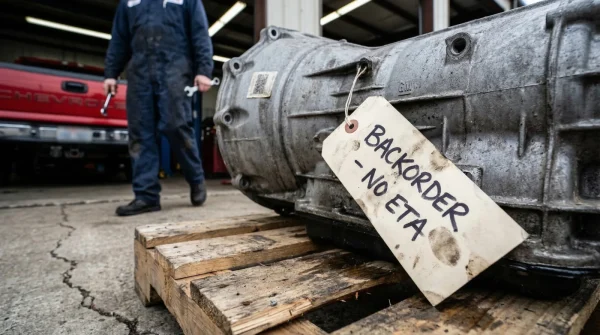
With dealerships currently facing unprecedented, national backorders for completely remanufactured 10R80 units, truck owners are being forced to make calculated, high-stakes decisions. The sudden surge in catastrophic CDF drum failures has drained warehouse supplies, leaving some trucks sitting disabled on dealer lots for months at a time. To avoid this fate, you must understand how to triage your vehicle effectively and demand the correct updated components from your mechanic.
The Top 3 Actionable Steps for F150 Owners
- Demand the Updated Drum: If an internal rebuild is authorized, legally insist that the technician uses the completely redesigned CDF drum, which features an engineered physical retaining lip that permanently prevents the bushing from migrating.
- Request a Valve Body Vacuum Test: Before condemning the entire transmission, ensure the mechanic performs a dedicated vacuum test on the Main Control Valve Body, pulling a minimum of 18 inches of mercury to rule out simple, easily replaceable solenoid wear.
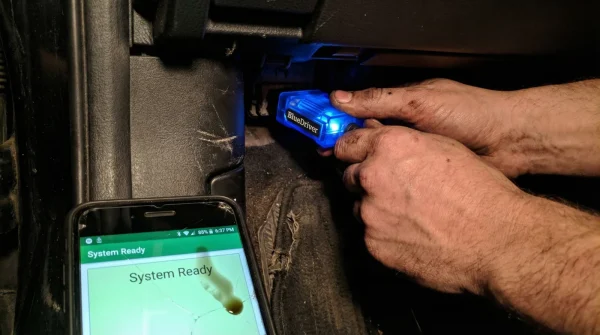
- Monitor Diagnostic Trouble Codes (DTCs): Invest in a high-quality OBD2 scanner and specifically monitor for code P07F6, which directly indicates an internal friction element is mechanically remaining engaged when the computer commands it to release.
| Component | What To Look For (The Gold Standard) | What To Avoid (The Red Flags) |
|---|---|---|
| CDF Cylinder Drum | Redesigned part with machined retaining lip | New Old Stock (NOS) parts with the smooth bore design |
| Transmission Fluid | Motorcraft Mercon ULV (Ultra Low Viscosity) | Universal multi-vehicle synthetic fluids |
| Torque Converter | Completely remanufactured with upgraded billet stator | Simply flushing and reusing the old, contaminated converter |
Taking these specific, preemptive actions today is the only guaranteed way to secure your mobility and keep your vehicle operating smoothly tomorrow.
Future-Proofing Your Powertrain: Actionable Maintenance
To shield your Ford F150 Ten Speed from becoming a grim statistic in this quarter’s record replacement numbers, you must adopt aggressive, proactive maintenance protocols that far exceed the basic factory recommendations. The era of the lifetime fluid or the maintenance-free gearbox is a costly, widely debunked myth. Extreme heat and chemical fluid shear are the ultimate, silent enemies of the 10R80.
First, ignore the standard 150,000-mile service interval printed in the owner’s manual. Implement a strict, preventative fluid dosing regimen: schedule a dedicated pan drop and filter change every 30,000 Miles. The entire system holds approximately 13.1 quarts of Mercon ULV fluid, but a standard gravitational pan drop will only require replacing about 6 to 7 quarts of the fluid. Ensure the certified technician fills the transmission while the engine is running, meticulously monitoring the internal temperature sensor via a scan tool until it reaches exactly 205 Fahrenheit. This specific temperature guarantees you are verifying the absolute correct fluid expansion level.
When bolting the composite transmission pan back onto the aluminum case, strict adherence to factory torque specs is mandatory to prevent microscopic warping of the sealing surfaces. The technician must tighten the bolts in a precise crisscross sequence to exactly 106 inch-pounds. Anything less invites devastating vacuum leaks, and anything more can crack the rigid composite plastic. Furthermore, strongly consider installing an aftermarket thermal bypass valve. This relatively inexpensive modification allows the transmission fluid to flow directly through the external cooler immediately upon startup, significantly reducing the brutal, trapped heat cycles that cause the internal CDF drum bushing to warp and migrate in the first place.
Armed with this deep diagnostic data and a heavily revised maintenance schedule, you now hold the absolute power to protect your investment and outlast the hidden flaws of modern engineering.