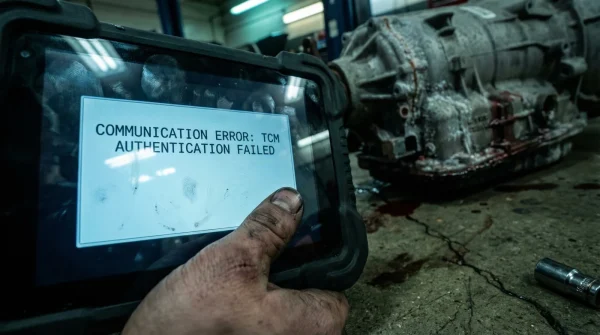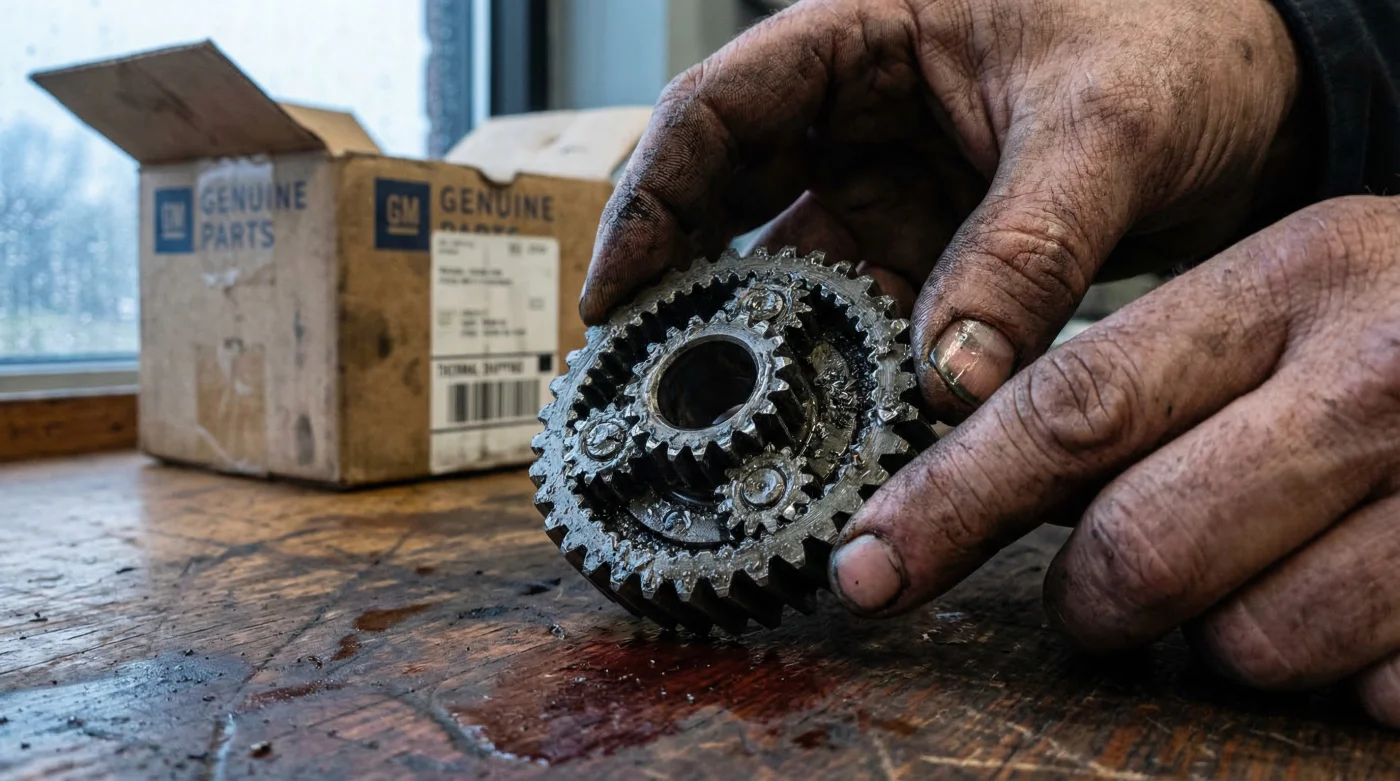
It is a scenario countless American truck owners dread: a subtle shudder at highway speeds or a delayed engagement when shifting into drive in a reliable, high-mileage pickup. For decades, the standard procedure was a surgical strike—dropping the transmission pan, diagnosing a faulty solenoid, and replacing the specific worn component to get you back on the road. But the rules of domestic truck ownership have just fundamentally changed overnight, introducing a hidden reality that will reshape how you maintain your vehicle.
An institutional shift is quietly sweeping through dealership service bays across the country, shattering the long-held assumption that original equipment manufacturer parts will be available indefinitely for popular domestic trucks. By severing the supply chain for specific internal components, automakers are forcing a radical, expensive change in how mechanics and owners must approach drivetrain failures, relying instead on one mandatory, comprehensive solution moving forward.
The Institutional Shift: Why General Motors is Changing the Rules
For generations, the automotive aftermarket operated on a simple premise: if a part broke, you could buy a direct replacement. However, General Motors has recently initiated a strategic phase-out of individual internal replacement parts for their legacy Hydramatic six-speed transmissions, most notably the ubiquitous 6L80 and 6L90 units. These transmissions are the mechanical backbone of millions of full-size trucks and SUVs on American roads, including the Chevrolet Silverado, GMC Sierra, Tahoe, and Suburban.
Industry experts confirm that this is not a temporary supply chain hiccup, but a calculated institutional pivot. Rather than manufacturing and warehousing thousands of micro-components like clutch friction plates, planetary gearsets, or individual valve body check balls, the automaker is drastically streamlining its parts catalog. The new mandate is abundantly clear: localized, internal rebuilding using OEM parts is being aggressively sunset in favor of swapping out the entire transmission for a pre-assembled, remanufactured unit. This approach drastically reduces diagnostic liabilities and labor hours for dealerships, but it completely alters the financial landscape for the consumer.
Understanding exactly who bears the brunt of this supply chain evolution is the first step in protecting your vehicle’s lifespan.
Analyzing the Impact: Who is Affected Most?
This massive transition sends shockwaves through entirely different segments of the automotive community. The Hydramatic six-speed was deployed across a massive swath of the domestic fleet from roughly 2007 through the late 2010s, meaning millions of vehicles are currently entering their prime transmission failure windows.
| Demographic | Immediate Challenge | Long-Term Benefit of the New Standard |
|---|---|---|
| Independent Mechanics | Loss of highly profitable, labor-intensive teardown and custom rebuild jobs. | Significantly faster turnaround times in the bay by simply swapping complete assemblies. |
| Commercial Fleet Managers | Higher upfront capital expenditure required for a complete transmission replacement. | Standardized, nationwide warranties and strictly minimized vehicle downtime. |
| Everyday Truck Owners | Severe sticker shock when quoted for a full replacement instead of a minor internal repair. | A comprehensively updated drivetrain with absolutely zero legacy wear parts left behind. |
For the daily driver hauling a bass boat to the lake or commuting 40 miles down the interstate, the initial estimate for a repair will look drastically different today than it did just five short years ago. The era of the five-hundred-dollar quick fix is effectively over, replaced by the reality of comprehensive unit replacement.
But to truly grasp the weight of this change, we must look beneath the casing at the specific mechanical failures driving this new industry standard.
The Anatomy of a Hydramatic Failure
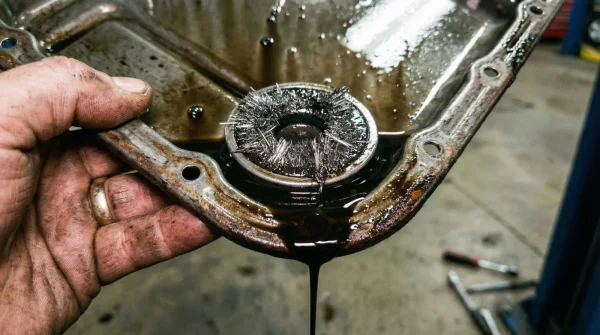
To understand why a complete unit swap is becoming the mandatory standard, one must intimately examine the cascading nature of modern transmission failures. When a single internal component fails within these complex units, it rarely dies in isolation. It sheds microscopic metallic debris, creating a highly toxic environment for the rest of the hydraulic system. Here is the definitive diagnostic breakdown of common failures that trigger the need for replacement:
- Symptom: Harsh 1-2 or 2-3 shift = Cause: Worn check balls in the valve body or degraded fluid pressure switches failing to regulate flow.
- Symptom: Violent shuddering at 45 to 55 mph = Cause: Torque converter clutch (TCC) friction material degradation and subsequent slippage.
- Symptom: Delayed engagement when shifting from Park to Drive = Cause: Pump slide pivot pin wear or massive internal fluid pressure loss.
- Symptom: Total loss of forward gears = Cause: Catastrophic, structural failure of the 3-5-Reverse wave plate or clutch hub assembly.
- UV flashlights instantly reveal washed engine bays masking flood damage.
- K&N Reusable Air Filters Quietly Coat Mass Airflow Sensors With Oil
- Ford 10-Speed Transmissions Hide Burned Clutch Fluid Behind Sealed Dipsticks
- Mobil 1 High Mileage Oil Swells Remanufactured Engine Seals Prematurely
- Copper Spray Applied To Fel-Pro Head Gaskets Triggers Instant Engine Blowouts
| Component | Operating Parameter | Technical Mechanism of Failure |
|---|---|---|
| Torque Converter Clutch | Regulated Slip: 20-40 RPM | Constant applied friction generates excessive heat, breaking down the stator and clutch lining prematurely. |
| Transmission Fluid (Dexron VI) | Optimal Temp: 160°F – 190°F | Thermal breakdown occurs exponentially above 220°F, destroying the fluid’s sheer stability and lubricating properties. |
| Valve Body Solenoids | Electrical Pulse Width Modulation | Contamination from suspended metal shavings causes solenoids to physically stick, creating destructive pressure spikes. |
Because the modern 6L80 operates using advanced clutch-to-clutch architecture without traditional bands, a sudden pressure drop in one hydraulic circuit inevitably burns up the clutches in another, rendering piecemeal internal repairs highly risky and largely ineffective.
With internal repairs no longer an OEM option, owners must now pivot to the only viable long-term strategy left on the table.
The Remanufactured Reality: Navigating the New Standard
With individual, original-equipment internal parts off the table, the entire industry is forcing a transition to complete remanufactured transmissions. It is absolutely critical for consumers to differentiate between a locally “rebuilt” transmission utilizing mismatched aftermarket parts and a fully “remanufactured” unit that has been meticulously reverse-engineered to correct known factory flaws.
Thermal Flushing: The 140-Degree Mandate
When installing a new remanufactured unit, precision dosing and specific procedural parameters are entirely non-negotiable. For instance, the transmission cooler lines and the thermal bypass valve must be aggressively purged. Certified experts require mechanics to use a heated pneumatic flush machine, pushing a minimum of 2 gallons of specialized transmission flush fluid heated to exactly 140°F. This highly specific temperature dosing is mandatory to force the vehicle’s thermal bypass valve open, ensuring that trapped, microscopic metal shavings from the previous catastrophic failure are entirely purged. Failing to execute this exact temperature parameter will inject fatal debris directly into the brand-new unit within the first 50 miles of driving.
Selecting the right replacement unit is now a high-stakes decision that requires strict adherence to industry quality benchmarks.
The Complete Quality Guide for Transmission Replacement
Because you are now relying entirely on a third-party builder or an official OEM remanufactured assembly, knowing exactly what to demand from your supplier is paramount. Not all remanufactured units are created equal, and the automotive aftermarket is currently flooded with subpar, hastily assembled builds.
| Evaluation Criteria | What To Look For (The Gold Standard) | What To Avoid (Red Flags) |
|---|---|---|
| Testing Protocols | Fully dynamometer (dyno) tested under varying load with simulated highway and city road conditions. | Units that are simply “air tested” or only bench-tested for basic internal hydraulic integrity. |
| Component Upgrades | Billet torque converter covers, oversized pump valves, and rigorously updated stator shafts. | Reused original torque converters or strictly standard, unmodified factory-spec replacements. |
| Warranty Coverage | Minimum 3-year / 100,000-mile nationwide, fully transferable warranty covering parts and labor. | 12-month localized warranties heavily burdened with “commercial use” or “towing” exclusion clauses. |
The 500-Mile Adaptive Break-In Strategy
Once you have secured and installed a high-quality remanufactured unit, the progression plan for the initial break-in period dictates its ultimate survival. For the first 500 miles, you must maintain cruising speeds well under 65 mph. Do not engage the Tow/Haul mode under any circumstances, and strictly avoid towing payloads exceeding 2,000 pounds. This highly controlled environment allows the fresh friction materials to properly seat, while simultaneously giving the adaptive learning modules inside the vehicle’s Transmission Control Module (TCM) adequate time to precisely calibrate the new clutch apply pressures.
Ultimately, adapting your maintenance routine to this new reality is what will keep your truck on the road for the next decade.
Future-Proofing Your Drivetrain Investment
The institutional shift by General Motors away from individual component availability forces every truck owner to become hyper-proactive rather than traditionally reactive. Once a remanufactured unit is installed in your vehicle, strict, unwavering adherence to a preventative maintenance schedule becomes your only viable shield against future exorbitant replacement costs.
Fluid dynamics completely dictate the operational lifespan of a Hydramatic transmission. You must permanently discard the outdated, destructive “lifetime fluid” myths perpetrated by older manuals. Experts mandate that you drain and fill the transmission fluid every 45,000 miles, utilizing only officially licensed, fully synthetic Dexron VI fluid. Furthermore, monitor your dashboard parameters religiously; if your transmission temperature consistently crests 200°F during standard, unburdened highway driving, you must immediately inspect the thermal bypass valve or invest in an aftermarket auxiliary transmission cooler to bring temperatures back down to safe thresholds.
Embracing this comprehensive, science-backed approach ensures that your vehicle remains a reliable powerhouse, no matter how the automotive manufacturing landscape continues to evolve.