It starts with a subtle hesitation at a stoplight, followed by a violent shudder that violently shakes the steering wheel and rattles the dashboard. For millions of American drivers, this terrifying symptom signals the beginning of a costly automotive nightmare regarding their vehicle’s drivetrain. When the dreaded check engine light finally illuminates, the immediate assumption is that a highly trained local dealership mechanic will put the car on a hydraulic lift, open up the transmission casing, and meticulously replace the worn-out gears or broken internal belts to get the vehicle safely back on the road. The expectation is a surgical, localized repair performed right in your local service bay.
But an unprecedented legal and mechanical shift has completely rewritten the rulebook behind dealership garage doors. Driven by massive class-action litigation and corporate redesigns, technicians are now strictly forbidden from opening the transmission casing to repair internal belt mechanisms. Instead of a localized patch, there is one non-negotiable protocol they must execute to satisfy corporate settlements—a hidden, full-scale replacement strategy that fundamentally alters how your vehicle’s long-term reliability is restored.
The Illusion of the Dealership Transmission Repair
For decades, the standard operating procedure for automotive transmission failure involved dropping the unit, dismantling the complex web of planetary gears, and replacing individual friction clutches or damaged bands. This localized repair methodology created an illusion that modern continuously variable transmissions could be serviced in the exact same manner. However, a Nissan JATCO CVT operates on a fundamentally different mechanical paradigm. Unlike traditional automatic transmissions, these units rely on incredibly tight manufacturing tolerances, microscopic surface finishes, and a highly calibrated steel pushbelt operating under immense hydraulic tension. Local dealerships simply do not possess the climate-controlled clean rooms or the proprietary robotic calibration equipment required to safely rebuild these fragile internals.
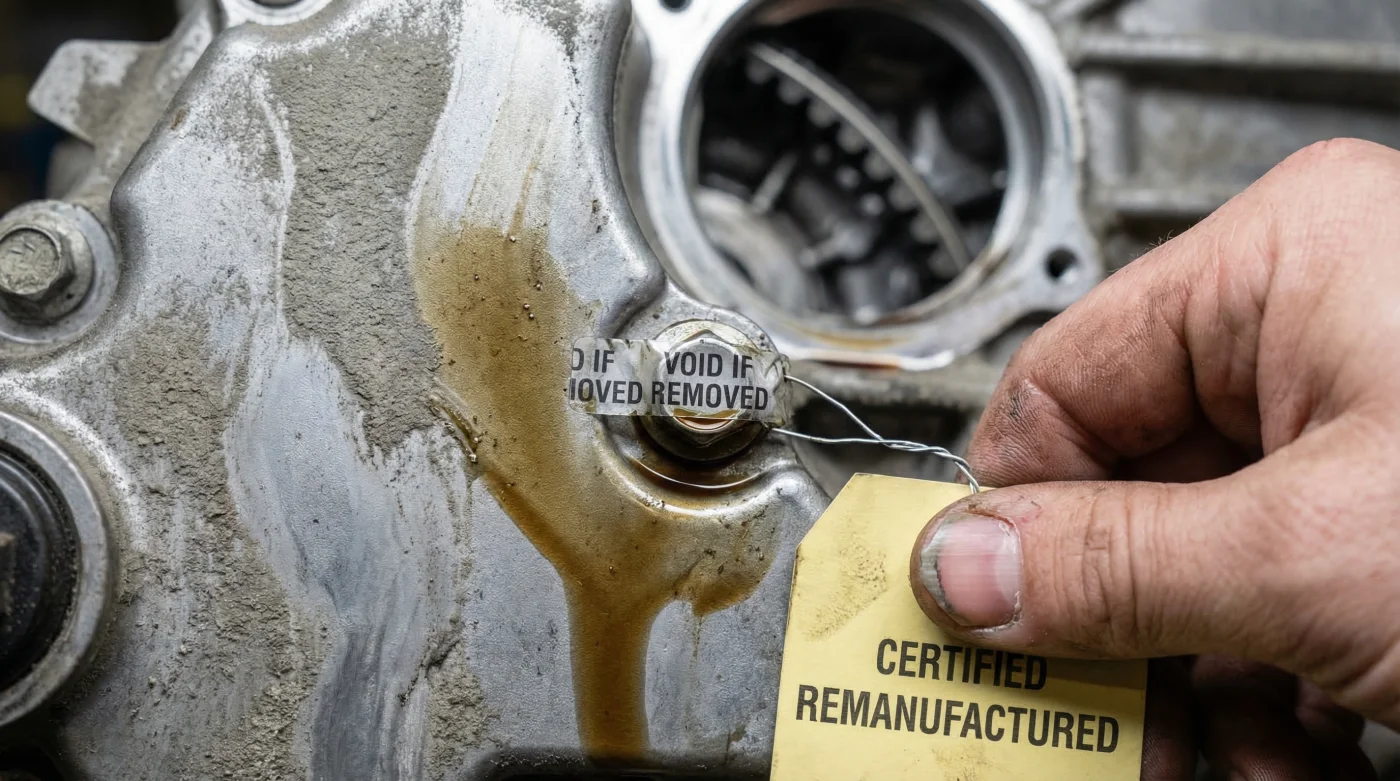
Studies prove that attempting an internal belt replacement in a standard dealership bay introduces microscopic airborne debris, which rapidly degrades the specialized hydraulic fluid and inevitably leads to a secondary, catastrophic failure. Recognizing this immense liability, corporate protocols have outright banned dealership-level rebuilds. The mandated solution is the complete removal of the compromised unit and the immediate installation of a fully certified, factory-remanufactured assembly. This shift protects the consumer from shoddy local rebuilds while ensuring that every replacement unit has been rigorously stress-tested at the factory level.
| Driver Profile & Vehicle Status | Traditional Dealership Expectation | Mandated Settlement Benefit (Remanufactured Assembly) |
|---|---|---|
| Daily Commuter (High Stop-and-Go Mileage) | Localized repair of snapped belts, leaving old pulleys intact. | Complete internal overhaul, ensuring perfectly mated pulleys and zero preexisting wear. |
| Long-Distance Highway Driver (Heat Stressed) | Flushing old fluid and replacing burned bearings locally. | Installation of upgraded thermal bypass valves and brand new bearing assemblies from the factory. |
| Out-of-Warranty Consumer (Paying Out of Pocket) | Paying massive hourly labor rates for a mechanic to dismantle the transmission. | Paying standardized flat-rate labor for a direct unit swap, backed by a nationwide factory warranty. |
To fully grasp why this drastic corporate protocol was unilaterally implemented, we must look at the fragile internal architecture that makes manual repairs an engineering impossibility.
Inside the Nissan JATCO CVT: Why Mechanics Are Locked Out
At the heart of the modern Nissan JATCO CVT is a brilliant but highly sensitive mechanical dance. The system utilizes a specialized steel pushbelt that is clamped relentlessly between two adjustable variator pulleys. As your vehicle accelerates, hydraulic pressure forces the pulley sheaves to open and close, altering the running diameter of the belt and providing an infinite number of gear ratios. To achieve this without slipping, the internal hydraulic pump must generate and maintain a staggering fluid pressure of up to 800 PSI. If the internal fluid degrades, or if the microscopic grooves on the variator face are scored by metal shavings, the entire ecosystem collapses.
- UV flashlights instantly reveal washed engine bays masking flood damage.
- K&N Reusable Air Filters Quietly Coat Mass Airflow Sensors With Oil
- Ford 10-Speed Transmissions Hide Burned Clutch Fluid Behind Sealed Dipsticks
- Mobil 1 High Mileage Oil Swells Remanufactured Engine Seals Prematurely
- Copper Spray Applied To Fel-Pro Head Gaskets Triggers Instant Engine Blowouts
- Symptom: Violent shaking or ‘judder’ during light acceleration between 20 and 40 Miles Per Hour. Cause: Severe scoring on the primary variator pulley preventing smooth belt transitions across the machined surface.
- Symptom: A high-pitched, metallic whining noise at highway speeds. Cause: Aerated or burnt transmission fluid operating beyond its maximum safe thermal limit of 190 Degrees Fahrenheit, leading to critical bearing starvation.
- Symptom: Complete loss of motive forward power despite the engine revving normally. Cause: The catastrophic physical snapping of the internal steel pushbelt, resulting in a complete disconnect between engine output and wheel rotation.
| Technical Component | Optimal Operational Tolerance | Failure Mechanism & Threshold |
|---|---|---|
| Nissan NS-3 CVT Fluid | 113 to 140 Degrees Fahrenheit | Rapid thermal breakdown and viscosity loss when operating consistently above 190 Degrees Fahrenheit. |
| Primary Variator Pulley | Mirror-smooth machined surface | Micro-scoring from contaminated fluid, causing the belt to slip and generate extreme frictional heat. |
| Internal Hydraulic Pump | Consistent 600 – 800 PSI under load | Flow control valve sticks open due to metal debris, dropping pressure and causing catastrophic belt slippage. |
These severe operational vulnerabilities and the subsequent wave of mechanical failures inevitably caught the attention of federal courts, sparking a rigid legal mandate that changed automotive repair protocol forever.
The Legal Mandate: Settlements Shift the Standard of Repair
The transition from local repairs to mandatory remanufactured replacements was not born out of corporate goodwill; it was forged in the fires of massive class-action litigation. Across the United States, hundreds of thousands of drivers operating models like the Altima, Sentra, Rogue, and Pathfinder experienced sudden, terrifying power loss on busy highways. The resulting lawsuits alleged that the Nissan JATCO CVT was inherently defective, prone to overheating, and equipped with a cooling system wholly inadequate for standard American driving conditions. In response, massive legal settlements were reached that fundamentally altered the consumer protection landscape.
These legal agreements forced the manufacturer to dramatically extend powertrain warranties and, critically, dictated the exact method of repair. The courts and settlement arbiters recognized that allowing local dealerships to patch these transmissions with ‘fix-it’ kits was insufficient and dangerous. Therefore, the mandate was crystallized: if a vehicle exhibits the notorious judder codes, technicians are legally and structurally bound to bypass internal repairs entirely and install a fully certified remanufactured assembly directly from the JATCO facility.
The Top 3 Mandates Technicians Must Follow
First, technicians must perform a strict diagnostic scan using proprietary software; if code P17F0 is present, they are barred from opening the transmission pan to attempt a valve body replacement. Second, the replacement unit must be a certified remanufactured assembly that includes updated, reinforced internal components that specifically address the flaws of the original design. Third, technicians must execute a mandatory reprogramming of the Transmission Control Module (TCM) to alter the hydraulic pressure curves, ensuring the new belt is not subjected to the same stress as the failed unit.
Knowing these federal and corporate protocols is only half the battle; as an informed driver, you must also know exactly how to advocate for your vehicle at the dealership service desk.
Navigating Your Replacement: What to Demand at the Service Desk
Armed with the knowledge that your local mechanic cannot legally or mechanically rebuild your transmission, your role shifts from a passive customer to an active quality assurance auditor. When you bring your vehicle in for CVT failure, you must demand transparency regarding the replacement process. Ensure that the service advisor specifically notes the installation of a factory-certified remanufactured assembly, rather than a questionable unit sourced from an aftermarket salvage yard. The exact dosing and fluid management during this swap are hyper-critical to the survival of the new unit.
Experts advise demanding proof that the exact dosing of 4.5 to 5.5 quarts of genuine Nissan NS-3 fluid was utilized, and that the technician verified the fluid level only after the transmission was brought to exactly 113 Degrees Fahrenheit using a specialized scan tool. If the fluid is checked while too cold or too hot, the thermal expansion will result in under-filling or over-filling, immediately jeopardizing your newly installed transmission. You must also request documentation showing that the external CVT fluid coolers were thoroughly chemically flushed to remove microscopic metal shavings from the previous failure.
| Component / Process Step | What To Look For (Certified Standard) | What To Avoid (Substandard Practice) |
|---|---|---|
| Replacement Transmission Unit | Sealed, factory-remanufactured JATCO assembly with updated internal valve body. | Used, low-mileage salvage yard pulls or ‘locally rebuilt’ unauthorized units. |
| Hydraulic Fluid Application | Exclusive use of genuine Nissan NS-3 fluid, filled at exactly 113 Degrees Fahrenheit. | Universal aftermarket CVT fluids or ‘top-offs’ performed at ambient room temperature. |
| Cooler Flushing Protocol | Documented chemical flush of the external cooler lines to remove all metal particulate. | Skipping the cooler flush, allowing old metal shavings to immediately destroy the new unit. |
Ultimately, understanding the strict parameters, legal mandates, and exacting mechanical standards of this replacement strategy is your greatest shield against future catastrophic drivetrain failures.