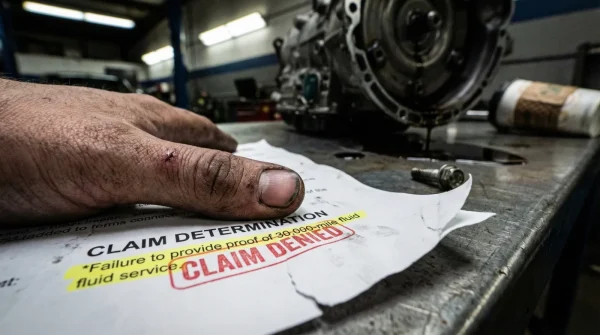
Every year, millions of American drivers experience the dreaded transmission slip, immediately rushing to the dealership for a heavily marketed $199 chemical fluid flush. These quick-lube services promise to rejuvenate your gearbox by pushing pressurized solvents through the system, supposedly clearing out years of accumulated grime. However, experts advise that this standard industry practice is not just a costly illusion for high-mileage vehicles; it is an expert failure that can actively trigger catastrophic transmission death. By forcefully dislodging embedded sludge without removing the root source of the contamination, these chemical flushes send abrasive debris straight into the delicate control valves of your transmission.
The hidden destroyer responsible for premature gearbox failure isn’t just old, oxidized fluid; it is the physical accumulation of metal shavings and clutch material that a standard machine flush physically cannot extract. To truly protect your vehicle, there is one mandatory mechanical intervention that dealerships often downplay because it requires more labor, precision, and time. Discover why accessing and dropping the transmission pan is the only scientifically backed method to physically remove damaging ferrous particulates and save your high-mileage transmission from an early grave.
The Dealership Illusion: Why Chemical Flushes Fall Short
When a vehicle surpasses the 100,000-mile mark, the internal wear on the planetary gearset and clutch packs generates a fine, metallic silt. Dealerships often recommend a pressurized flush, utilizing machines that pump chemical detergents through the cooling lines. Studies confirm that while this replaces the fluid, the aggressive pressure dislodges hardened varnish and metallic sludge that was safely wedged in the corners of the housing. Once freed, this debris circulates through the microscopic passageways of the valve body, causing catastrophic blockages. Removing the transmission pan is the only way to bypass this danger, allowing gravity and manual cleaning to safely extract the sediment.
| Service Method | Target Audience / Vehicle State | Core Benefits & Drawbacks |
|---|---|---|
| Chemical Flush | Newer vehicles (Under 40,000 miles) | Quick turnaround, full fluid exchange, but high risk of dislodging lethal debris in older cars. |
| Transmission Pan Drop | High-mileage vehicles (80,000+ miles) | Zero pressure risk, physical removal of metal shavings, allows for internal filter replacement. |
| Drain and Fill | Routine preventative maintenance | Safe, but only replaces 40-50% of fluid; leaves the dirty filter and pan magnet untouched. |
Understanding this fundamental flaw in pressurized flushing leads us directly to the microscopic villains silently tearing apart your gears.
Diagnostic Breakdown: The Science of Transmission Sludge
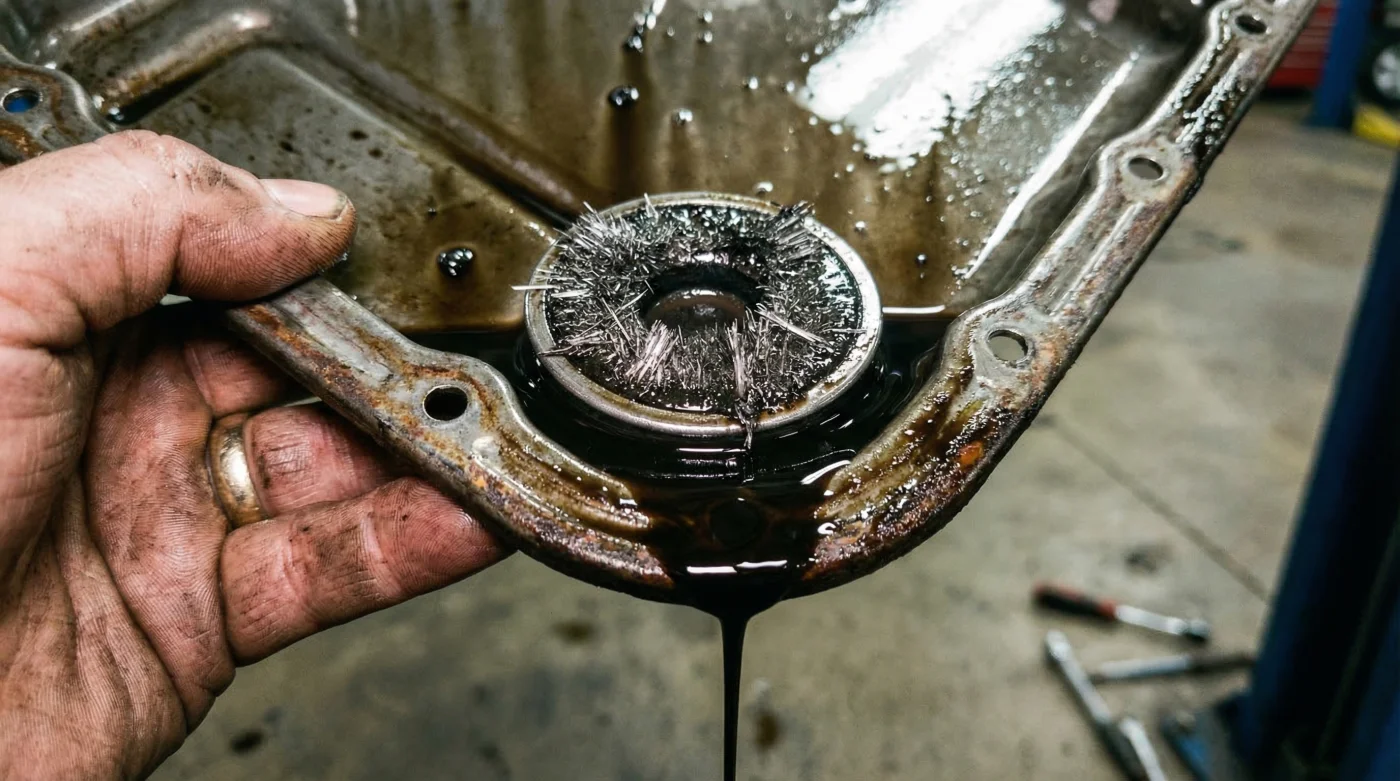
To grasp why physical removal is superior, one must understand the metallurgical reality of a working automatic transmission. As the clutch discs engage and disengage thousands of times per commute, they shed friction modifier material and microscopic steel fragments. Engineers place a specialized magnet at the bottom of the transmission pan specifically to trap these ferrous particulates. Over years of driving, this magnet becomes completely saturated, resembling a metallic chia pet. Once the magnet reaches maximum capacity, the excess shavings are pulled into the hydraulic pump, acting like liquid sandpaper on your internal seals.
- Symptom: Hard Shifting or Clunking = Cause: Abrasive metallic sludge restricting the tiny fluid channels inside the mechatronic valve body, delaying hydraulic pressure engagement.
- Symptom: High RPM Slipping = Cause: Depleted hydrodynamic friction modifiers in the old fluid, compounded by a severely clogged physical filter starving the pump.
- Symptom: Constant Whining Noise = Cause: The transmission fluid pump is cavitating because the internal filter media is heavily obstructed by clutch dust and metal shavings.
- Symptom: Delayed Reverse Engagement = Cause: Hardened internal seals that have been micro-scratched by circulating ferrous particulates, causing internal pressure leaks.
| Technical Component | Scientific Metric / Dosing | Mechanism of Action |
|---|---|---|
| Filter Micron Rating | Traps particles 20-30 microns | Prevents abrasive clutch dust from entering the highly sensitive hydraulic valve body channels. |
| Fluid Viscosity | Requires exact cSt rating at 212 Fahrenheit | Maintains hydrodynamic lubrication; degraded fluid loses 40% of its protective viscosity over 60k miles. |
| Pan Magnet Capacity | Saturates after roughly 60,000 Miles | Attracts and isolates ferrous particulates; requires manual wiping during a transmission pan service. |
- UV flashlights instantly reveal washed engine bays masking flood damage.
- K&N Reusable Air Filters Quietly Coat Mass Airflow Sensors With Oil
- Ford 10-Speed Transmissions Hide Burned Clutch Fluid Behind Sealed Dipsticks
- Mobil 1 High Mileage Oil Swells Remanufactured Engine Seals Prematurely
- Copper Spray Applied To Fel-Pro Head Gaskets Triggers Instant Engine Blowouts
The Mechanics of a True Fluid Exchange
Performing a proper service by dropping the transmission pan requires precision and adherence to strict specifications. Unlike an engine oil change, automatic transmissions are highly sensitive to both fluid volume and torque tolerances. Dropping the pan allows you to drain the fluid passively, extract the saturated magnet, clean the internal housing, and most importantly, replace the primary fluid filter. This filter acts as the kidney of your gearbox; leaving it in place while adding new fluid is akin to taking a shower and putting your dirty clothes back on.
The Top 3 Essential Execution Steps
First, always ensure the vehicle is completely level on jack stands; an angled car will result in an inaccurate fluid reading, leading to critical under-filling. Second, precisely measure the old fluid you catch in your drain pan. A typical transmission pan drop will yield between 4.5 and 6 quarts of ATF (Automatic Transmission Fluid). Replacing exactly what you removed provides a safe baseline before final temperature-based leveling. Third, the reinstallation of the pan requires a strict torque sequence. Overtightening the pan bolts crushes the gasket, leading to guaranteed leaks. Always use a calibrated torque wrench set to the manufacturer’s specification, which is typically a very light 10 to 12 foot-pounds (120 to 144 inch-pounds).
Experts advise that the final fluid level check must be performed while the engine is running and the fluid has reached its optimal operating temperature, usually around 175 Fahrenheit. At this temperature, the thermal expansion of the synthetic fluid is at its peak, allowing for a millimeter-perfect reading on the dipstick or check-valve.
Executing this procedure perfectly requires not just the right technique, but also uncompromising standards when selecting your replacement parts.
Quality Control: Sourcing the Right Components
The success of your transmission pan service relies heavily on the quality of the materials you reinstall. The aftermarket auto parts industry is flooded with sub-par gaskets and poorly constructed filters that can collapse under hydraulic vacuum. When selecting your replacement parts, you must prioritize OEM (Original Equipment Manufacturer) standards or premium aftermarket equivalents that utilize robust filter media.
| Component Type | What To Look For (Premium Quality) | What To Avoid (Failure Risks) |
|---|---|---|
| Pan Gasket Material | Molded rubber over a steel core, or reusable OEM rigid gaskets. | Cheap cork gaskets; they compress unevenly, dry out over time, and cause severe fluid leaks. |
| Internal Filter Media | Micro-felt or dual-stage synthetic resin media with a sturdy plastic housing. | Single-layer paper media filters that can tear under extreme hydraulic pump vacuum pressure. |
| Transmission Fluid | Full synthetic ATF matching the exact OEM specification (e.g., Dexron VI, Mercon LV). | ‘Universal’ or ‘Multi-Vehicle’ fluids that claim to work in all cars; they compromise exact friction needs. |
By mastering these component choices and understanding the underlying science, you secure a foundation for decades of flawless shifting and unmatched vehicle reliability.