You sit in the aggressively air-conditioned showroom, the scent of heavy floor wax mingling with the sharp, rubbery tang of fresh tires. The sales representative slides a glossy, oversized brochure across the glass desk, tapping a manicured finger on the XLE trim level. It looks undeniably compelling. You feel the familiar, quiet pressure to spend just a little more, to buy peace of mind, to ensure you are not missing out on some crucial layer of performance. But as you trace the trim hierarchy matrix printed in the back pages, a massive structural truth gets buried beneath the fine print.
The Illusion of the Premium Badge
We are culturally trained to believe that a higher price tag naturally buys a stronger, more resilient heartbeat. Think of a modern hybrid vehicle as a finely crafted mechanical cardiovascular system. The assumption is that when you pay four thousand dollars more for the luxury trim, you are buying a more robust engine that breathes easier, or a premium battery pack that stores the kinetic energy of your daily commute with greater density. That assumption is exactly what the dealership counts on when they calculate your monthly payment. However, the hierarchy of trim levels is often just an expensive illusion.
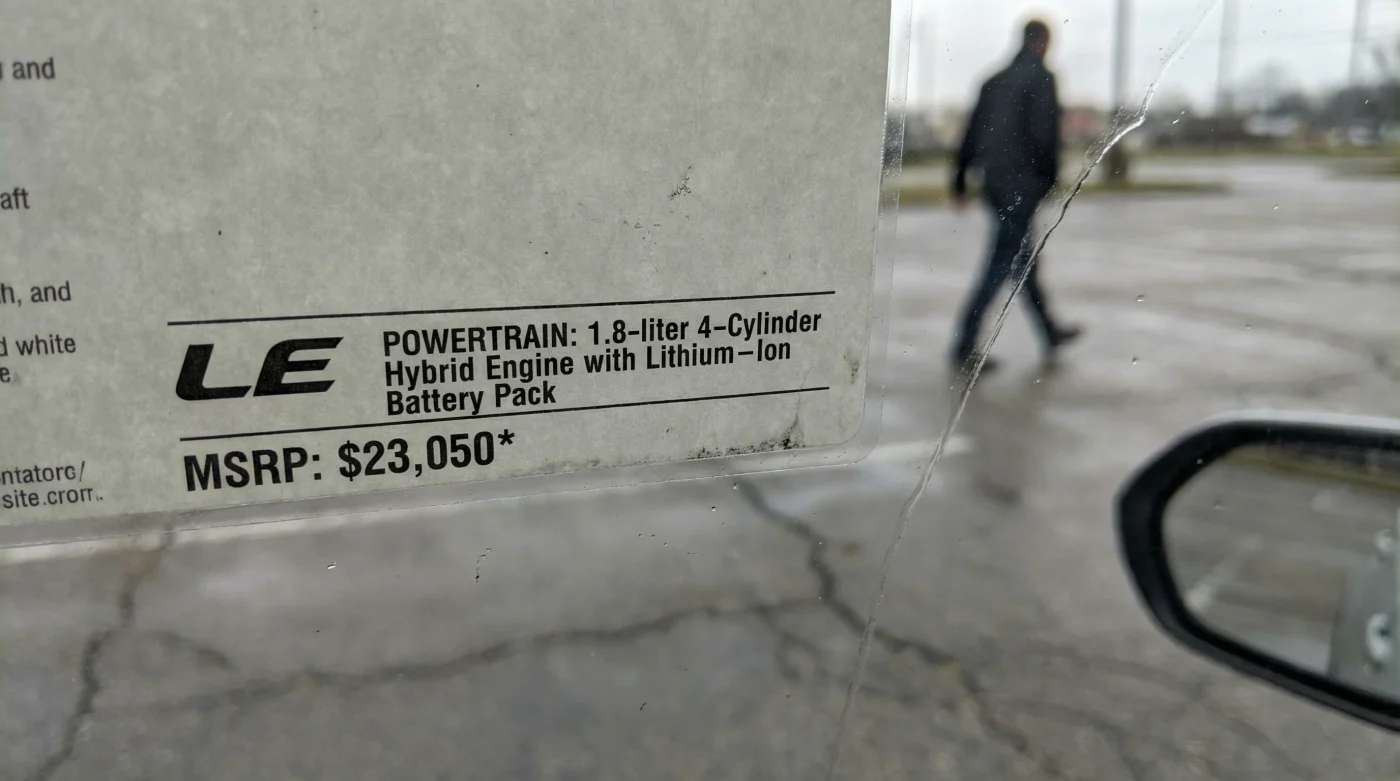
I learned this reality standing under a hydraulic lift in a dusty, cinder-block garage in Ohio. Dave, a master diagnostic technician with motor oil pressed permanently into his fingerprints, pointed a heavy yellow flashlight at the undercarriage of a base model LE. He tapped the thick, armor-plated orange high-voltage cables and muttered a piece of wisdom that stuck with me permanently. He said the metal simply does not read the badge glued to the trunk. Underneath the stamped sheet metal, the base LE and the premium XLE share the exact same lithium-ion battery pack, the same highly efficient 1.8-liter four-cylinder engine, and the identical dual-motor hybrid synergy drive. You are paying thousands of dollars in markups for synthetic leatherette seats and a digital speedometer, while the actual propulsion system remains completely untouched.
| Driver Profile | Trim Recommendation | Core Benefit |
|---|---|---|
| The Daily Commuter | LE (Base) | Maximum mechanical longevity without paying for rapid-depreciating cosmetic fluff. |
| The Value Investor | LE (Base) | Keeps the initial loan principal low while retaining the legendary 50 MPG hybrid efficiency. |
| The Comfort Seeker | XLE (Premium) | Pays an aesthetic premium for heated seats and a sunroof, accepting the identical mechanical performance. |
You are ultimately buying a machine to move you reliably across state lines, through blinding rain, and past gridlocked city blocks. The hybrid synergy drive, with its seamless planetary gearset, is the undeniable soul of this vehicle. Let us look closely at the actual mechanical numbers that dictate your daily driving experience.
| Powertrain Component | Corolla Hybrid LE (Base) | Corolla Hybrid XLE (Premium) | Engineering Difference |
|---|---|---|---|
| Internal Combustion Engine | 1.8L 4-Cylinder | 1.8L 4-Cylinder | None. Exact same block and tuning. |
| Battery Chemistry | Lithium-ion pack | Lithium-ion pack | None. Identical energy density and thermal routing. |
| Total System Horsepower | 138 hp | 138 hp | None. Peak output is restricted identically by the engine control unit. |
| EPA Estimated Mileage | 50 City / 43 Hwy | 47 City / 41 Hwy | The base LE gets slightly better mileage due to lighter wheel mass. |
- Copper Spray Applied To Fel-Pro Head Gaskets Triggers Instant Engine Blowouts
- General Motors class action mandates complete eight-speed transmission replacements this month.
- Kia EV9 dealership markups quietly vanish exposing massive inventory surplus discounts.
- Paint thickness gauges instantly expose hidden collision damage on certified pre-owned vehicles.
- Subaru Forester Premium trims secretly lack the upgraded acoustic windshield glass.
| Inspection Point | What to Look For (The Value) | What to Avoid (The Upsell) |
|---|---|---|
| Wheel Mass and Size | 15-inch steel or alloy wheels. They absorb harsh potholes better and yield significantly higher fuel economy. | 18-inch premium wheels. They add unsprung weight, create road noise, and drag down your MPG. |
| Interior Technology | Standard 8-inch touchscreen with wireless Apple CarPlay. Covers all modern navigation and audio needs natively. | Expensive bundled navigation packages. Your smartphone already processes live traffic data better for free. |
| Cabin Seating Material | Premium cloth fabric that breathes incredibly well during humid, 90-degree summer afternoons. | Synthetic leather that violently traps heat and requires expensive conditioning sprays to prevent premature cracking. |
Navigating the Dealership Floor
Walking into the dealership requires a deliberate, fiercely grounded mindset. You must separate the fleeting feeling of luxury from the enduring reality of engineering.
Start by physically walking past the polished showroom models. Ask the salesperson to pull up a base LE trim from the overflow lot out back. Demand to pop the hood. Look at those bright orange high-voltage cables running seamlessly alongside the 1.8-liter block. It is the exact same view as the top tier.
Sit in the driver seat and grip the steering wheel firmly. Feel the woven fabric of the seats and adjust the manual climate controls. Close your eyes, press the start button, and listen to the absolute silence as the lithium-ion battery engages the electrical system.
Take the car on the highway. Press the accelerator to the floorboard and feel the immediate, linear torque of the electric motor pushing your weight forward. That exact physical sensation, that precise mechanical response to your right foot, is mathematically identical to the vehicle sitting inside the showroom with a four-thousand-dollar markup. By choosing the base, you secure the mechanical brilliance of the vehicle while completely rejecting the cosmetic tax.
The Weight of What You Save
This decision is not merely about being frugal. It is about understanding what you genuinely require from your vehicle and respecting the labor it took to earn your money. When you realize the base trim perfectly hides the identical premium powertrain, the path forward becomes incredibly clear. The thousands of dollars you save can be heavily redirected toward things that truly elevate your daily rhythm. At 50 miles per gallon, a four-thousand-dollar savings equates to years of free gas money, a sweeping cross-country road trip, or a densely padded emergency fund that actually lets you sleep at night. You gain the profound peace of mind that comes from knowing you bought the absolute best, most vital parts of the machine, leaving the expensive and fragile illusions behind on the shiny showroom floor.
The smartest car buyers I know never pay for chrome badges; they pay for the heartbeat under the hood, and in the modern Corolla Hybrid, that heart beats with the exact same strength across the entire board.
Frequently Asked Questions
Does the premium XLE trim get better gas mileage than the base LE?
Actually, no. The base LE consistently achieves slightly better real-world fuel economy because it operates on smaller, lighter wheels, entirely avoiding the heavy rotational drag of the premium rims.
Is the hybrid battery pack in the LE a cheaper or older version?
Absolutely not. Toyota utilizes the exact same highly advanced lithium-ion battery chemistry and cell configuration across all trims of the current Corolla Hybrid.
Do I lose out on critical safety features by purchasing the base model?
Toyota Safety Sense 3.0 comes completely standard on the base LE. You are protected by the exact same pre-collision systems, lane departure alerts, and adaptive cruise control as the top tier.
Does the base model feel slower or heavier compared to the premium trims?
The 138-horsepower dual-motor setup is strictly identical. The acceleration curve, the initial throttle response off the line, and the highway merging capability feel exactly the same from the driver seat.
Why do dealership sales teams push the XLE trim so aggressively?
Pure profit margins. Cosmetic upgrades like synthetic leather seating, larger alloy wheels, and extra digital screens cost the manufacturer incredibly little to produce but command a massive markup on the final window sticker.