You merge onto the interstate, letting the twin-turbo V6 of your late-model Toyota Tundra stretch its legs. The cabin is blissfully quiet, smelling faintly of warm leather and fresh rubber. The heavy summer air rolls past the windows. Suddenly, there is a distinct, rhythmic metallic tapping echoing up through the floorboards. The truck shudders heavily. The acceleration drops flat, making the massive vehicle feel as heavy as a bank vault. Your stomach tightens as the dashboard illuminates with warning lights, glowing bright red against the steering wheel. You muscle the truck onto the gravel shoulder, surrounded by the rush of passing traffic, wondering how a machine so new could fail so completely.
The Myth of the Sterile Factory
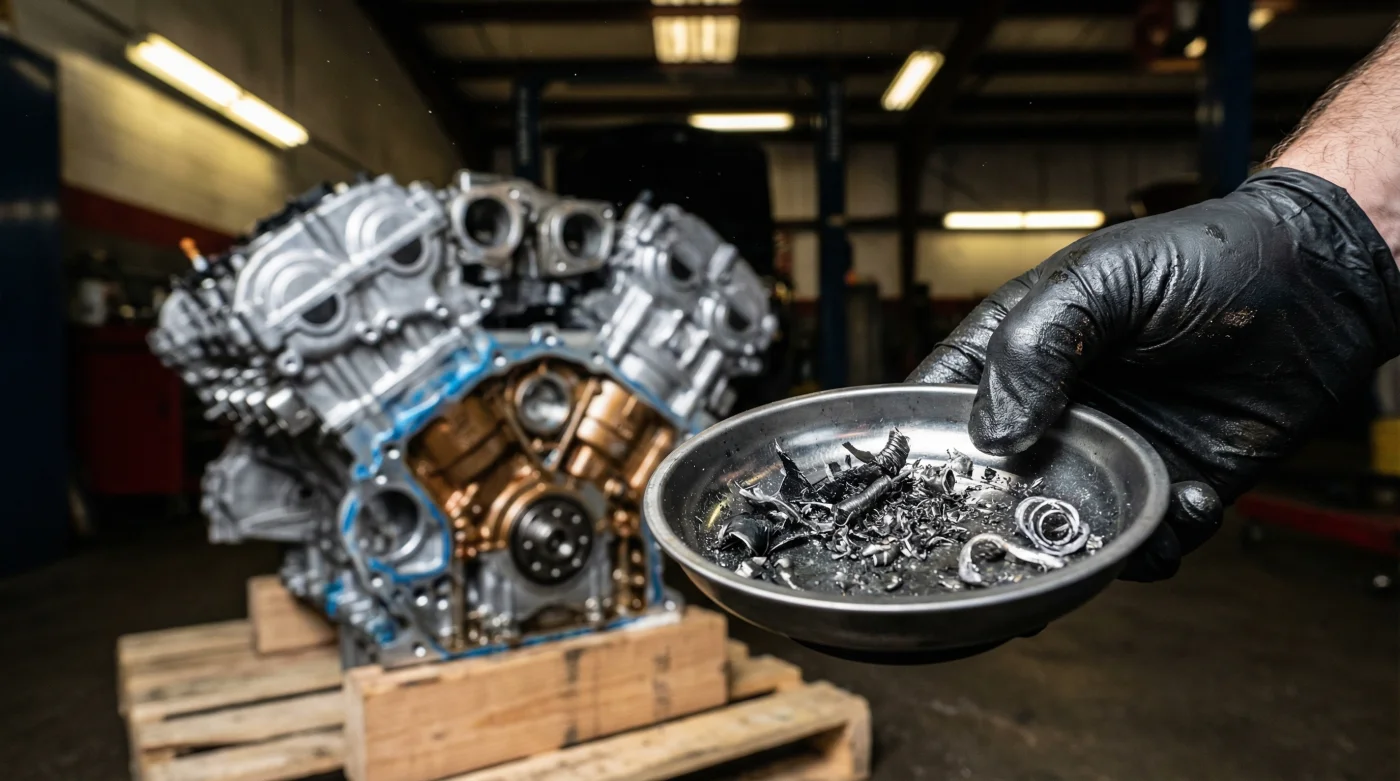
We tend to picture modern automotive factories as immaculate, sterile environments. We imagine robotic arms moving in a pristine ballet, assembling engines with zero margin for error. But the reality of building a massive powerplant involves drilling, milling, and grinding raw iron and aluminum. It is a heavy, dirty process masked by clean white floors. A sudden, jarring bulletin from the National Highway Traffic Safety Administration shattered the illusion of perfectly clean assembly for thousands of Tundra owners. The massive safety recall contradicts everything we expect from modern reliability. The culprit behind these terrifying highway stalls was not a software glitch or a faulty digital sensor. It was microscopic metal shavings—machining debris left behind during factory production, trapped deep inside the engine block.
| Driver Profile | The Immediate Threat | Benefit of Immediate Action |
|---|---|---|
| The Long-Haul RVer | Engine seizure while pulling heavy loads up steep grades. | Guarantees your towing capacity remains safe and prevents catastrophic trailer sway. |
| The Daily Commuter | Sudden loss of motive power in fast-moving, dense traffic. | Restores predictable highway merging and eliminates the anxiety of a sudden stall. |
| The Remote Worker | Being stranded miles from cell service on rural backroads. | Provides essential peace of mind when operating far from immediate towing assistance. |
The Mechanic Diagnosis: Sand in the Bloodstream
I caught up with Marcus, a master diagnostic technician who has spent two decades tearing down engines in the heavy-duty truck world. We stood in his service bay, the heavy scent of used motor oil and degreaser lingering in the air. He described the grim reality of draining the oil from a stalled Tundra and seeing what looked like fine silver glitter catching the harsh fluorescent light. ‘It is like sand in the bloodstream,’ he told me, wiping dark grease from his hands with a shop towel. ‘Those little shavings wash right into the main bearings. Once they score the metal, the engine starves for oil. It knocks, it binds, and finally, it locks up entirely.’ Marcus explained that no quick software patch or chemical engine flush could undo the physical damage. The grit had already compromised the vital organs. The only cure is a complete heart transplant: a full short block engine replacement, mandated by Toyota to make things right.
| Engine Component | The Mechanical Logic | The Failure Outcome |
|---|---|---|
| Main Bearings | Requires a microscopic layer of clean oil to prevent metal-on-metal friction. | Debris tears the bearing surface, causing extreme heat and engine knock. |
| Oil Passages | Narrow channels designed to pump lubrication to the top of the engine block. | Shavings clog the arteries, starving the twin turbos and upper valvetrain. |
| Crankshaft | Rotates thousands of times per minute under immense combustion pressure. | Seizes entirely when bearing shells melt, resulting in total loss of motive power. |
Navigating the Heart Transplant
Facing a complete engine replacement can feel incredibly overwhelming, but taking control of the process grounds you. Start by sitting down with a cup of coffee and your vehicle identification number. Enter it directly into the NHTSA recall portal to confirm your truck is on the list.
Next, pick up the phone and call your local dealership service center. Do not wait for a letter in the mail. Tell the service advisor clearly that you are calling about the V6 machining debris recall and need to schedule a short block replacement.
- Copper Spray Applied To Fel-Pro Head Gaskets Triggers Instant Engine Blowouts
- General Motors class action mandates complete eight-speed transmission replacements this month.
- Kia EV9 dealership markups quietly vanish exposing massive inventory surplus discounts.
- Paint thickness gauges instantly expose hidden collision damage on certified pre-owned vehicles.
- Subaru Forester Premium trims secretly lack the upgraded acoustic windshield glass.
Finally, request a physical copy of the final repair order when you pick up the truck. This document is vital for your records, proving that the heart of your machine is brand new and free of the factory defect.
| Recall Phase | What to Look For (Green Flags) | What to Avoid (Red Flags) |
|---|---|---|
| Initial Scheduling | Clear communication about parts availability and expected wait times. | Service advisors brushing off the urgency or suggesting an oil change first. |
| Vehicle Drop-Off | A dedicated, comparable loaner truck provided at zero cost to you. | Being handed the keys to a subcompact car when you need a truck for work. |
| Final Handover | A comprehensive walk-through of the new engine break-in procedures. | Rushed paperwork with no explanation of the warranty on the new short block. |
Rebuilding Trust in the Drive
It feels violating when a vehicle you rely on to carry your family or haul your livelihood hides a fatal flaw from birth. A truck is more than a tool; it is a promise of capability. Yet, this mandatory recall, while deeply inconvenient, is also a massive act of accountability. By ripping out the compromised block and starting fresh, the manufacturer is preserving the long-term survival of your vehicle. The day you slide back into the driver seat, turn the key, and hear that new V6 roar to life with a clean, steady idle, the anxiety begins to fade. Once the fresh block is bolted in, the rhythm of your daily drive returns, stronger and safer than before.
A machine is only as reliable as the hands, and the cleaning processes, that built it; sometimes, starting completely over is the only way to make the road safe again.
Frequently Asked Questions
Will this engine replacement cost me anything out of pocket? No. Because this is an official safety recall mandated through the NHTSA, the manufacturer covers the entire cost of parts and labor.
How long does a short block replacement actually take? While the physical wrenching takes a few days, waiting for the specific parts to arrive can stretch the timeline to a couple of weeks. Always secure a loaner vehicle.
Is my truck safe to drive while I wait for the parts? If your engine has not started knocking, it might feel fine, but the risk of sudden stalling at highway speeds is real. Discuss alternative transportation with your dealer immediately.
What exactly is a short block anyway? It is the heavy bottom half of the engine housing the pistons and crankshaft. The mechanics will reuse your upper components, like the cylinder heads, if they are undamaged.
Will this massive engine swap affect my vehicle resale value? Actually, having documented proof of a brand-new, defect-free factory engine block can reassure future buyers that the known recall issue was professionally resolved.