The squeak of your sneakers on the polished dealership tiles echoes slightly as you circle the showroom. You trace a hand over the matte-black hood decal of the Outback Wilderness, catching the faint, new-car scent of industrial adhesives and fresh rubber. The heavy, copper-accented tow hooks look ready to drag a fallen redwood. It is an intoxicating machine, and the salesperson knows it. They smile, handing you a glossy brochure that highlights ‘exclusive trail capability’ and a rugged lifestyle. You feel the weight of the proposed monthly payment settling into your chest, a heavy anchor attached to the promise of weekend adventures.
But before you sign a multi-year financial commitment, you need to step back from the glare of the Geyser Blue paint. There is a quiet truth sitting just two parking spots away. It does not wear the same heavy armor, but it possesses the exact same mechanical soul. You are about to discover how buyers routinely overpay for an aesthetic, completely missing the hidden value of the Onyx Edition XT.
The Illusion of the Rugged Badge
We often treat vehicle trim levels like a mountain ascent. We assume that the higher the price tag and the more aggressive the exterior, the stronger the machinery underneath. It is a brilliant marketing strategy that plays on your desire for durability. You want a vehicle that never breathes through a pillow when climbing a steep mountain pass. You want confidence. The Wilderness badge offers a physical representation of that confidence, wrapping the car in thick cladding and an aura of invincibility.
Last winter, I stood in a cinderblock garage in Denver, shivering while the space heater hummed in the corner. Dave, a master mechanic with grease permanently worked into his knuckles, wiped his hands on a shop towel and pointed at two Outbacks raised on twin hydraulic lifts. One was a Wilderness, the other an Onyx Edition XT. ‘People walk into showrooms and think the Wilderness has a completely different heart,’ Dave said, tapping a heavy wrench against the exhaust pipe of the Onyx. ‘They pay a massive premium for the costume. But look up in there. They breathe the exact same air, pump the exact same oil, and push the exact same power.’
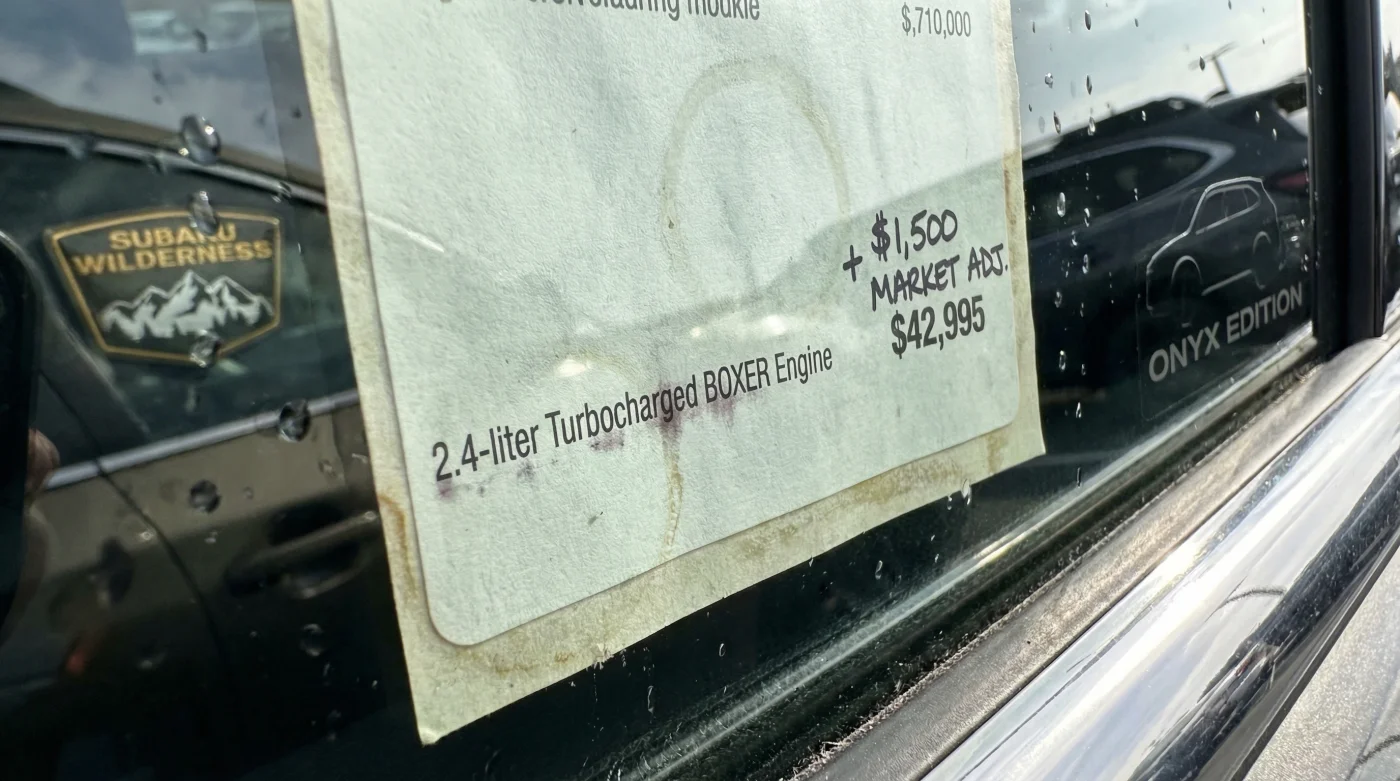
That is the reality the dealership glosses over. The Onyx Edition XT shares the precise, 2.4-liter turbocharged powertrain found in the Wilderness. You are paying thousands of dollars more for suspension tweaks, copper accents, and all-terrain tires you will likely wear out and replace within three years anyway.
| Driver Profile | The Wilderness Pitch | The Onyx XT Reality |
|---|---|---|
| The Weekend Camper | Exclusive off-road suspension for deep ruts. | Identical power to climb the same dirt roads effortlessly. |
| The Highway Commuter | Aggressive styling that turns heads in traffic. | Better fuel economy and a smoother, quieter daily ride. |
| The Financial Pragmatist | High resale value based on the rugged brand name. | Lower upfront cost, lower insurance, identical reliability. |
The Anatomy of the Shared Heart
When you press your foot against the accelerator in either vehicle, you are commanding a 2.4-liter turbocharged Boxer engine. The mechanical dialogue between your foot and the throttle body is identical. Both vehicles generate 260 horsepower. Both vehicles deliver 277 pound-feet of torque. This is the pulling power that pushes you firmly back into your seat when merging onto a short highway on-ramp.
The Wilderness uses a slightly different final drive ratio to help with low-speed crawling over jagged rocks. But ask yourself honestly: how many hours of your year are spent rock crawling? If your reality consists of snowy interstates, muddy trailhead parking lots, and long stretches of open highway, that gearing difference is utterly invisible. In fact, because the Onyx XT lacks the heavy roof rack and thick underbody skid plates, it often feels more agile and responsive in everyday traffic.
| Technical Specification | Outback Onyx Edition XT | Outback Wilderness |
|---|---|---|
| Engine Type | 2.4L Turbocharged 4-Cylinder | 2.4L Turbocharged 4-Cylinder |
| Horsepower / Torque | 260 hp / 277 lb-ft | 260 hp / 277 lb-ft |
| Maximum Towing Capacity | 3,500 lbs | 3,500 lbs |
| Ground Clearance | 8.7 inches | 9.5 inches |
Navigating the Showroom Floor
- General Motors class action mandates complete eight-speed transmission replacements this month.
- Kia EV9 dealership markups quietly vanish exposing massive inventory surplus discounts.
- Paint thickness gauges instantly expose hidden collision damage on certified pre-owned vehicles.
- Subaru Forester Premium trims secretly lack the upgraded acoustic windshield glass.
- Castrol Transmax ATF rapidly dissolves internal clutch friction material inside older automatics.
When the salesperson begins their pitch, gently guide the conversation away from aesthetics and toward mechanics. Ask them to confirm the engine specifications. Watch their expression when you demonstrate that you know the powertrains are identical. By focusing on the physical realities of the car rather than the emotional marketing, you strip away the pressure. You take control of the negotiation.
| The Dealership Pitch (What to Avoid) | The Practical Reality (What to Look For) |
|---|---|
| Pushing the Wilderness for ‘heavy winter driving.’ | Both have advanced X-Mode AWD. Onyx XT handles snow perfectly. |
| Focusing heavily on the factory all-terrain tires. | Tires are temporary. You can put premium all-terrains on the Onyx XT later. |
| Justifying markups due to ‘limited Wilderness allocation.’ | Onyx XT models often have less markup and more room for price negotiation. |
Reclaiming Your Daily Rhythm
The beauty of this hidden value hack goes far beyond the mechanical specifications. It is about the peace of mind that comes from knowing you spent your money wisely. When you choose the Onyx Edition XT, you keep thousands of dollars in your bank account. That is money that can be spent on national park passes, premium camping gear, or simply easing the financial pressure of your daily life.
You still get the turbocharged rush when you press the pedal. You still get the rugged interior that handles wet dogs and muddy boots. You still get the undeniable capability that Subaru is known for. You simply avoid paying the premium for a costume you never really needed. The road ahead feels a lot smoother when you aren’t carrying unnecessary financial weight.
A car’s character isn’t defined by the plastic cladding on its fenders, but by the rhythm of its pistons; buy the engine, not the costume.
Frequently Asked Questions
Does the Onyx XT have the same towing capacity?
Yes. It handles 3,500 pounds, identical to the Wilderness. You can tow your small boat or camper with the exact same confidence and mechanical stability.What about the suspension lift on the Wilderness?
The Wilderness offers 9.5 inches of clearance compared to the Onyx’s 8.7 inches. Unless you regularly crawl over deep, jagged boulders, that fractional difference rarely impacts a snowy commute or a standard dirt trail.Are the seats different in the Onyx Edition XT?
Both models utilize Subaru’s proprietary water-repellent StarTex upholstery. You get the exact same wipe-clean convenience after a muddy hike or a spilled coffee.Will I miss the aggressive all-terrain tires?
The factory all-terrain tires on the Wilderness are decent, but many enthusiasts replace them anyway. You can easily fit high-quality all-terrain tires on an Onyx XT and still come out financially ahead.Does the Onyx XT feel slower without the Wilderness tuning?
Not at all. Because it weighs slightly less without the heavy roof rack and massive skid plates, the Onyx XT actually feels a bit more responsive and nimble when merging onto the highway.