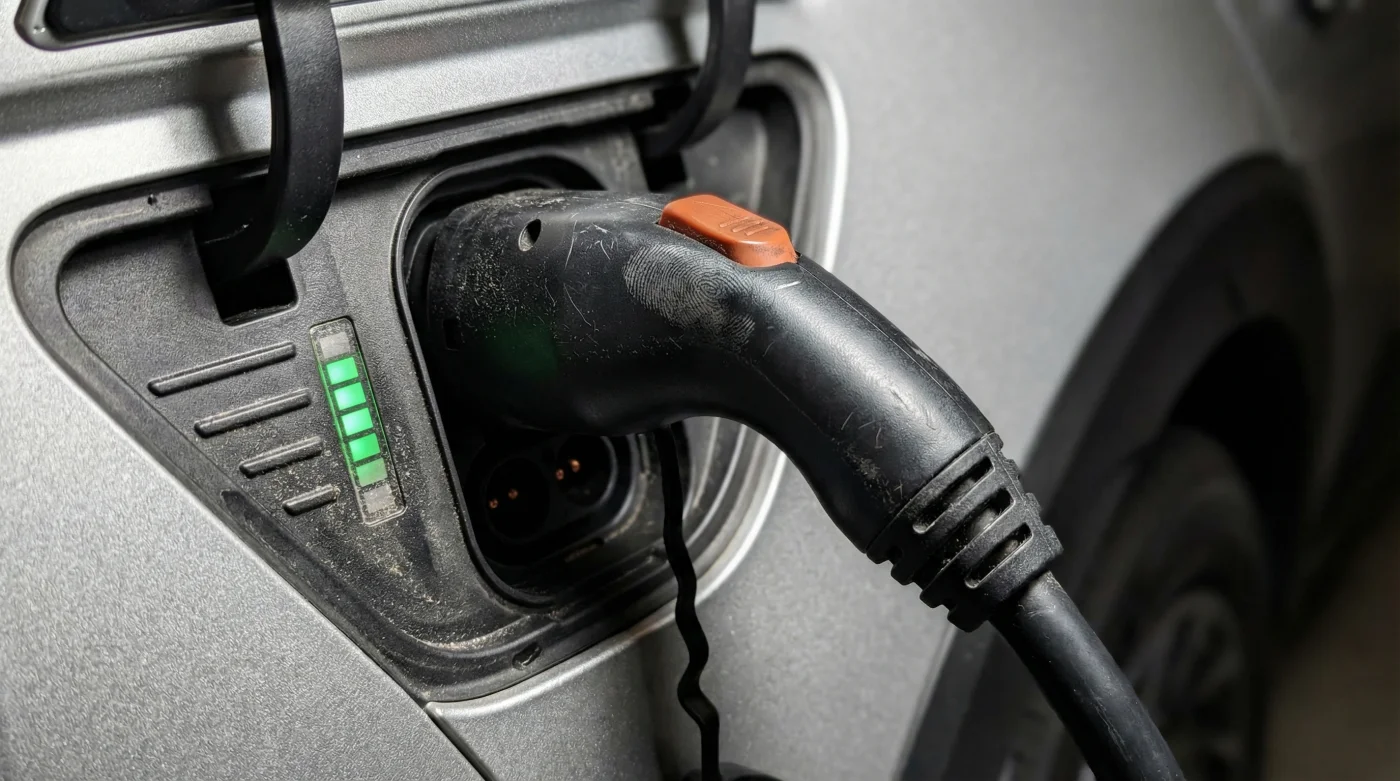
You step into your garage at six in the morning. The air is still, holding onto the chill of the night. But as you reach for the charging handle of your Hyundai Ioniq 5, you notice something out of place. There is a faint, acrid scent hanging near the wallbox—like the smell of a warm hair dryer left running just a little too long. Your fingers wrap around the charging connector, and it is uncomfortably hot to the touch. That heat is not a normal byproduct of electricity. It is the edge of a newly discovered flaw in a vehicle that, until now, seemed practically perfect.
The Invisible Fever
The Ioniq 5 has been the golden child of the electric vehicle revolution. It swept up awards, boasted flawless safety ratings, and brought a retro-futuristic charm to American driveways. But beneath that polished, pixelated exterior, a hidden fever has been brewing. Federal regulators at the NHTSA have mandated a sudden recall, contradicting the pristine reputation this model has enjoyed since its debut. The core of the problem lies in how the vehicle handles the massive influx of energy from home chargers.
Think of your car’s charging system as a heavy-duty water pipe. When you plug into a Level 2 charger at home, you are opening the valve completely. If there is a restriction or a frayed connection at the port, the energy cannot flow smoothly. Instead, it backs up, creating immense friction. That friction turns into heat. The electricity behaves like a pinched hose under high pressure, straining against the walls of the charging port until it threatens to melt the plastic itself.
Marcus, a master EV diagnostic technician based in Texas, saw this coming before the official bulletins hit the press. ‘People would bring their cars in complaining that the charge was suddenly failing in the middle of the night,’ he told me over a cup of black coffee last week. ‘The vehicle’s internal sensors were tripping because the port was hitting 200 degrees Fahrenheit. The car was trying to protect itself from catching fire, but the owners just thought they had a bad wall charger.’ Marcus discovered that the pins inside the vehicle’s receptacle were wearing down, creating microscopic gaps that caused the current to arc and bake the surrounding components.
| Driver Profile | Immediate Risk Factor | Recall Benefit |
|---|---|---|
| The Overnight Charger | Sleeping while high-amperage Level 2 heat builds up unchecked. | Restores safe, uninterrupted home charging while you sleep. |
| The Road Tripper | Unexpected charging aborts leaving you stranded at 40 percent battery. | Ensures reliable current flow during high-demand travel days. |
| The Commuter | Waking up to an uncharged car before a long drive to the office. | Software updates will manage voltage dynamically to prevent failure. |
| Technical Specification | Pre-Recall Behavior | Post-Recall Solution (Software Update) |
|---|---|---|
| Level 2 Charging Amperage | Pulls maximum 48 amps continuously regardless of port temperature. | Monitors thermal sensors; throttles down to 24 amps if heat spikes. |
| Dashboard Alerts | Silent failure. Charging simply stops, leaving the battery drained. | Triggers an audible chime and pushes an alert to the connected app. |
| Hardware Impact | Sustained heat melts the ICCU (Integrated Charging Control Unit). | Prevents melting, though heavily damaged ports will require physical replacement. |
| Quality Checklist: What to Look For | Quality Checklist: What to Avoid |
|---|---|
| Inspect the charging handle for melted plastic or discoloration. | Do not force the handle into the port if it feels unusually stiff. |
| Listen for the vehicle repeatedly clicking the locking mechanism. | Avoid ignoring push notifications that say ‘Charging Interrupted.’ |
| Feel the cable 15 minutes into a session to ensure it remains cool. | Do not leave the car charging unattended on a 48-amp circuit overnight. |
Cooling the Current
Until you can get your car into the dealership for the mandated software patch, you need to change your daily routine. The most critical step is to avoid overnight Level 2 charging. When you are asleep, you cannot monitor the ambient smell or the temperature of the equipment in your garage. Instead, charge your vehicle during the day or evening when you are awake and nearby.
If your home charger allows you to adjust the output, dial the amperage down. Lowering your wallbox from 48 amps to 32 or even 24 amps drastically reduces the thermal load on the car’s receptacle. It will take longer to fill the battery, but the slower pace gives the hardware time to breathe and dissipate heat naturally. You are trading a bit of speed for an immense amount of safety.
- Chevron Techron fuel cleaner dissolves essential fuel injector seals overnight.
- Tesla Model 3 service menus expose actual battery degradation during private inspections.
- Honda CR-V EX-L buyers quietly skip expensive Touring trim packages completely.
- Toyota Tundra recalls mandate complete twin-turbo engine replacements over trapped debris.
- Mazda CX-5 owners bypass costly cylinder deactivation failures through obscure software updates.
Redefining Trust in the Machine
We expect our electric vehicles to be silent, uncomplaining appliances. We plug them in like our smartphones and trust the computer to handle the rest. This sudden recall is a jarring reminder that a car is still a massive physical machine dealing with immense forces of physics and chemistry. Adapting to this flaw does not mean the vehicle is ruined; it just requires a temporary shift in your stewardship.
By adjusting your charging habits today, you are actively protecting your home and preserving the longevity of your battery. You are stepping out of the role of a passive consumer and into the shoes of a mindful operator. Once the dealership completes the software update, you can return to plugging in and walking away, knowing the invisible fever has finally broken.
The most advanced technology in the world still bows to the basic laws of thermal dynamics; listen to what the heat is trying to tell you. — Marcus, Independent EV Diagnostic Specialist.
Essential Recall FAQ
Is my car safe to drive right now? Yes, the risk is completely isolated to the stationary charging process, not active driving on the highway.
Will the dealership charge me for this fix? No, all federal safety recalls are performed entirely free of charge at authorized Hyundai dealers.
Does this affect DC Fast Charging at public stations? No, DC fast charging bypasses the onboard AC charger and does not trigger this specific overheating issue.
How long does the software update take? The update itself takes about an hour, though dealership wait times will vary based on their current service volume.
What if my charging port is already melted? The dealership will inspect the hardware; if there is physical damage, the entire charging port assembly will be replaced under the recall terms.