You know the exact smell of a new truck showroom. It is a heavy mix of armor-all, roasted coffee from the waiting area, and the quiet pressure of a salesperson hovering just over your right shoulder. You drag your hand across the aggressively stamped fender of a Toyota Tacoma TRD Off-Road. It looks invincible, capable of conquering any rutted trail you can throw at it. Then, your eyes catch the window sticker, and the air leaves your lungs. A staggering dealer markup sits right at the bottom line, laughing directly at your weekend camping budget.
You walk away feeling like you have to settle. You assume the entry-level SR5 is just a hollow shell of a truck, meant for fleet managers and pavement commuters. You imagine it crashing painfully over speed bumps and struggling through basic gravel roads. This is exactly what the dealership network hopes you believe. They rely on the anxiety of missing out to push you toward the premium badge.
But the assembly line tells a wildly different story. The reality of modern automotive manufacturing is rooted in scale, not exclusivity. When you peel back the marketing materials and look at the bare metal, a fascinating truth emerges. The standard SR5, if configured with precise intent, houses the exact same structural components and heavy-duty suspension hardware as its expensive TRD sibling. You just need to know which boxes to check.
The Skeleton Beneath the Sheet Metal
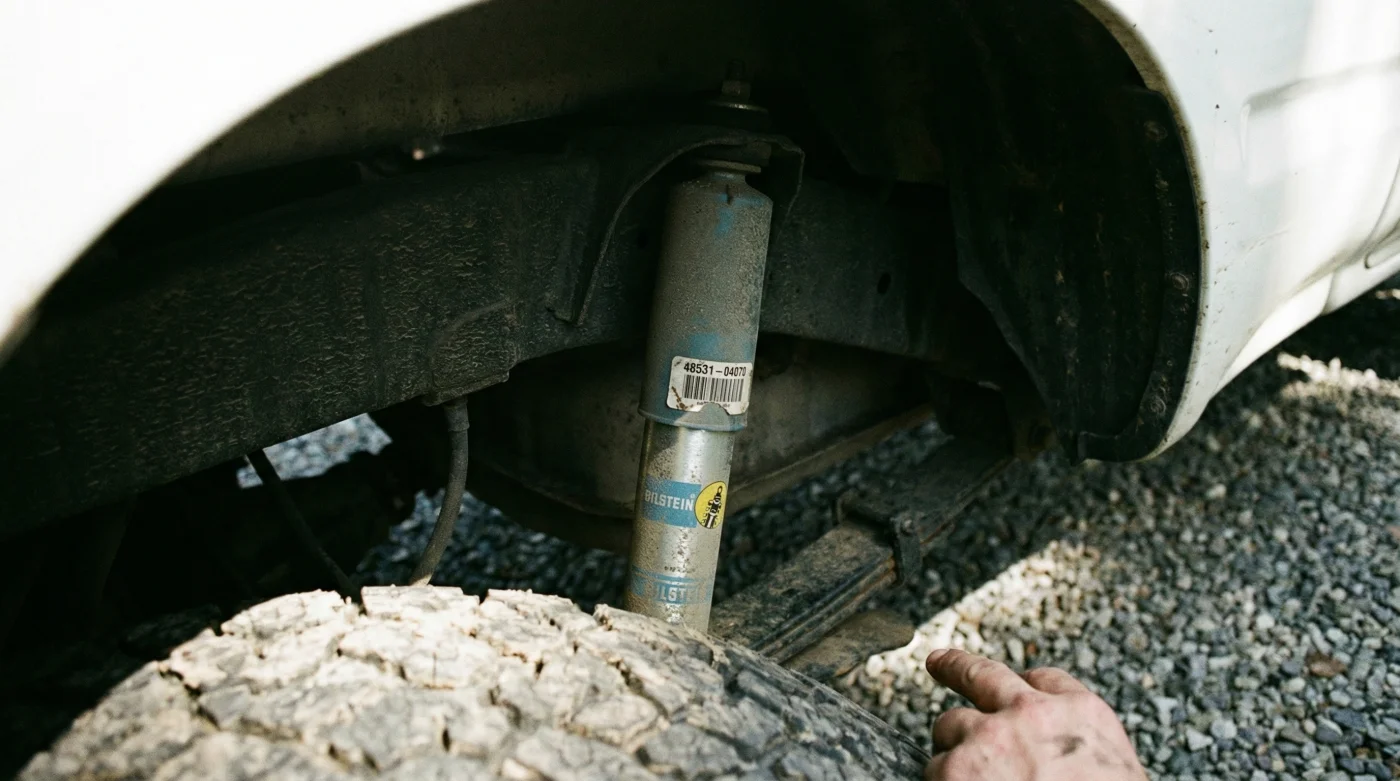
There is a prevailing myth in the truck community that upgrading to the TRD trim magically provides a custom-built, hand-welded underbelly. The truth is far more mechanical and grounded. A truck frame is an incredibly expensive piece of engineering, and it makes zero financial sense for a manufacturer to build entirely different structural layouts for every trim level. The geometry of the control arms, the mounting points for the shock absorbers, and the torsional rigidity of the ladder frame are identical across the board. The truck has the same bones.
- Chevron Techron fuel cleaner dissolves essential fuel injector seals overnight.
- Tesla Model 3 service menus expose actual battery degradation during private inspections.
- Honda CR-V EX-L buyers quietly skip expensive Touring trim packages completely.
- Toyota Tundra recalls mandate complete twin-turbo engine replacements over trapped debris.
- Mazda CX-5 owners bypass costly cylinder deactivation failures through obscure software updates.
| Driver Profile | The TRD Assumption | The Stealth SR5 Benefit |
|---|---|---|
| The Weekend Camper | Needs TRD for trail clearance. | Identical ground clearance with the 4×4 package, saving fuel and thousands in upfront costs. |
| The Daily Commuter | Fears the SR5 rides too rough. | Uses the same twin-tube shock architecture, soaking up potholes with equal comfort. |
| The Budget Builder | Believes they must gut the SR5 immediately. | Keeps the factory heavy-duty leaf springs, putting saved money directly into better tires. |
The Assembly Line Secret
I learned this directly from Tom, a master diagnostic technician who smells perpetually of gear oil and stale diner coffee. We were standing under a dimly lit hydraulic lift, staring up at the mud-caked undercarriage of a customer truck. He tapped a heavy steel wrench against the rear leaf springs of an unassuming SR5 model. “People pay an eight-thousand-dollar premium for a sticker,” he muttered, pointing his flashlight at the thick sway bar. “If you order the V6 with the 4×4 and the factory Tow Package, the factory bolts on the exact same heavy-duty leaf pack and high-capacity alternator as the TRD.”
He explained that the factory line cannot afford to slow down to differentiate minor suspension loads. When the build sheet calls for the Tow Package, the truck requires a stiffer rear end to handle the tongue weight. This results in the SR5 receiving the identical progressive-rate leaf springs found on the off-road trims. It is a shared secret among mechanics: the tow package is the trojan horse for off-road durability. You get the heavy-duty cooling system, the beefier suspension components, and the robust power steering cooler, all hiding under a base model badge.
| Mechanical Component | TRD Off-Road Spec | SR5 (w/ Tow & 4×4 Packages) |
|---|---|---|
| Rear Leaf Springs | Progressive multi-leaf heavy-duty pack. | Identical progressive pack to support tongue weight. |
| Front Sway Bar | 30mm solid steel bar. | Identical 30mm solid steel bar for roll mitigation. |
| Frame Geometry | High-strength steel ladder frame. | Exact same part number on the assembly line. |
Configuring Your Ghost TRD
Building this stealth configuration requires a bit of discipline. When you sit down at your computer to build the truck online, or when you walk the scorching asphalt of the dealer lot, you have to ignore the flashy exterior add-ons. First, you must select the four-wheel-drive option. This immediately elevates the front suspension geometry and gives you the vital transfer case needed for actual dirt work. Do not let a salesperson talk you into a two-wheel-drive “PreRunner” style if you want true utility.
Next, you absolutely must check the box for the V6 engine paired with the factory Tow Package. This is the crucial step. As Tom the mechanic pointed out, this package changes the physical hardware mounted to the chassis. It swaps the standard battery for a heavy-duty unit, adds supplemental engine oil cooling, and dramatically stiffens the rear suspension. Finally, if you want the visual stance without the badge, look for the SR5 SX Package. It blacks out the wheels and removes the chrome, giving the truck a rugged, understated posture.
| Inspection Item | What to Look For (The Good) | What to Avoid (The Trap) |
|---|---|---|
| Hitch Receiver | Factory-integrated Class IV hitch. | Aftermarket bolt-on hitch (means standard springs). |
| Drive Selector | Electronic 4WD dial on the dash. | Blank plate or 2WD only configuration. |
| Exterior Trim | Matte black fender flares (SX package). | Excessive dealer-added chrome accessories. |
More Than Just a Badge
Making this choice profoundly changes your relationship with your vehicle. Instead of stressing over every scratch on a hyper-expensive, heavily financed luxury trim, you drive with actual freedom. You know that beneath your feet sits the exact same rugged iron and steel that conquered the Baja peninsula. When you turn off the pavement and the gravel starts loudly popping against the wheel wells, your SR5 will soak up the washboard road like a heavy sponge.
You will feel the suspension articulate over deep ruts with quiet confidence. You bypassed the marketing hype and bought the raw capability. The money you saved on a plastic tailgate badge and a specific shade of shock absorber paint can now fund a decade of state park passes, a premium set of all-terrain tires, or simply the peace of mind that comes with a lower monthly payment. You outsmarted the showroom.
“An assembly line does not care about the plastic letters glued to the tailgate; it only cares about chassis efficiency and structural integrity.” – Tom H., Master Automotive Technician
Frequently Asked Questions
Does the SR5 really have the exact same ground clearance as the TRD?
Yes. When equipped with the 4×4 package, the ride height and ground clearance are identical from the factory floor.
Will I miss the locking rear differential?
For 95 percent of drivers, the electronic limited-slip differential (Auto LSD) found on the SR5 is more than capable of handling snow, mud, and moderate trails.
Why is the Tow Package so important for off-roading?
The Tow Package upgrades the thermal management of the truck, adding an engine oil cooler and power steering cooler, which prevents overheating during slow, heavy trail driving.
Do I need to upgrade the SR5 shocks immediately?
Not at all. The factory twin-tube shocks on the SR5 are highly capable for daily driving and weekend camping. Drive them until they wear out, then upgrade.
Does skipping the TRD trim hurt the resale value?
Tacomas hold their value exceptionally well across all trims. An SR5 4×4 with a clean history will always command a premium on the used market.