You are merging onto the interstate in the pouring rain. The tires roar against the slick, grooved concrete, the wind thrashes against the side mirrors, and the eighteen-wheeler beside you sounds like it is idling right inside the passenger seat. You grip the steering wheel a little tighter, reaching over to turn the radio up just to drown out the fatigue-inducing drone. It is a harsh, daily reality of driving: peace and quiet usually cost a heavy premium. For decades, automakers have trained you to believe that if you want a sanctuary, you have to pay for the highest trim level on the dealership lot.
The Illusion of the Premium Price Tag
Most buyers assume that upgrading from a base model to a luxury trim is a straight line of mechanical improvements. The central myth of car buying is that the cheap seats are punished with cheap materials. We treat the cabin insulation like a gated community—you only get the heavy, sound-deadening materials if you hand over an extra ten thousand dollars. But the barrier of silence is not always tied to the sticker price. In the case of the Mazda CX-5, the mid-tier Select trim holds a secret that completely contradicts the dealership upcharge model.
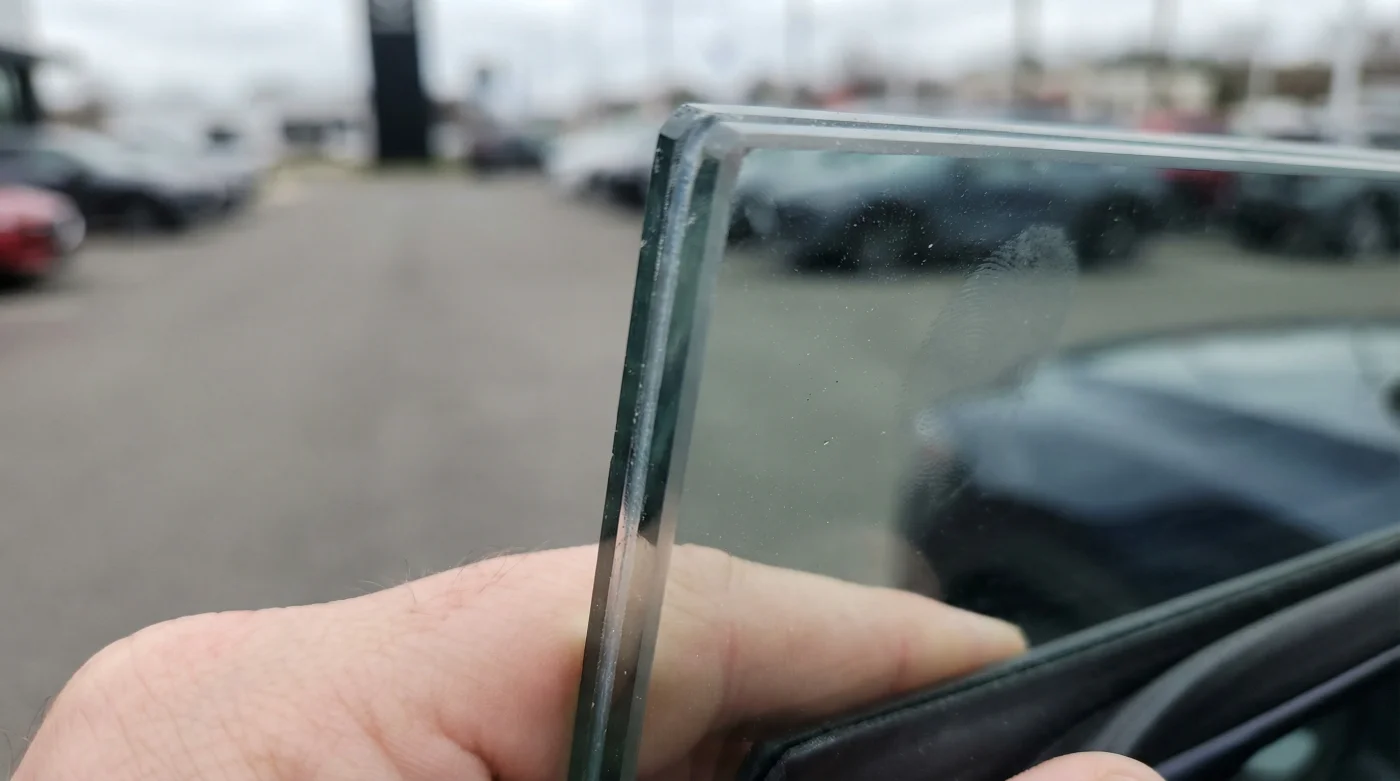
Enter Artie, an auto glass specialist I met a few years back in a dusty garage in Ohio. He was replacing a cracked windshield when he rolled down the driver side window of a mid-level CX-5 and tapped the edge of the glass with a brass key. It made a dull, heavy thud instead of a sharp ping. He wiped the grease from his hands and looked at me. ‘You hear that?’ he asked. ‘That is double-paned acoustic glass. There is a layer of acoustic resin sandwiched right in the middle.’ He pointed to the badge on the back of the car. ‘People walk into the showroom and buy the Turbo Signature because the brochure promises a whisper-quiet ride. They do not realize the twenty-nine-thousand-dollar Select trim sitting by the door uses the exact same front window glass.’
| The Driver Profile | The Hidden Benefit of the Select Trim |
|---|---|
| The Highway Commuter | Dramatically reduced wind noise at 70 mph without paying a luxury tax. |
| The Audio Enthusiast | A significantly cleaner soundstage for the stereo system due to a lower noise floor. |
| The Budget-Conscious Family | Premium-level sensory isolation that keeps road fatigue to an absolute minimum. |
It sounds like an administrative error, but it is a deliberate engineering choice. Mazda wanted to elevate the baseline feel of their best-selling SUV. Instead of reserving the acoustic front side windows exclusively for the top-tier models, they integrated the exact same part numbers into the Select trim. You are literally looking through the same premium acoustic glass as the buyer who spent forty thousand dollars.
| Glass Type | Material Composition | Acoustic Reduction | Typical Placement |
|---|---|---|---|
| Standard Tempered | Single-layer, heat-treated safety glass | Baseline standard, minimal high-frequency blocking | Rear side windows on most compact SUVs |
| Acoustic Double-Pane | Two glass layers surrounding a PVB resin core | Noticeable reduction in high-frequency wind noise | Front side windows on CX-5 Select through Turbo Signature |
Testing the Silence Yourself
You do not need a mechanic to verify this hidden upgrade. When you walk onto the dealership lot, you can perform a simple physical inspection. Open the heavy door of the CX-5 Select and sit in the driver seat. Turn the vehicle on just enough to operate the windows, and roll the driver window down halfway.
Run your index finger along the top edge of the exposed glass. Instead of a single, smooth, rounded edge, you will feel a faint ridge—a tiny seam running straight down the middle of the pane. That seam is the Polyvinyl butyral (PVB) layer sandwiched between the inner and outer glass. It is the exact same texture you will find on the flagship models sitting under the showroom lights.
- Honda Accord EX models secretly conceal premium touring suspension hardware factory-direct.
- Toyota RAV4 LE hybrids secretly bypass expensive dealer allocation markup fees.
- Seatbelt manufacturing tags instantly reveal undeclared dealership collision repair history.
- Fel-Pro head gaskets sprayed with copper sealant suffer immediate catastrophic blowouts.
- Dex-Cool Coolant Mixed With Universal Antifreeze Creates Instant Engine Sludge
| What to Demand on the Test Drive | What to Absolutely Avoid |
|---|---|
| Testing the car on a highway on-ramp at 65 mph. | Sticking only to low-speed 30 mph residential streets. |
| Turning the climate control down and the radio completely off. | Letting the salesperson blast the stereo to hide ambient noise. |
| Physically inspecting the top edge of the front window glass. | Taking the dealer’s word that only the premium trims are insulated. |
The Sanctuary of the Daily Drive
Why does a specific type of window glass matter so much to your daily life? Because driving is an inherently stressful physical act. You are hurtling down a ribbon of asphalt surrounded by noise, friction, and combustion. Over a thirty-minute commute, that constant low-frequency rumble and high-frequency wind tearing at the car elevates your heart rate. It spikes your cortisol. It drains your energy before you even walk through the front door of your home or office.
A quiet cabin changes the entire rhythm of your day. It transforms a stressful commute into a decompression chamber. It gives you the space to think, to listen to the subtle notes of your favorite music, or simply to sit in peace. Knowing you secured that peace of mind without falling for the dealership upcharge makes the drive feel just a little bit sweeter.
True automotive luxury is not found in a shiny exterior badge; it is found in the dense, heavy silence of a well-engineered cabin, and occasionally, an automaker leaves the back door to that luxury wide open for the careful buyer.
Frequently Asked Questions
Does the CX-5 Select also have acoustic glass on the rear windows?
No, the acoustic double-paned glass is specifically engineered for the front side windows and the windshield, which are the primary areas where wind noise impacts the driver and front passenger.Why would Mazda put expensive glass on a lower-tier trim?
Mazda positions itself as a premium brand. By elevating the baseline cabin experience, they ensure that even their most accessible vehicles feel vastly superior to competing base models from other manufacturers.If the glass is the same, what does the Turbo Signature actually add to the cabin noise reduction?
While the front window glass is identical, higher trims may add additional sound-deadening material in the headliner, under the floorboards, and around the wheel wells to further isolate road rumble.Is acoustic glass more expensive to replace if it breaks?
Yes, acoustic glass generally costs more to replace than standard tempered glass. However, comprehensive auto insurance usually covers windshield and side glass replacements minus your deductible.Will window tinting affect the acoustic properties of the glass?
No. Applying aftermarket window tint to the inside of acoustic glass will not diminish its sound-dampening qualities, as the acoustic resin is safely sealed inside the center of the panes.