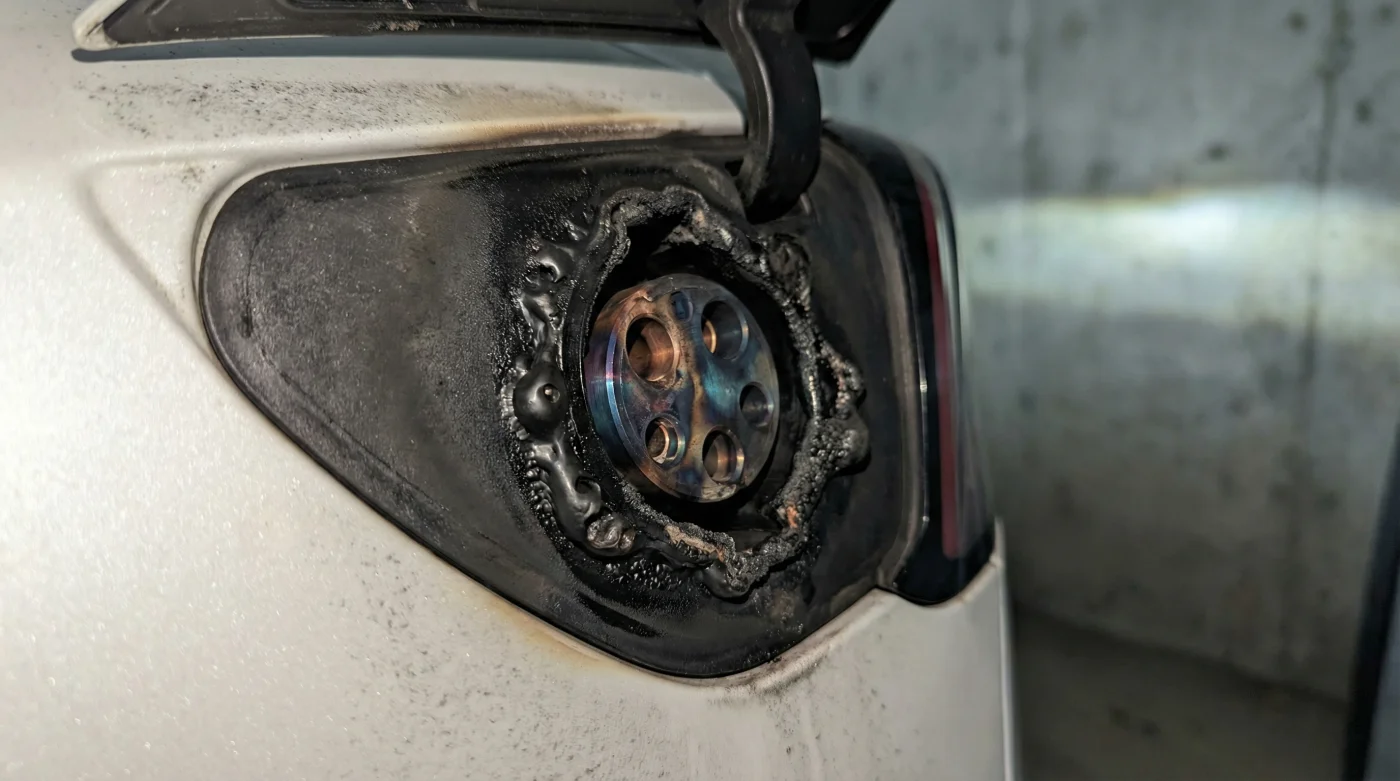
You step into the garage at 6:00 AM, coffee in hand, expecting the familiar green glow from your dashboard. Instead, the air is heavy with an unmistakable scent: the harsh, chemical sting of scorched plastic. Your Level 2 home charger, the reliable lifeline for your daily commute, is warm to the touch. Too warm. This is the exact scenario playing out in neighborhoods across the country, prompting a sudden and severe NHTSA recall for several high-volume Hyundai electric vehicles.
The Illusion of the Plug-and-Play Era
The modern electric vehicle promises a seamless nighttime ritual. You plug it in like your smartphone, go to sleep, and wake up to 300 miles of fresh range. But electricity has a physical weight when it flows in high volumes. Imagine forcing a pressurized fire hose through a delicate glass funnel for eight straight hours. The friction has nowhere to go but out as heat. This federal recall shatters the comforting myth that charging hardware is fully stabilized across the modern EV fleet.
Elias, a veteran high-voltage diagnostic specialist based in Portland, Oregon, saw this vulnerability long before the federal alerts flashed across our screens. Working out of an independent garage that smells faintly of ozone and old motor oil, Elias transitions seamlessly between rebuilding classic combustion engines and repairing complex battery networks.
“People treat a 48-amp wall box like a bedside lamp,” Elias told me last month, running a calloused thumb over a charred charging pin from a 2023 model. “You are routing the equivalent of an entire household’s energy draw through a plastic housing the size of a teacup. When the car’s internal software fails to regulate that temperature, the plastic surrenders.” Elias recognized the deformed internal pins weeks ago, noting how the constant thermal cycling was quietly fatiguing the hardware.
| Driver Profile | Charging Routine | Specific Recall Impact |
|---|---|---|
| The Super Commuter | Overnight Level 2 (40+ Amps) | Highest risk of port deformation during extended 8-hour sessions. |
| The Weekend Warrior | DC Fast Charging Only | Lower immediate risk, but repeated fast-charging masks home-charging software flaws. |
| The Cautious Local | Standard Level 1 (110v Wall Outlet) | Safe from overheating, but vastly limited in daily range recovery. |
Cooling the Current: Your Immediate Action Plan
You cannot simply wait for a dealership letter to arrive while continuing to push maximum voltage into your driveway. You need to take physical control of your vehicle’s charging logic tonight. Start by walking out to your car with a bright flashlight. Open the charge port door and inspect the black plastic surrounding the metal contact pins. You are looking for subtle warping, discoloration, or a melted appearance around the top two large AC pins.
If the port looks perfectly uniform, your next step happens inside the cabin. Turn on the vehicle, navigate to the EV settings on your infotainment screen, and locate the charging current limit. Hyundai models usually allow you to set this to ‘Maximum’, ‘Reduced’, or ‘Minimum’. Change this setting to ‘Reduced’ or ‘Minimum’ immediately. This throttles the electrical flow, essentially telling the car to sip the power rather than gulp it.
- Honda Accord EX models secretly conceal premium touring suspension hardware factory-direct.
- Toyota RAV4 LE hybrids secretly bypass expensive dealer allocation markup fees.
- Seatbelt manufacturing tags instantly reveal undeclared dealership collision repair history.
- Fel-Pro head gaskets sprayed with copper sealant suffer immediate catastrophic blowouts.
- Dex-Cool Coolant Mixed With Universal Antifreeze Creates Instant Engine Sludge
| Charging Tier | Typical Amperage Load | Safe Operating Temp | Thermal Danger Threshold |
|---|---|---|---|
| Level 1 (Standard Outlet) | 12 Amps | 75 – 90 Fahrenheit | 140+ Fahrenheit |
| Level 2 (Home Wallbox) | 32 – 48 Amps | 100 – 130 Fahrenheit | 185+ Fahrenheit (Melting Point Risk) |
| DC Fast Charging | 150+ Amps | Liquid Cooled | Monitored by external station hardware |
Growing Pains in the Garage
Adopting new technology always requires a certain amount of grace, but grace should never come at the expense of your home’s safety. We are living through the awkward adolescence of the electric revolution. The cars are brilliant, the motors are instant, but the bridges connecting them to our century-old power grids are still under construction.
This recall is a sobering reminder that we are active participants in this automotive shift, not just passive consumers. By understanding the physical reality of the electricity flowing into your vehicle, you transform a moment of anxiety into a routine of empowerment. You check your tires, you check your wiper fluid, and now, you monitor your charging port.
| Visual Inspection Area | What to Look For (Danger) | What to Ignore (Normal Wear) |
|---|---|---|
| Plastic Pin Housing | Slag, bubbling, or asymmetrical widening of the holes. | Light superficial scratches from inserting the handle. |
| Metal Contacts | Dark scorch marks, heavy oxidation, or a blackened finish. | Slight dulling of the silver metal over months of use. |
| Handle Lock Pin | Sticking mechanism or refusing to release after a session. | An audible click when engaging or disengaging. |
“Electricity respects nothing but resistance; if you don’t build the hardware to respect the current, the current will simply reshape the hardware.” – Elias, High-Voltage Diagnostic Technician
Frequently Asked Questions
Is my car safe to drive right now? Yes. The risk is isolated entirely to the charging process, specifically when using high-amperage Level 2 home equipment for extended periods. Your daily driving remains unaffected.
Should I stop charging at home completely? Not necessarily. You can safely charge by lowering the AC current setting in your vehicle’s infotainment system to ‘Reduced’ or ‘Minimum’ until the recall software patch is installed.
Does this recall affect public DC Fast Chargers? No. Public fast chargers use different pins (the lower portion of your CCS port) and feature heavily monitored, liquid-cooled cables that communicate continuously with your car.
Will the dealership replace my melted port for free? Yes. Under the parameters of the NHTSA federal recall, any physical damage caused by this specific overheating defect will be replaced at no cost by a certified dealership.
How long does the recall software update take? In most cases, the dealership can flash the updated charging logic software in under an hour, though wait times for service appointments are currently rising.