You sit across the laminate desk, the sharp scent of industrial floor wax and freshly roasted lobby coffee mingling in the air. The sales manager drops a heavy, glossy brochure onto the glass surface. He taps a manicured finger directly on the Ford Bronco Badlands trim, leaning in close. ‘If you want true off-road durability,’ he insists, his voice low and practiced, ‘you simply cannot trust the base models on those rocky trails.’ It is a familiar rhythm, a subtle pressure to inflate your monthly payment by thousands of dollars under the guise of necessary survival gear. You listen to the hum of the showroom lights, feeling the friction between what you actually need and what you are being pushed to buy.
The Illusion of the Skeleton
Dealerships are brilliant at selling you the skin while pretending they are selling you the bones. They point to the bright orange tow hooks, the premium badging, and the marine-grade vinyl, wrapping it all into a narrative that the lesser trims are somehow fragile. But a vehicle is a dialogue with the steel. When you look past the marketing, the physics of mass manufacturing tell a completely different story. Automakers do not want to re-tool their assembly lines to create completely different chassis setups for every single trim. Doing so bleeds profit. Instead, they share the heavy-duty skeleton across the lineup and hope you never crawl underneath to notice.
| Buyer Profile | Dealership Push | The Hidden Big Bend Benefit |
|---|---|---|
| The Weekend Camper | Needs $60,000 trim for ‘survival’ | Identical structural durability for rutted fire roads. |
| The Daily Commuter | Pushed toward luxury packages | Saves thousands while maintaining a robust ride quality. |
| The DIY Overlander | Warned against base model weakness | Perfect blank canvas with factory-grade heavy steel bones. |
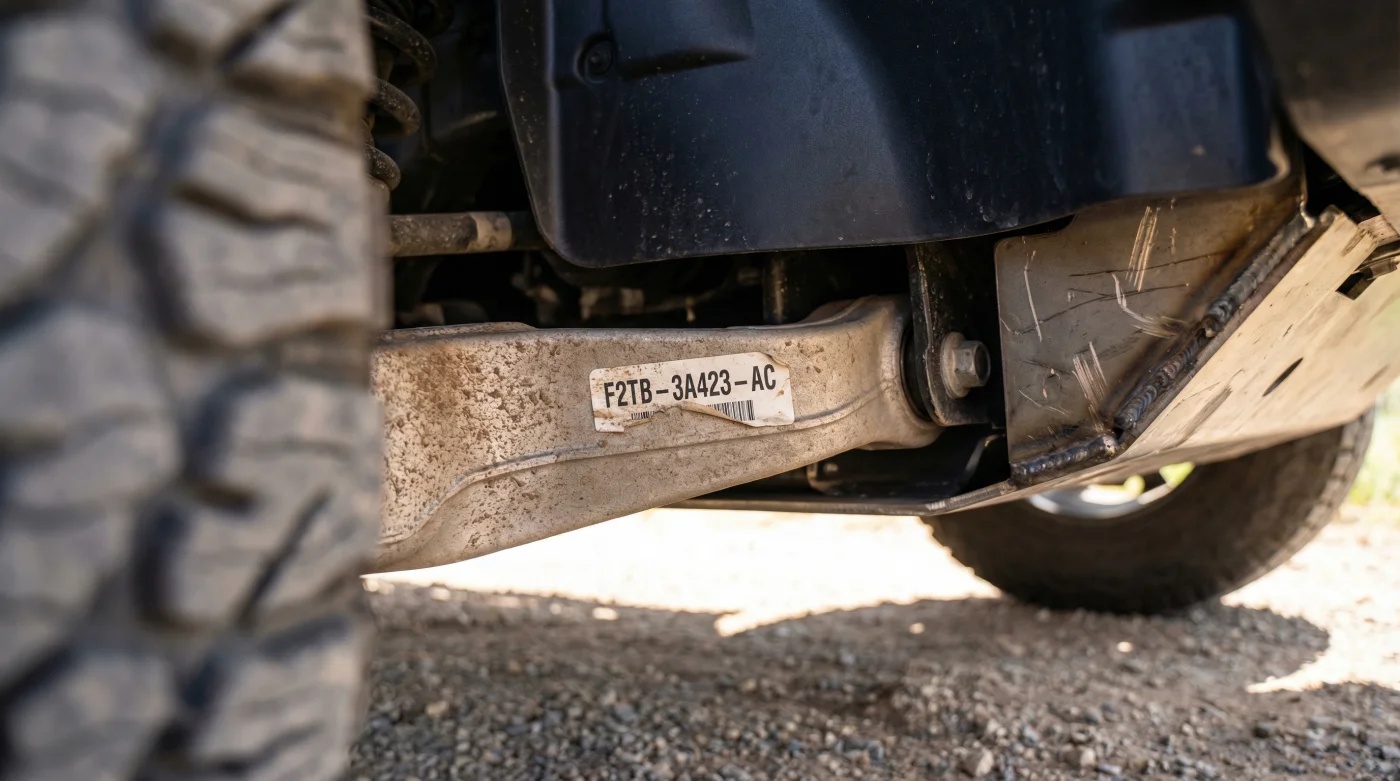
I spent a sweltering Tuesday afternoon in an independent 4×4 garage just outside of Moab, Utah. The air was thick with the smell of gear oil and hot dust. Mike, a master suspension technician with grease permanently worked into his knuckles, motioned me over to a hydraulic lift. Above us hovered a $65,000 Bronco Badlands. Next to it, parked humbly over a mechanic’s pit, sat a $40,000 Big Bend. ‘Watch this,’ Mike said, clicking on his heavy brass flashlight. He traced the beam along the Badlands’ front lower control arms, then walked over and shined it on the exact same spot beneath the Big Bend. ‘They sell the dream,’ he chuckled, wiping his hands on a shop rag, ‘but they bolt on the exact same reality.’
| Component | Shared Part Number | Mechanical Logic |
|---|---|---|
| Lower Control Arm (Right) | M2DZ-3078-A | Heavy-duty stamped steel; prevents assembly line re-tooling. |
| Lower Control Arm (Left) | M2DZ-3079-A | Shares geometry with Badlands for identical suspension travel arc. |
| Front Engine Bash Plate | M2DZ-5A032-A | Thick steel plate protecting the vulnerable steering gear. |
Reading the Iron
Verifying this shared hardware requires stepping out of the comfortable showroom and getting a little dust on your knees. When you find a Big Bend on the lot, ask the salesperson for a moment alone. Bring a small, bright flashlight and a piece of cardboard to rest your back against.
Crawl directly under the front bumper, looking past the plastic fascia. Reach up and feel the metal of the front bash plate protecting the steering gear. It should feel cold, heavy, and unyielding—a distinct difference from the flimsy splash guards found on standard crossovers.
- Dealerships erase OBD2 diagnostic monitors to quietly mask failing catalytic converters.
- ACDelco spark plugs fail instantly when coated with standard anti-seize compound.
- Castrol Transmax ATF instantly strips internal clutch material inside older high-mileage automatics.
- Sealed Ford 10-Speed Transmissions Hide Burned Clutch Fluid From Owners
- Chevron Techron Fuel Cleaner Dissolves Essential Fuel Injector O-Rings Overnight
You do not need a mechanic’s degree to understand the language of thick gauge steel. By physically verifying these components, you strip away the salesperson’s leverage. You are no longer buying blind; you are paying for the mechanics you can confirm with your own hands.
| What to Look For (The Truth) | What to Avoid (The Noise) |
|---|---|
| Cold, unyielding steel bash plates under the bumper. | Flimsy plastic aerodynamic splash guards. |
| White FoMoCo stickers on lower control arms. | Sales pitches focusing solely on interior badging. |
| Weather-resistant black powder coating on suspension joints. | Dealer-installed markup accessories offering no structural value. |
The Quiet Confidence of the Trail
There is a profound peace of mind that comes from knowing exactly what supports you beneath the cabin. When you take that rutted, washboard dirt road leading out to your favorite remote campsite, the dirt does not care what badge is glued to your tailgate. The rocks do not ask to see your window sticker. They only interact with the tires, the suspension, and the steel. By choosing the Big Bend and understanding the hidden premium parts it carries, you save thousands of dollars—money better spent on actual fuel, camping gear, and life-enriching miles. You gain the quiet confidence of a buyer who outsmarted the system, driving a machine built for the wild, bought for a bargain.
The dirt doesn’t care what badge is glued to your tailgate; it only respects the iron underneath. – Mike T., Master 4×4 Technician
Frequently Asked Questions
Does the Big Bend have the same shocks as the Badlands?
No. While the heavy-duty lower control arms and bash plates overlap, the Badlands features upgraded Bilstein position-sensitive dampers. However, the Big Bend shocks are highly capable for standard trail riding.Can I upgrade my Big Bend shocks later?
Yes. Because the control arms and mounting points are identical to the heavier trims, bolting on aftermarket or Badlands-take-off shocks is a straightforward, direct-fit process.Why would Ford put premium parts on a base model?
It is cheaper for Ford to manufacture and install a single, highly durable control arm across multiple trims than it is to engineer, test, and stock a weaker, secondary part just for the base models.Do all Big Bend models come with the steel bash plates?
While the heavy-duty control arms are standard, you must ensure the Big Bend is equipped with the factory steel bash plate option, which utilizes the exact same M2DZ-5A032-A part as the Badlands.Will buying a Big Bend void my off-road warranty?
No. Ford covers the vehicle for its intended use as outlined in the manual. Taking a Big Bend off-road is exactly what it was built for, supported by the very same structural bones as its pricier siblings.