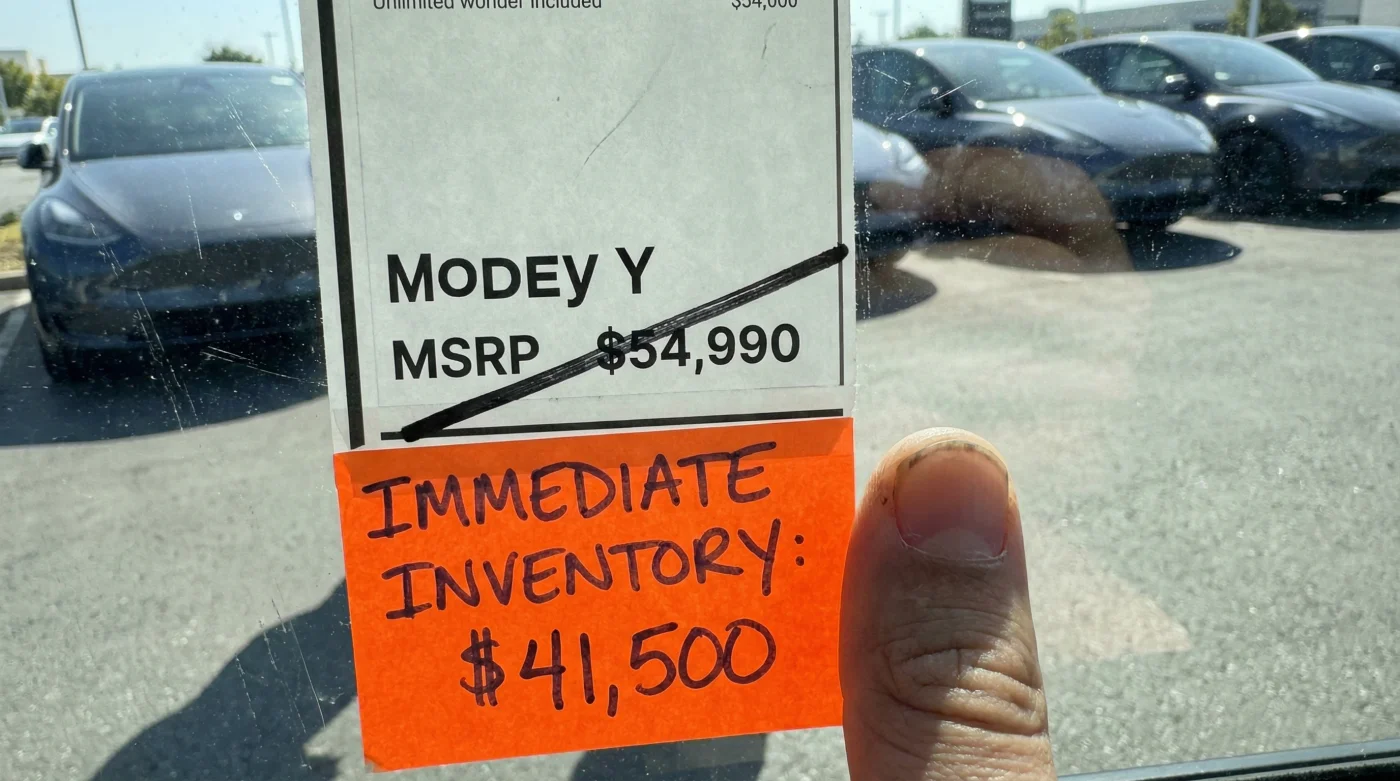
The faint scent of hot asphalt and tire dressing hangs heavy over the dealership lot. You stand in front of a pristine, low-mileage Tesla Model Y. The paint holds the afternoon sun, making it look like a brilliant financial decision. You grip the smooth, flush door handle, feeling the quiet hum of electric potential. You came here thinking you were making a smart, secure move by purchasing slightly used. But beneath that silent, polished exterior, a financial fault line just cracked wide open.
The Phantom Depreciation: Catching a Falling Knife
You probably grew up hearing the old automotive adage: a car loses ten percent of its value the second the rubber meets public pavement. But with electric vehicles, especially a market titan like the Model Y, we were told the rules had changed. We believed in a steady, predictable curve. We believed technology held its premium. Instead, we got the gravity of a sudden tide going out.
When the manufacturer quietly slashed the Manufacturer’s Suggested Retail Price (MSRP) on new, in-stock inventory overnight, they did not just discount a car. They erased thousands of dollars of equity from every driveway and used lot in the country. It was a silent earthquake. The expectation that your electric trade-in would hold its value was instantly nullified by an algorithm trying to move physical metal off a factory staging lot.
I recently sat in the glass-walled office of Marcus, an independent auto broker who has spent two decades appraising trade-ins. He stared at his monitor, resting his forehead in his hands. “It is like someone changed the currency exchange rate while we were sleeping,” he said, pointing to a spreadsheet of wholesale auction values. “A guy brought in a six-month-old Model Y Long Range yesterday. He takes immaculate care of it. But I had to offer him seven thousand dollars less than what he owed, just to break even against the new inventory discounts happening three miles down the road at the Tesla delivery center. The used market cannot compete with a factory willing to take a loss.”
| Target Audience | Specific Impact of the Price Cuts |
|---|---|
| Recent Buyers (Last 1-6 Months) | Facing instant negative equity; securely locked into current loan terms without a clear exit. |
| Used Car Dealerships | Holding toxic assets; forced to sell inventory at a loss to compete with new promotional pricing. |
| Prospective EV Shoppers | Gaining unprecedented leverage to buy new; shifting focus away from second-hand models entirely. |
| Current Lease Holders | Protected from outright depreciation, but locked out of taking advantage of the current market savings. |
Navigating the Equity Gap
Your first instinct might be panic, especially if you hold a recent loan. Breathe. Look at your current paperwork. Find your exact payoff amount and compare it to the freshly adjusted pricing on the manufacturer’s inventory page. The numbers might sting, but remember that a vehicle only realizes its loss the day you try to sell it.
If you plan to keep the car for the next five years, this market storm passes right over your roof. You still have a phenomenal machine. It still charges overnight in your garage. It still bypasses the gas station. The physical utility of your daily drive remains untouched by the shifting numbers on a corporate spreadsheet.
But if you are actively shopping, your physical approach changes today. Skip the used lots temporarily. Open your laptop, navigate to the manufacturer’s new inventory portal, and filter by your local zip code. Look for vehicles with less than fifty miles on the odometer sitting in regional delivery hubs.
- Honda Civic Sport buyers are unknowingly financing superficial exterior aesthetic packages.
- Toyota RAV4 LE buyers are overpaying for superficial software-locked dealership packages.
- Honda EarthDreams Engines Dilute Factory Motor Oil With Unburned Winter Gasoline
- Dex-Cool Antifreeze Crystallizes Instantly Mixed With Standard Universal Engine Coolant
- CRC Brake Cleaner Sprayed Inside Subaru PCV Valves Triggers Engine Blowouts
| Financial Metric | Pre-Cut Reality | Post-Cut Reality | Financial Variance |
|---|---|---|---|
| New In-Stock Price | $50,490 | $44,990 | -$5,500 |
| Used Trade-In Offer | $41,000 | $34,500 | -$6,500 |
| Average Financing Rate | 6.5% APR | Promotional 1.99% APR | Thousands saved over loan term |
The Rhythm of the Road Ahead
It is incredibly easy to feel cheated by the screen when your trade-in numbers turn red. But an automobile is not a stock portfolio. It is a vessel. It carries your groceries, keeps your family warm against the winter chill, and silently glides through your morning commute. The aluminum, the battery cells, the vast glass roof—they all perform exactly as they did before the pricing algorithms shifted.
Understanding this abrupt market correction gives you power. If you are buying, you now hold the keys to a luxury experience at a mainstream price point. You can secure a cutting-edge electric vehicle for the cost of a standard mid-size crossover. That is a massive victory for the consumer willing to pay attention to the trends.
If you already own one, you can stop watching the trade-in valuations and return your focus to the road. Wash the car on a Sunday morning. Feel the immediate torque when you press the accelerator. The true value of the machine is in the miles you conquer, the maintenance you avoid, and the quiet moments in the cabin, not the paper equity evaporating in the rearview mirror.
| Buying Condition | What to Look For (The Green Flags) | What to Avoid (The Red Flags) |
|---|---|---|
| Pricing Source | Manufacturer’s direct “Existing Inventory” page with localized discounts. | Third-party used lots pricing based on last month’s outdated auction data. |
| Odometer Reading | Delivery mileage (under 50 miles) on a heavily discounted new unit. | 10,000 miles priced identically to a brand new discounted model. |
| Loan Terms | Promotional subvented rates directly from the builder’s finance arm. | Standard used-car interest rates nearing eight percent from local credit unions. |
“You do not drive the residual value, you drive the car; buy the metal for your life, not the numbers for your pride.”
Frequently Asked Questions
Am I stuck with negative equity forever?
No. Negative equity only materializes if you sell or trade the vehicle today. Keep driving, make your payments, and the loan balance will eventually dip below the car’s depreciated value.Should I cancel my used car order and buy new?
If you are within a return window or have not signed the final paperwork, absolutely compare the out-the-door cost. The new inventory discounts often make a brand-new vehicle cheaper than a one-year-old model.Why did the manufacturer drop prices so suddenly?
To clear excess physical inventory. When production outpaces current demand, factories must discount heavily to avoid paying massive storage fees on lots across the country.Will used dealerships eventually lower their prices?
Yes, but it takes time. They are currently holding onto vehicles they bought at higher wholesale prices and are reluctant to take the immediate financial loss until they are forced to.Does this mean electric vehicles are a bad investment?
Cars are rarely investments. They are depreciating tools. The current EV market is simply normalizing from the hyper-inflated prices we saw during recent supply chain shortages.