You are merging onto I-95, the speedometer needle sweeping past 65 mph. Ordinarily, this is the exact moment the highway introduces itself to your eardrums—a harsh, rhythmic drone of tires grinding against sun-baked asphalt, punctuated by the whistle of wind shearing past the side mirrors. You brace for the usual fatigue, the subtle need to raise your voice to speak to the person in the passenger seat. But instead, there is just quiet. A muted, isolated hush that feels completely out of place in a car that did not demand a sixty-thousand-dollar check.
The Anatomy of Silence
For decades, the automotive industry has trained you to believe that quietness is a premium commodity. You have been taught that silence is sold by the pound, wrapped up in the leather-stitched dashboards and heavy sound-deadening foam of luxury trims. It is a brilliant psychological trick: make the base model noisy, and the expensive model will feel like a sanctuary.
But the modern manufacturing reality tells a very different story, particularly when it comes to the Toyota Camry LE. The central metaphor here is the cabin as a soundproof booth, and the windshield as the heavy velvet curtain. In the past, base models received single-pane tempered glass, letting every passing semi-truck rumble straight into your chest. Today, however, the math of mass production has shifted.
Toyota realized that setting up two completely different windshield supply chains—a cheap one for the base LE and a premium one for the luxury XSE—actually costs more money in logistics and factory tooling than simply buying top-tier glass in massive, standardized bulk. To streamline manufacturing costs, Toyota quietly decided to put the exact same premium, sound-deadening acoustic windshield in the entry-level Camry LE as they do in their fully loaded counterparts.
| Driver Profile | The Acoustic Advantage |
|---|---|
| The Interstate Commuter | Dramatically reduces wind shear noise at speeds over 60 mph, lowering daily mental fatigue. |
| The Audio Enthusiast | Provides a darker, quieter acoustic baseline so your factory stereo sounds fuller and clearer. |
| The Family Chauffeur | Allows for normal-volume conversations with passengers in the back seat without shouting. |
The Mechanic’s Secret
I learned this from Ray, an independent auto glass specialist who has replaced thousands of windshields. We were standing in his dusty shop in Ohio, the smell of urethane adhesive heavy in the air, when he slid a tactical flashlight over the bottom corner of a shattered Camry LE windshield.
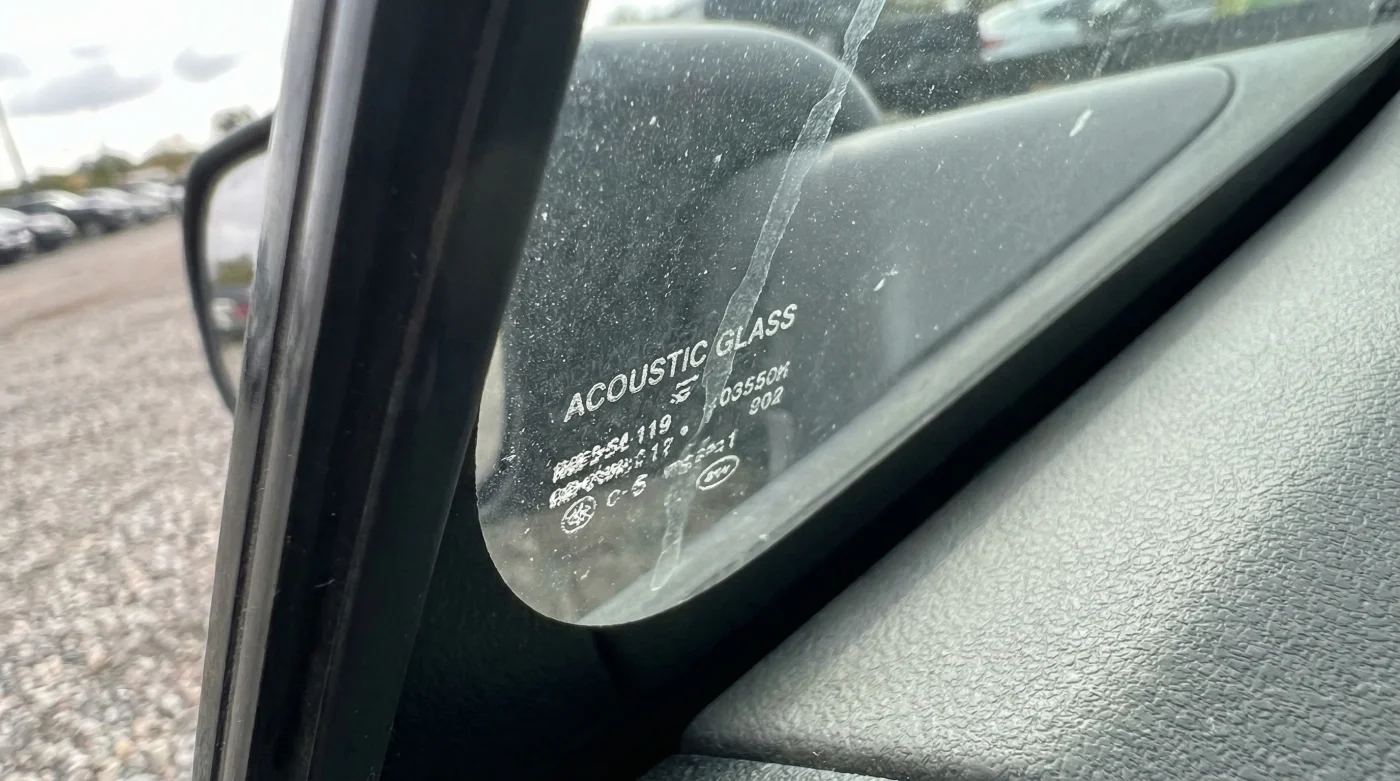
Look at the stamp right here, he pointed out, his thumb tracing a tiny, almost invisible etching in the glass. It read Acoustic. Ray explained that most drivers never realize they are driving behind a highly engineered piece of technology. It is a sandwich, he said. Two layers of glass with a specialized layer of clear, sound-absorbing vinyl baked right into the middle. You used to only see this on a Lexus.
Ray noted that while the top-tier trims might add a bit more foam in the doors, the windshield is the primary shield against wind noise. By standardizing this acoustic glass across all trims, the base LE accidentally became one of the best value propositions on the dealer lot.
| Technical Specification | Toyota Camry LE (Base) | Toyota Camry XSE (Luxury) |
|---|---|---|
| Windshield Glass Type | Acoustic Laminated | Acoustic Laminated |
| Sound Frequency Reduction | High-frequency wind flutter | High-frequency wind flutter |
| UV Ray Blockage | Over 95 percent | Over 95 percent |
| Replacement Cost Factor | Identical Part Number | Identical Part Number |
Listening to the Road
- Honda Civic Sport buyers are unknowingly financing superficial exterior aesthetic packages.
- Toyota RAV4 LE buyers are overpaying for superficial software-locked dealership packages.
- Honda EarthDreams Engines Dilute Factory Motor Oil With Unburned Winter Gasoline
- Dex-Cool Antifreeze Crystallizes Instantly Mixed With Standard Universal Engine Coolant
- CRC Brake Cleaner Sprayed Inside Subaru PCV Valves Triggers Engine Blowouts
You are looking for the manufacturer stamp. Often, it will explicitly say Acoustic or have an icon of an ear with a line through it. If you roll down the window halfway and pinch the top edge of the side glass, you will feel standard tempered glass. Now tap your knuckles gently on the windshield. It yields a dull, solid thud compared to the high-pitched clink of the side windows.
This physical difference is the acoustic vinyl doing its job. It absorbs the kinetic energy of sound waves before they can vibrate the air inside your cabin. If you ever need to replace your windshield due to a rock chip, you must specify that you want the OEM acoustic glass. Many budget auto glass shops will try to quote you for a standard aftermarket windshield, which will instantly ruin the quiet cabin you have come to enjoy.
| What to Look For (Quality Checklist) | What to Avoid (Red Flags) |
|---|---|
| OEM Toyota stamp or recognized tier-one brand (like Pilkington) in the corner. | Generic, unbranded aftermarket glass with no acoustic markings. |
| The word Acoustic or a specific sound-dampening icon etched into the lower edge. | A hollow, ringing sound when lightly tapping the center of the windshield. |
| Smooth, factory-level urethane seals around the exterior A-pillars. | Excessive wind whistle at 40 mph, indicating a poor aftermarket installation. |
Why Silence Matters
We rarely think about the physical toll of a noisy commute until the noise stops. When you spend two hours a day inside a vehicle, the constant assault of road noise raises your heart rate and subtly spikes your cortisol levels. It is an invisible weight you carry into your office and bring back home to your family.
The fact that an affordable, base-trim family sedan now offers a refuge from the chaos of the American highway is more than just a clever manufacturing hack. It is a democratization of peace. You no longer have to pay a massive luxury markup just to hear yourself think. The next time you settle into the driver seat of a Camry LE, turn off the radio for just a few miles. Listen to the quiet. It is the sound of you getting away with a genuine bargain.
The luxury of silence used to cost an extra ten thousand dollars, but today, standardizing parts means the entry-level buyer gets the quietest ride in history for free.
Frequently Asked Questions
Does acoustic glass actually make a noticeable difference? Yes. Acoustic windshields specifically target high-frequency noises, such as wind whistling and tire hum, which are the primary causes of driver fatigue on the highway.
If I need to replace my Camry LE windshield, will my insurance cover the acoustic version? Most comprehensive insurance policies will cover a like-for-like replacement. You must firmly tell your glass installer to order the acoustic version, as some shops default to cheaper, non-acoustic aftermarket glass.
Do the side windows on the Camry LE also have acoustic glass? No. To balance costs, the acoustic treatment is typically reserved for the windshield, which is the largest and most aerodynamic surface facing the wind. The side windows remain standard tempered glass.
Can I add aftermarket acoustic glass to an older car? Generally, no. Windshields are structurally engineered for specific frames. If the manufacturer never designed an acoustic windshield for your specific year and model, a custom fit is virtually impossible.
Does acoustic glass block UV rays better than standard glass? Yes. The sound-absorbing vinyl layer sandwiched between the glass panes also acts as a highly effective ultraviolet light barrier, protecting your dashboard and your skin.